
Director Elyse Bell found collaborators for her documentary, Second Skin, by texting her Warhol Academy fellowship friends, Camila Casas and Sarah Gabany, to see if they had a tripod she could borrow. They did, but they were also game to take a more hands-on role in this project about local clothier LAZYCOUP, aka Hardwired Hunter. Casas would join the project as producer, cinematographer, and colorist, while Gabany would take on producer, cinematographer, and editor roles.
“I like working with friends because you get to work, but you also have fun and create something incredible at the same time,” says Gabany. “We're doing everything we're passionate about with people we care about.”
“I honestly prefer to work with friends because it's so much more comfortable,” adds Bell. “The relationship dynamics are so easygoing and we can be candid with one another. It's easier to meet up, and we feel comfortable going to each other's apartments. Then the wrap parties, having fun afterward, it kind of just all flows together.”
Bell came across Hunter accidentally. As an avid lover of vintage fashion, she saw Hunter’s work at a pop-up vintage vendor event happening in the South Side. This wasn’t the first time she’d seen his work, but she made a purchase that day that entered her into the sweatshirt raffle that would get the ball rolling for this documentary.
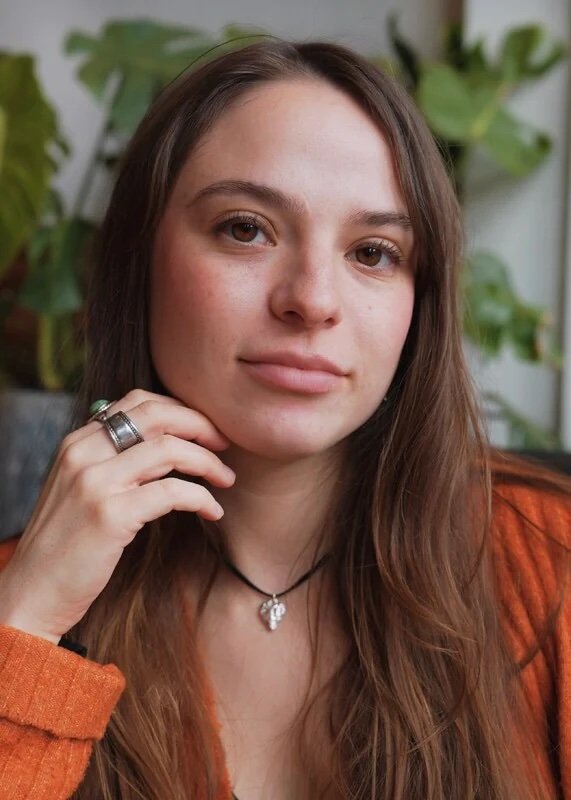
Elyse Bell, Courtesy of Elyse Bell
“I never win anything,” laughs Bell. “Later that night, when I got a text saying I won, I was shocked. I went out to Etna, to Hunter’s studio to pick it up. He was like, oh, do you want to come inside and check it out?”
“I was blown away,” continues Bell. “You walk in and the whole thing just screams Hunter. It's clothing, knickknacks, photographs, and bins and bins and bins of more clothes. He got to talking about how this started and I was so touched by his story. I was like, do you want to collaborate?”
Bell would meet with Hunter one more time after that initial trip to the studio, but then the need for a tripod arose. Enter: Gabany and Casas. Proof that Pittsburgh is a small big city, both Casas and Gabany had met Hunter before in passing. Both saw that same spark in Hunter’s eye, his passion for his art, and his love for Pittsburgh.
Second Skin is guided by a voiceover from Hunter, but there is no talking head interview. Instead, the film cuts between Hunter at work (drawing, brainstorming, sewing) and at selling his clothes at an event similar to the one where Bell met him. The trio believes this set-up helped Hunter feel more at ease in front of the camera.
“There’s a rough, unpolished vibe to Hunter, so we didn't want the corporate feel in our film. When you don't have the camera staring you right in the face, it's a little easier. Hunter's a natural when it comes to all things creative, so I think this was just another format for him to express himself.”
“This film was born from a conversation we had with him,” says Casas. “We got to know him more, got to know his passion for clothing and the science of screen printing. That's how it all was born.”
“In the editing process, we were able to build a story around that conversation. We edited the audio first, built the story around that audio, and then we did visuals last,” adds Gabany.
Second Skin had three days of production. One was of footage at Hunter’s studio, another was at a market in the Strip District, and the last was in Frick Park. Hunter relates that his passion for remixing and redesigning clothing came from making a blanket of his late grandfather’s shirts for his grandmother. He then expanded into screen printing and vintage selling from a donation of old clothes found in a barn. The Second Skin team couldn’t shoot at the actual barn, so they faked it in Frick Park.
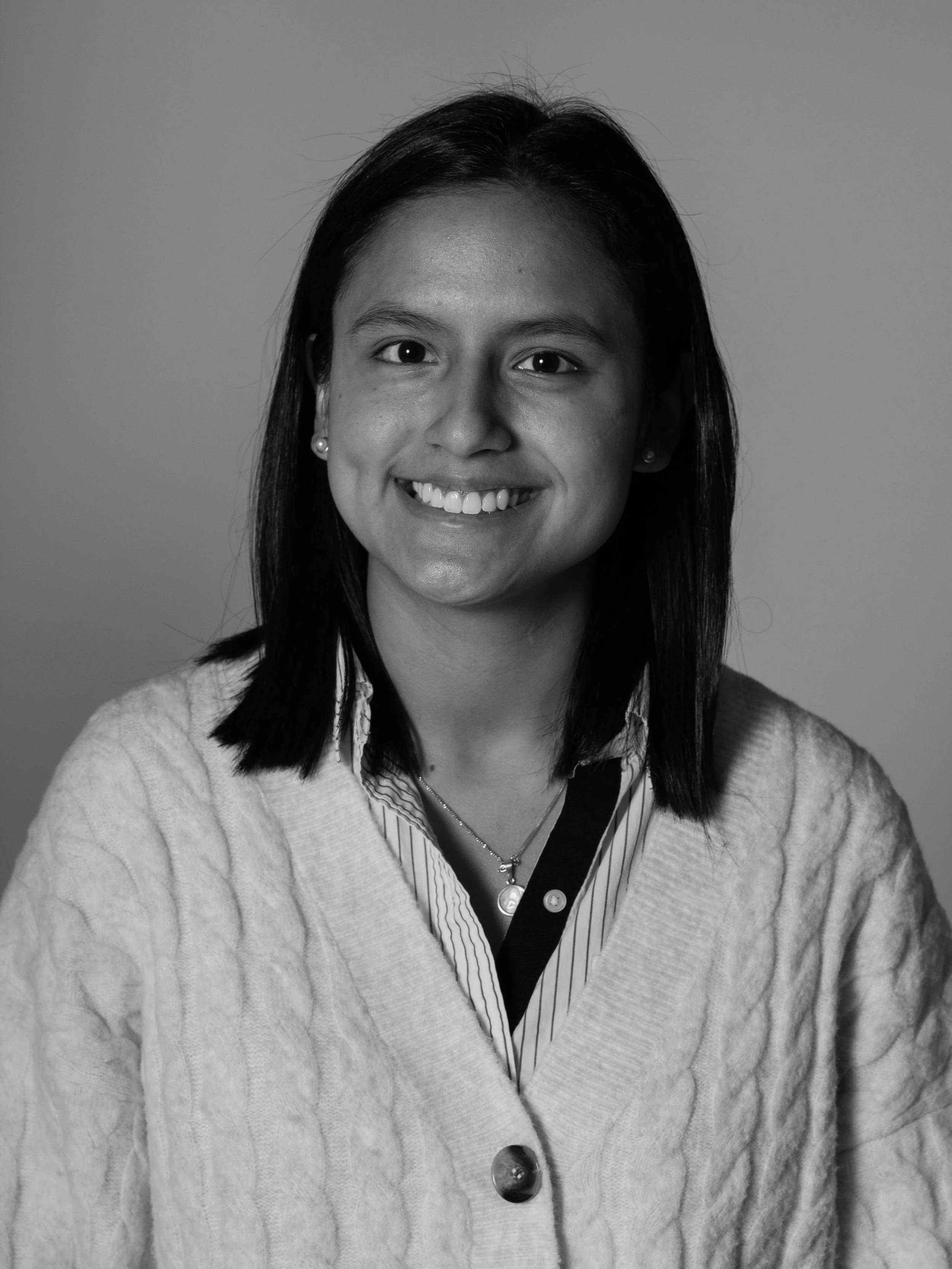
Camila Casas, Courtesy of Camila Casas
One of Hunter’s firm beliefs is that clothes had a life before him and that they will live a long life after him. It’s something that feels almost spiritual to him, and the principle carries over to the art of filmmaking. You spend months, even years, putting together a film, and then it goes out into the world for others to interpret as they please. A life beyond its initial reach.
“My focus on filmmaking is mostly working with other visual artists, either painters or, like Hunter, designers,” explains Casas. “When I'm trying to share the story of another artist, I love how the art I'm making blends with their style and with everybody's style on set too. It makes this beautiful piece that is now the final film.”
“A thing I related to was when Hunter was talking about the energy of each piece,” says Gabany. “He says it was actually a 30-year project instead of a six-month one.”
“I feel like that's kind of similar to this film, because going back to the tripod Elyse asked for, that was my uncle’s,” continues Gabany. “He was a local filmmaker, and when he passed away, I got a lot of equipment. We used the tripod he used. As filmmakers, as artists, we're always getting tidbits from filmmakers we worked with in the past. Our film is a combination of all those past filmmakers. Everybody on set contributed. It was beautiful that everyone put their energy into this film.”
Gabany’s uncle is Don, a man whose reach in the Pittsburgh filmmaking scene is immeasurable. Gabany mentions that she’s worked on sets with strangers who knew her uncle, and had teachers at Robert Morris University who took classes from Don. He was funny, hardworking, and deeply knowledgeable about filmmaking.
“I inherited all his gear. Some of the gear we used on Second Skin was his,” recalls Gabany. “I think about him every time I'm making something. This was his c-stand, this was his tripod. Similar to Hunter, I sense that long legacy of energy with each project I make, if that makes sense.”
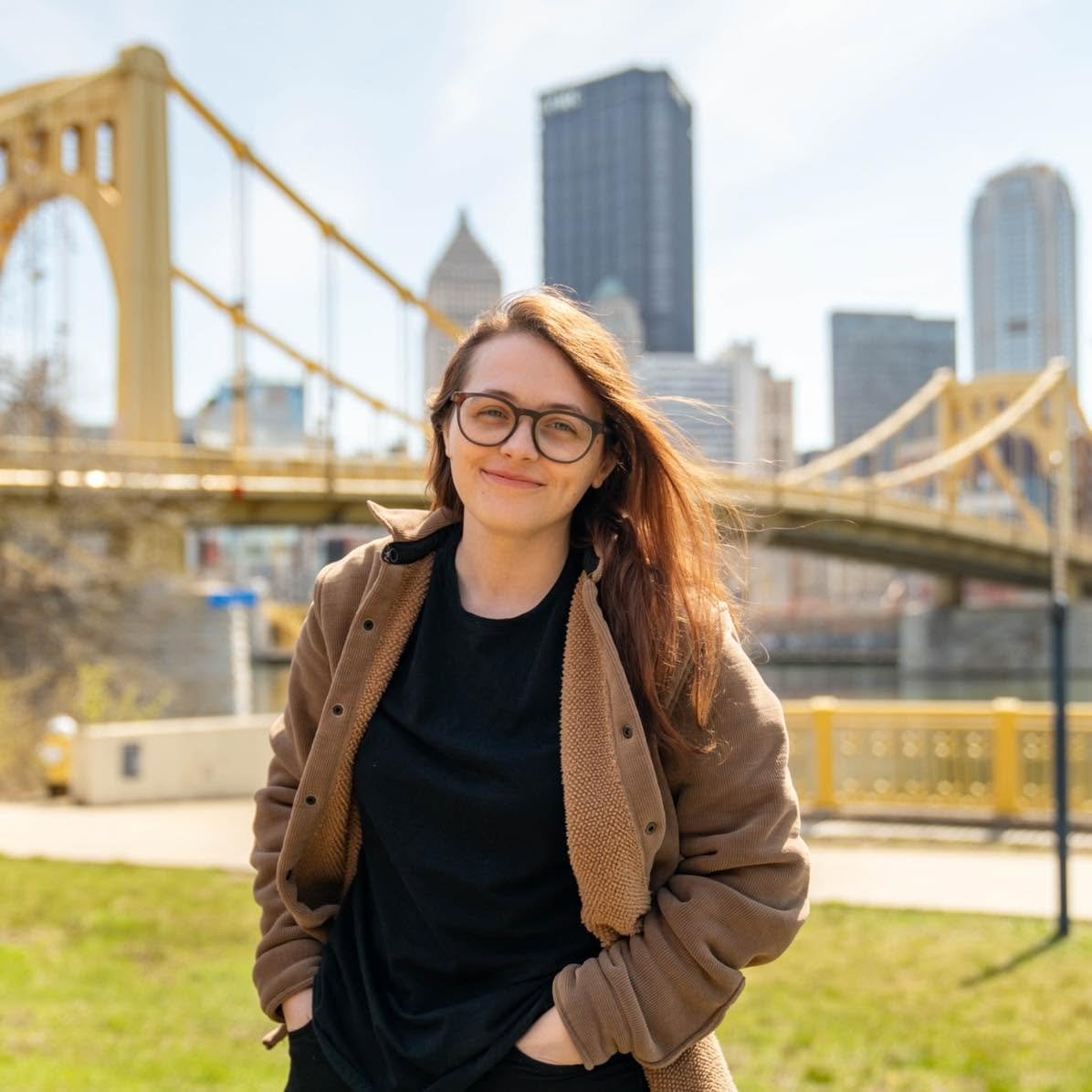
Sarah Gabany, Courtesy of Sarah Gabany
In the documentary, the camera lingers on a handwritten quote on one of the shelves in Hunter’s studio. It reads “Never let anyone tell you how to feel about your own art.” For any artist, there are some nerves surrounding sharing their work with others. People can be mean and cruel, but Hunter has an incredible mindset about others’ interpretations of his art. He doesn’t mind when people don’t get his clothes, because he knows someone else will. Someone will see his vision, his work, and be excited to take it home. It’s a perspective shift that made an impact on Bell, Casas, and Gabany.
“In talking with Hunter and making this project, I realized that if you're doing what you love, you're doing enough,” Gabany says.
“I personally love experimental filmmaking,” says Casas. “One of my favorite filmmakers is Andrei Tarkovsky, and his films are not for everybody. I got into filmmaking because I wanted to help people understand their emotions and their time in the world. That's what Tarkovsky's filmmaking made me feel, and that's why I wanted to make films.”
“Another quote that is written in his studio is ‘Time passes anyway,’” recalls Bell. “He's full of great quotes. This guy's got everything. He's just so confident in himself and it really inspired me that he doesn't care if people don't get it. He honestly likes when people don't get it because he knows that what he's doing is unique.”
“I asked him how to describe his style when we met him for the audio recording and he said, I've never really thought about that, it's kind of just me,” says Bell. “You’re just you and I'm just me. We can all be our own worst critic. With filmmaking, there's always like, it could have used this shot or maybe more tweaking in the edit. At some point, you have to take a step back and say it's done.”
“I'm really proud of it because I always get nervous sharing my films with other people,” Bell adds. “This is my first time being in a film festival. It's a little nerve-wracking for me, but I know we did something really amazing, and I'm proud of us. I know Hunter is really proud of us, too. Time will pass anyway, so make sure you're doing stuff you love.”
Follow me on BlueSky, Instagram, Letterboxd, TikTok, YouTube, & Facebook. Check out Movies with My Dad, a podcast recorded on the car ride home from the movies.
Support your local film critic!
~
Support your local film critic! ~
Beyond the Cinerama Dome is run by one perpetually tired film critic
and her anxious emotional support chihuahua named Frankie.
Your kind donation means Frankie doesn’t need to get a job…yet.