
“Baby Doe” Asks How We Got Here
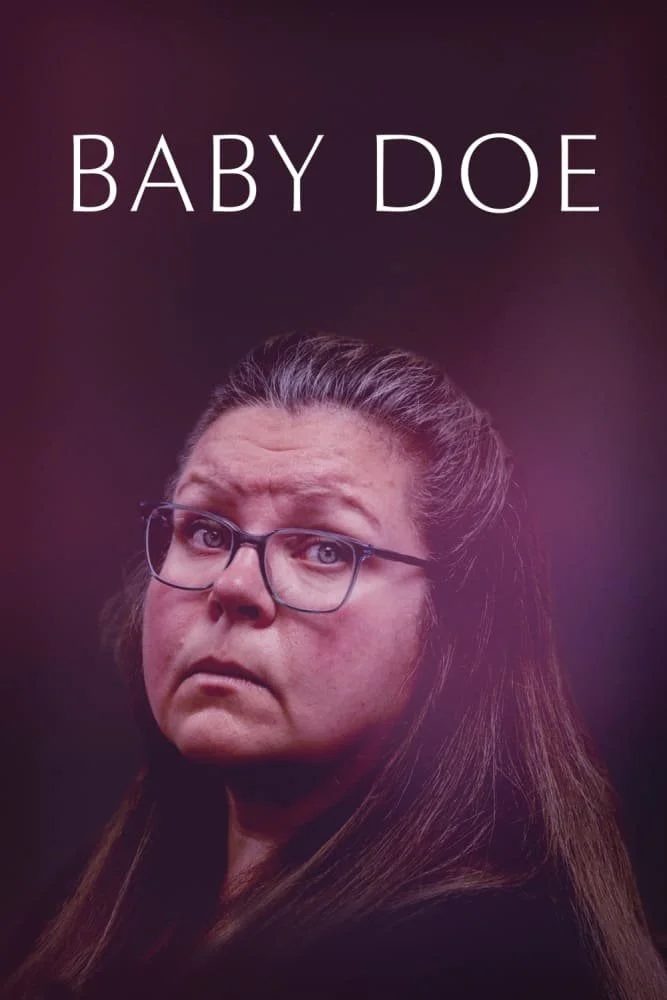
Courtesy of Baby Does
When Jessica Earnshaw premiered her documentary Baby Doe at the 2025 SXSW Film & TV Festival, she couldn’t have predicted that it would be arriving to VOD services in the wake of the Lindsay Clancy case. The two cases have different circumstances, but both are stories about women’s healthcare, its shortcomings, and the larger societal forces that shape the widespread and varied reactions to these women. Baby Doe is part of a larger story than the one it captures, but Earnshaw focuses her lens on the human at the center.
Thirty years ago, Gail Ritchey gave birth to a child alone and left the newborn baby in the woods. The body was discovered, but police couldn’t make much headway in terms of whose baby it was. In the years after, Gail became the proud, happy mother of three and recently became a grandmother. Her peace is shattered when DNA evidence links her to the child found in the woods. Gail is arrested, despite her insistence that the baby was stillborn, and now faces a life sentence.
On paper, Gail’s actions could be seen as cruel, but life is never as simple or clear-cut as we want it to be. Gail was raised in a deeply conservative Christian community where sex before marriage was considered one of the cardinal sins. So why did Gail have sex with her long-term high school sweetheart if it had such a negative connotation for her life? Much of Baby Doe is about thoughtfully asking “why” rather than being immensely quick to judge. Gail explains that she felt it was expected of her by her boyfriend. When a woman is raised in a religious community that’s based on a patriarchal structure, she often feels backed into a corner. How do you reckon with disobeying the larger teachings in order to uphold one of the key tenets of cherishing your husband? Gail was a teenager when she was trying to juggle all of these different, conflicting pieces of information. When one grows up in a shame-based purity culture, who is there to reach out to?
“You did a horrible thing. You got pregnant and didn’t tell us,” says one of the fathers featured in Baby Doe. Gail, and others in the film, experienced what’s known as a “denied pregnancy.” The National Library of Medicine describes it as a “pathological issue” where a woman suffering from trauma, a deep-rooted desire to not be pregnant, and/or a psychiatric condition, essentially wills her brain to believe she isn’t pregnant. Of course, men throughout the film are aghast that a woman could not know she was carrying a child. They’re purporting to be such beacons of healthcare and support for women, yet they don’t even consider that a mental break that can lead women down this path.
Earnshaw told Jezebel that one of the reasons Gail agreed to be the subject of this film was because of Emily Weaver, a college student who gave birth to a child in a sorority house and was sentenced to life in prison for abandoning the baby. She told Earnshaw that she would “do this for Emily.” Gail and Emily are not the only women who have experienced denied pregnancy, and it’s likely more widespread than people realize. What Baby Doe asks, and what the larger society should be asking, is how have we gotten to a place in the American healthcare system where a woman feels like she has no options when she finds herself pregnant. Baby Doe is gentle, yet inquisitive. It’s a film that doesn’t lean into the salacious nature of many current true-crime “documentaries.” Earnshaw has made something painful and urgent with Baby Doe, something that should encourage meaningful change to the healthcare system of our contemporary society.

Follow me on BlueSky, Instagram, Letterboxd, TikTok, YouTube, & Facebook. Check out Movies with My Dad, a podcast recorded on the car ride home from the movies.
support your local film critic!
~
support your local film critic! ~
Beyond the Cinerama Dome is run by one perpetually tired film critic
and her anxious emotional support chihuahua named Frankie.
Your kind donation means Frankie doesn’t need to get a job…yet.