
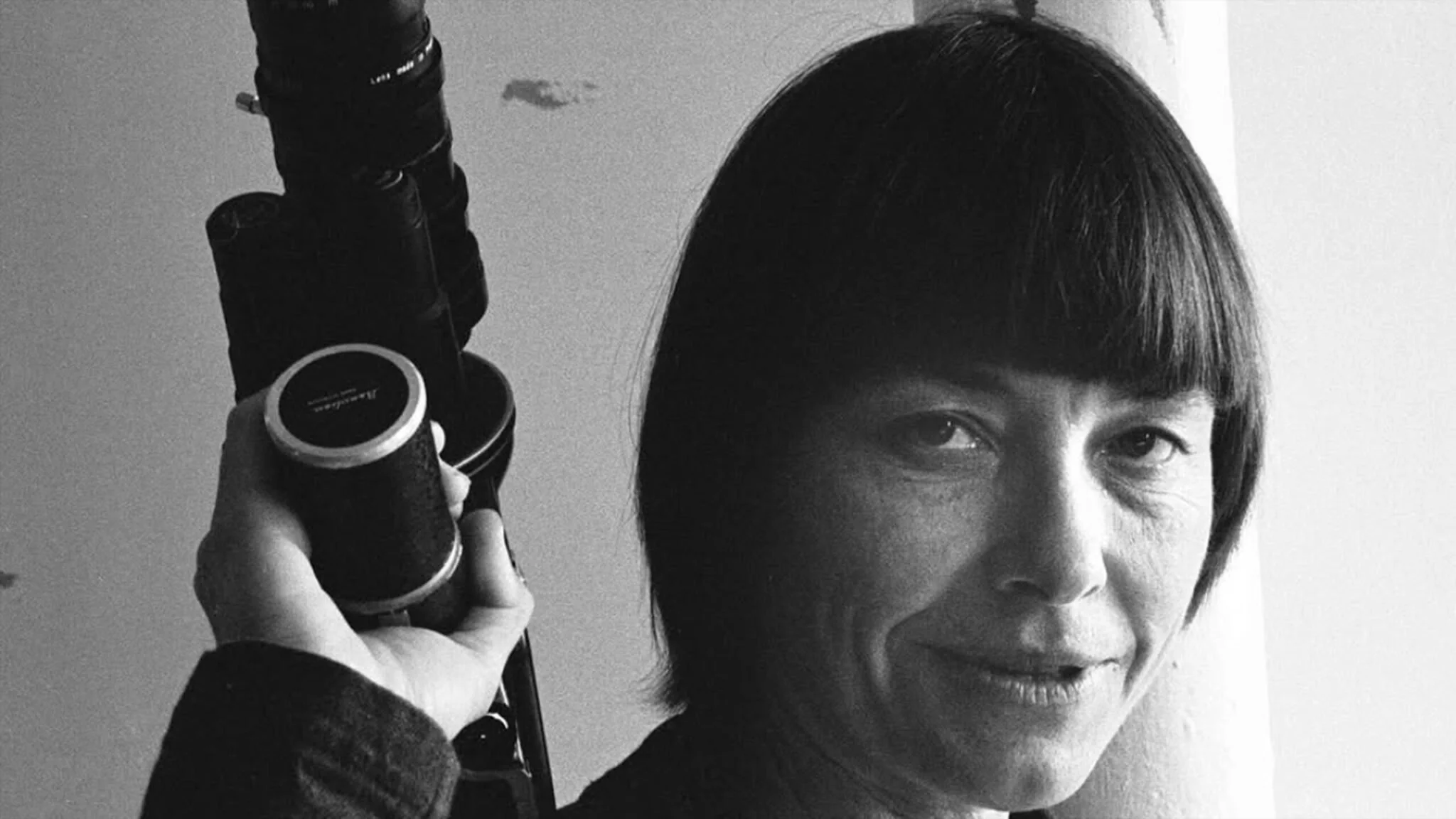
“My life has been lived on film,” Barbara Hammer utters to the camera in the beginning minutes of Brydie O’Connor’s Barbara Forever. To some, she’s a larger-than-life figure, but to a large subset of the world, the name is unfamiliar. Even in the world of filmmaking, where she rose to popularity, Hammer’s legacy is often excluded from conversations about the rise of experimental and feminist filmmaking in the United States. O’Connor’s Barbara Forever is a means of remedying that omission and recognizing the impact Barbara Hammer had on film, queer storytelling, and what it means to live forever.
Born in Los Angeles in 1939, Barbara Hammer was a revolutionary lesbian filmmaker. Her first foray into experimental filmmaking came about in the 1970s while she was studying film at San Francisco State University. It was Maya Deren’s 1943 film Meshes of the Afternoon that showed Hammer a different means of storytelling through film. A few years later, Hammer divorced her husband, came out as a lesbian, and rode off on the back of a lesbian’s motorcycle, armed with a Super-8 camera. In her lifetime, Hammer was prolific. She made over eighty films, including Dyketactics, widely considered to be the first lesbian movie. Barbara Forever acts as a testament to Hammer’s lifetime of work, an introduction to the artist for those who are learning about her for the first time, and a reminder of how the film form can be broken for the better.
Courtesy of Barbara Forever
Barbara Forever isn’t the first time O’Connor has turned her attention to the preservation of queer history on dying mediums. Her 2025 short documentary, The Roaming Center for Magnetic Alternatives, follows a rambling caravan as it travels across the Midwest to digitize VHS tapes of LGBTQ+ middle Americans. Both The Roaming Center for Magnetic Alternatives and the works of Hammer show the importance of capturing the mundane magic of existence. And it’s not only about filming the magnificent moments that are so grand, yet few and far between. There’s an equal importance in memorializing life’s minutiae to let the next generation know they aren’t the first to go through something, nor will they be the last. There’s power in knowing about a shared, collective history. Even though the faces are of strangers, the emotions are familiar.
Hammer is clear that she wants her films to feel tangible and tactile and encourage the audience to become an active participant in the viewing experience. Remarkably, Barbara Forever maintains that same sensation. Creating a film has traditionally meant taking a tactile experience and flattening it into a passive event for the audience. Yet Barbara Forever and the woman herself reject that idea, full stop. Film is meant to be felt, to be touched, to be moved. Perhaps some of that sensation was lost in the transition to digital, but O’Connor’s deep reaction to the work of Hammer sets back the clock. Barbara Forever and the works of Hammer feel like personal home videos and dramatic, experimental leaps into the medium of film.
Courtesy of Barbara Forever
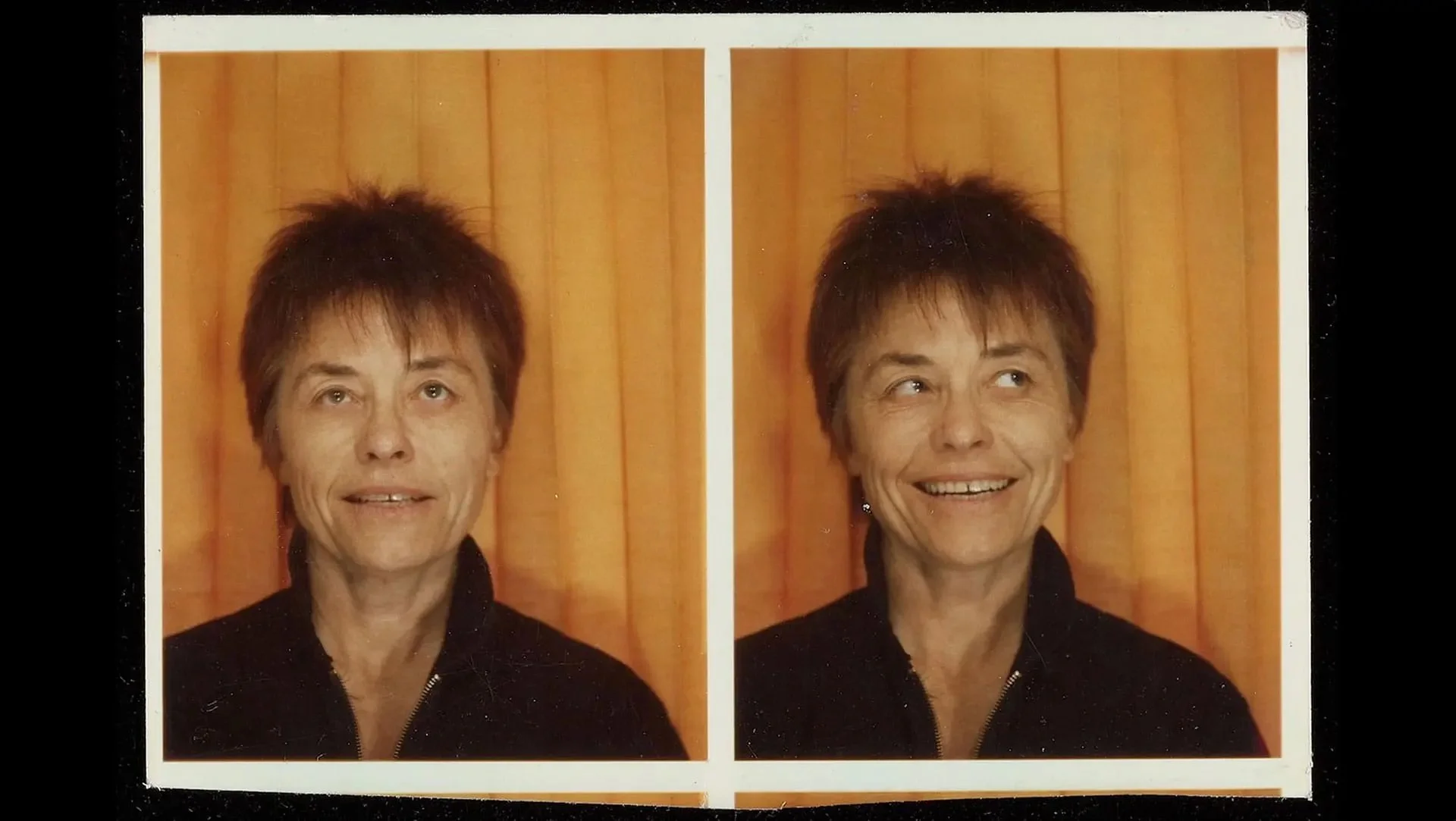
“I’m creating a lesbian history in a world where we’re invisible,” Hammer says. It’s hard to know if Hammer had enough of a vision to dream of the life her films would take on while she was alive and in the years after her death. She explored the idea of queer stories being forgotten by time in her 1992 feature film debut, Nitrate Kisses. In the contemporary interviews O’Connor conducts with Hammer’s partner, Florrie Burke, that same question comes around. The same idea piqued Hammer’s interest in 1992 and throughout her whole life. “Who makes history and who’s left out?” More than that, who lives on to keep the story alive? Burke takes her role as a shepherd of Hammer’s work very seriously. To her, Hammer’s films are not works of art, but pieces of her soul.
It’s rare when a documentary lives up to the magnitude of its subject. Edges are often softened to preserve a specific image of someone rather than allow them to be seen. With Barbara Forever, O’Connor gifts Hammer the same kindness and celebration that the pioneering filmmaker gifted to her subjects and the queer community at large — a chance to be wholly seen.
Follow me on BlueSky, Instagram, Letterboxd, TikTok, YouTube, & Facebook. Check out Movies with My Dad, a podcast recorded on the car ride home from the movies.
support your local film critic!
~
support your local film critic! ~
Beyond the Cinerama Dome is run by one perpetually tired film critic
and her anxious emotional support chihuahua named Frankie.
Your kind donation means Frankie doesn’t need to get a job…yet.