
Bryant Eberhart Wants to Make You Cry with “Your Brother Theo.”
Every filmmaker has a movie or a collection of films that sets them on the path to pursuing this medium. For Altoona-based writer/director Bryant Eberhart, it’s less about a particular movie and more about a genre. The coming-of-age subset of movies is an endless source of inspiration for him, but he does have a few favorites that stand above the rest.
“When I was 18, I saw mid90s in the theater. I think that was one of the first coming-of-age movies I saw. I fell in love with that movie. Over the years, I've seen Close, Dìdi (弟弟), and tons more. One of the films I had some of the actors watch was Snack Shack.”
“I think, with coming-of-age in general, I feel like there's always something you can take away from these films. Not that I don't love other genres too, but I feel like with coming-of-age stories in particular, you can take something meaningful and valuable from your two-hour experience of watching a feature, or even a twenty-minute short.”
“These stories can have such a big impact on how you move forward with your life. I've seen films that have changed the way I perceive things, the way I see other people, the way I feel about other people. That's what I love. To find ways to relate and connect with people in ways we don't always get to do on a day to day basis.”
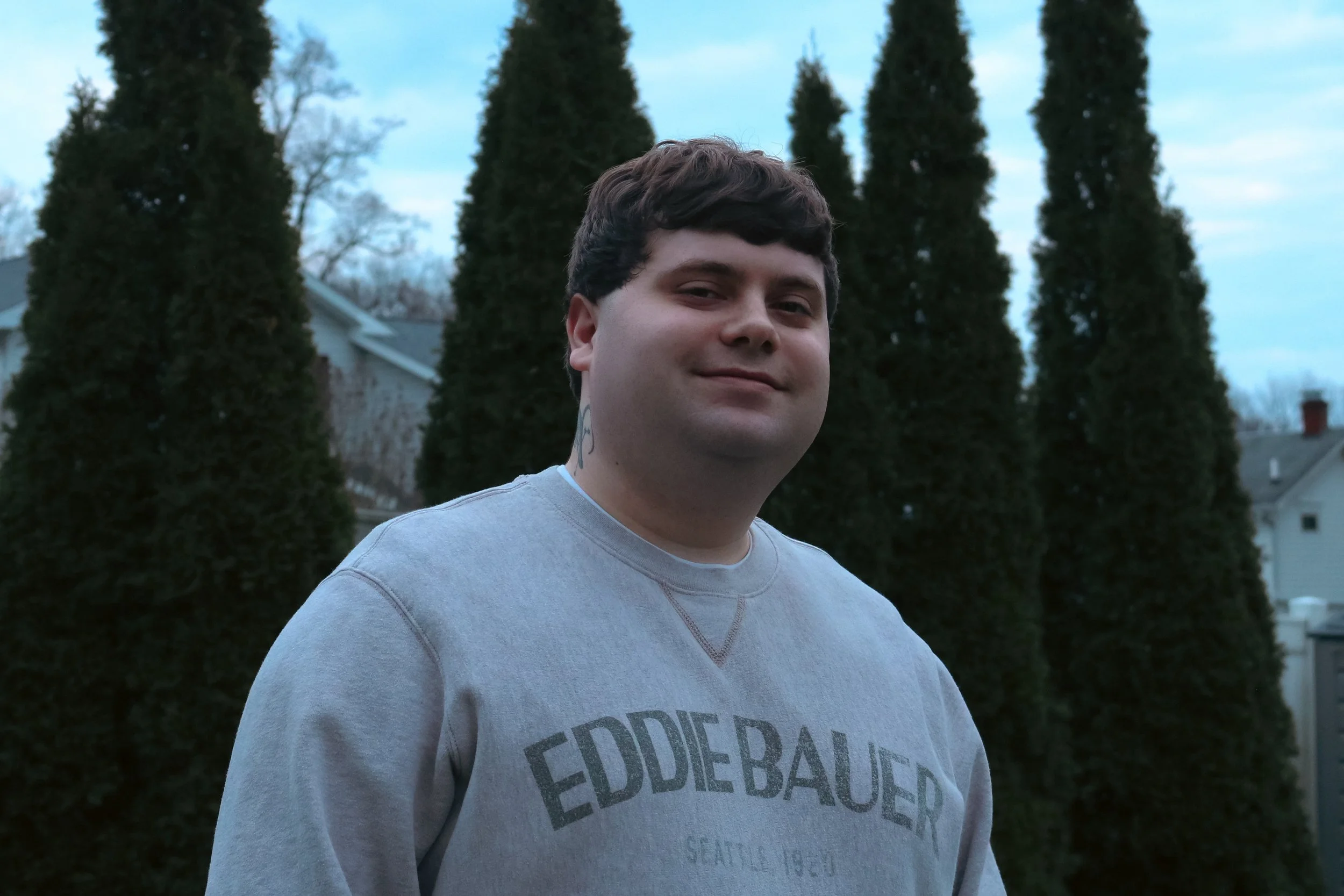
Courtesy of Bryant Eberhart
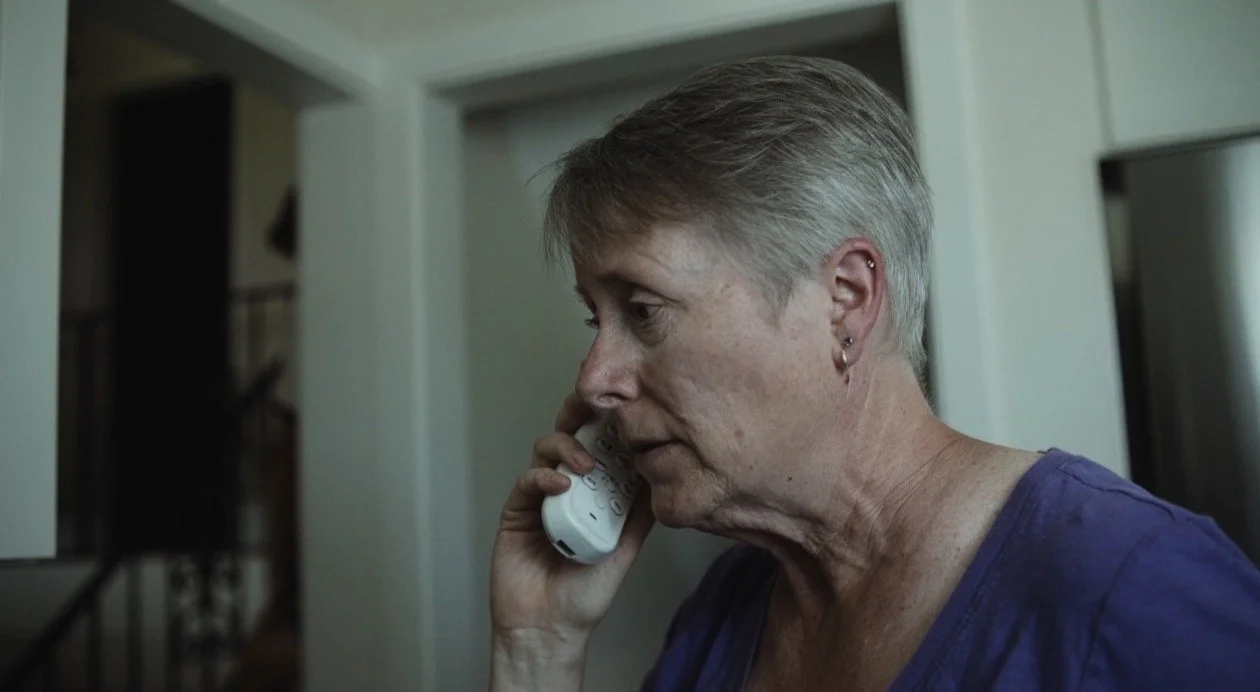
Eberhart is on the verge of releasing his second short film, Your Brother, Theo. On this project, he served as writer and director, as well as taking on a multitude of roles behind the scenes (and one in front of the camera). Your Brother, Theo. falls into Eberhart’s favorite genre and promises that more than a few tears will escape from the audience before the credits roll.
“It's about two boys who are best friends. They're growing up in the early 2000s in Pennsylvania. They have a crush on the same person. Throughout the film, we learn a little bit about each of their pasts and touch on the complexities of adolescence. Things that don't get talked about that probably should be.”
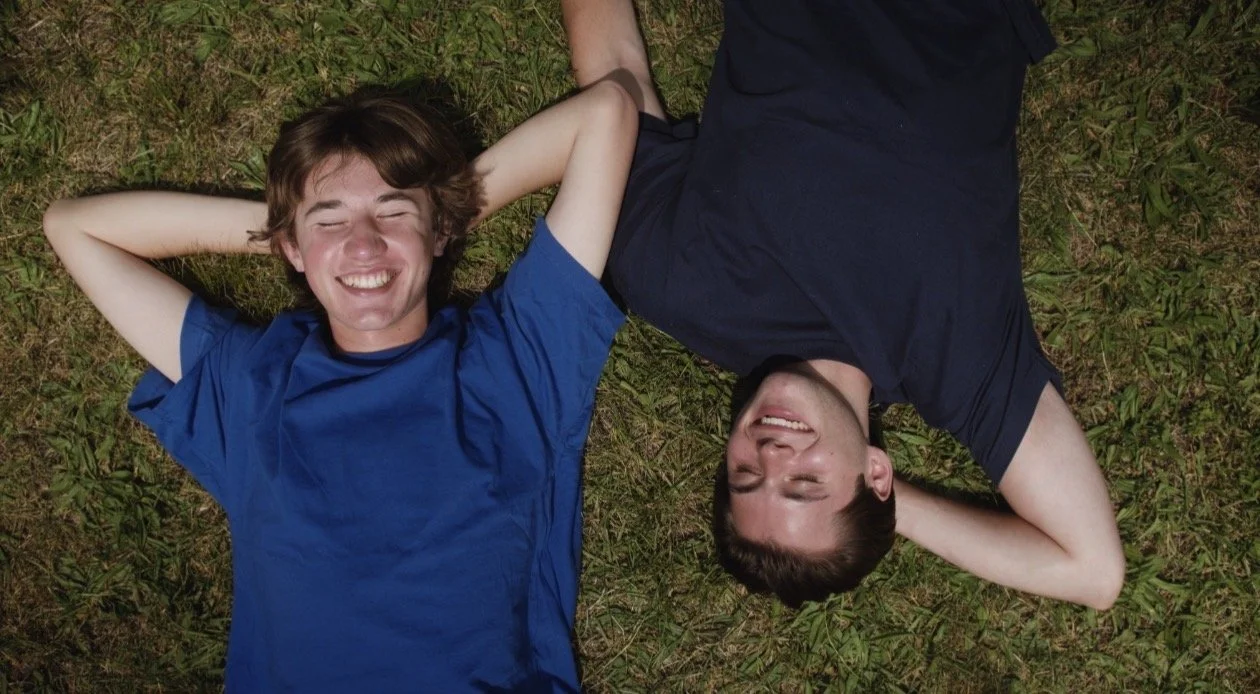
Courtesy of Bryant Eberhart
“I always say this. I think if you're a mom, you're going to hate this film because it's really devastating. If you're walking into this film thinking it's going to be so funny and cute, you're going to be horrified by the end of it.”
“Your Brother, Theo. shares a message in the end that I think people will really, really value. This was a very personal project. There were pieces of this that are very much connected to me, to people I've seen go through some really, really heavy things. I'm excited to see what people think of it, but it will be sad. Bring all your tissues, please.”
Many filmmakers find their personal life to be a well of ideas for their works. In doing so, they’re essentially excavating the hardest things they’ve dealt with and putting them on display for all to see. Eberhart sees this as part of the reality of being a filmmaker; that the best artistic work comes from within, no matter how intimidatingly intimate it may feel.
“My film last year, Because of You, was very personal to me. I remember when we premiered that one, my heart was beating in my chest and I was like, oh, boy, what did I actually do, maybe this shouldn't be on the screen. Funny enough, that's kind of what happened with this one. Pre-production was so much fun. We were like, this is going to be great. Then we were actually shooting it and I'm like, yikes, that is really heavy, someone is going to get really upset about this.”
“I always try to take some of the things I've been through in my life, things I've seen and witnessed, and try to turn them into something that will help someone. When I grew up, I just didn't feel like there were a lot of things I could relate to. I actually hear that all the time from other people who say they didn't have anything on TV that meant enough to them to feel connected. I'm surprised how common that is, but it's true. If I can contribute to helping anyone in any kind of way through an art that I love, then why not?”
“It's weird, it's hard, but I do love what comes of it.”
Eberhart was born and raised in Altoona, Pennsylvania. The city of roughly 43,000 lies almost smack dab in the middle of the state, split between Pittsburgh and Philadelphia. It was established in 1849 by the Pennsylvania Railroad, and most of the city’s landmarks are locomotive-related. One of the most popular attractions is Horseshoe Curve. Built in 1879 and complete with a visitor center, Horseshoe Curve was created to allow trains to smoothly handle the grade increase of the Allegheny Mountains. This city is home to Eberhart and the shooting location for both of his shorts. Unlike the larger cities on either end of the state that have had their fair share of films and television shot there, Altoona is fairly new to the world of movie production.
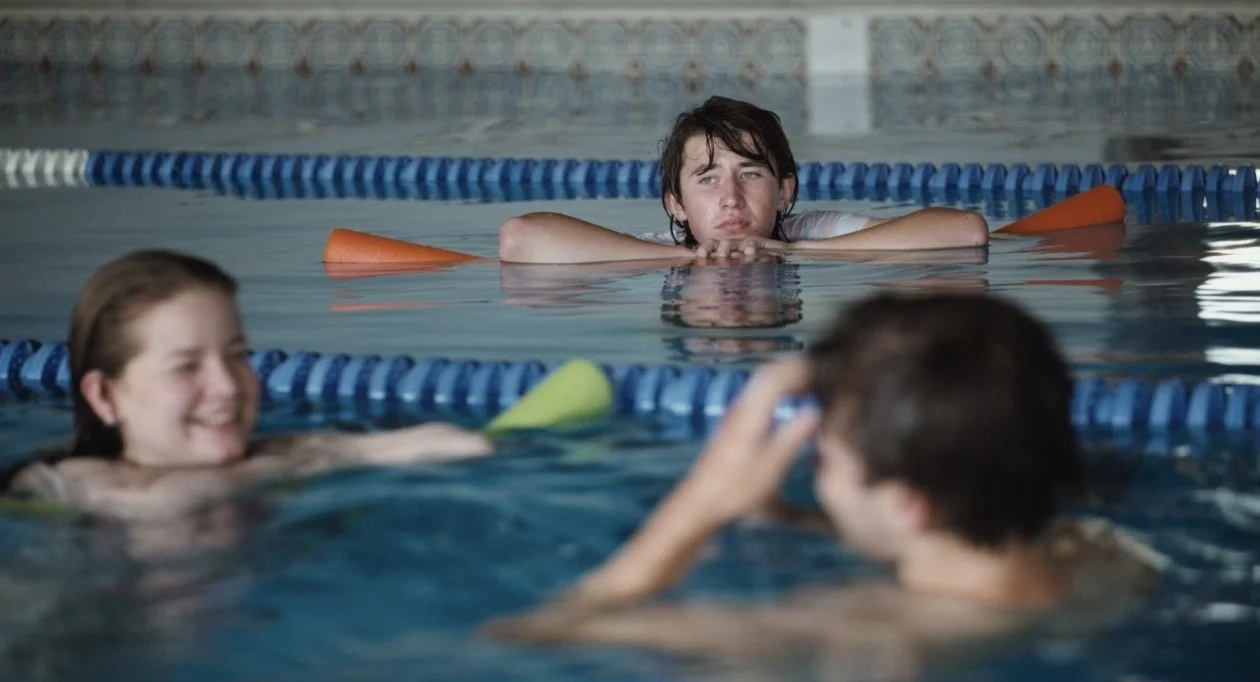
Courtesy of Bryant Eberhart
“I don't feel like films are this thing that is commonly acknowledged around here. That doesn't mean it's not important by any means, because it is. I know there's a huge community of us who really love film, but for whatever reason, it's hard in Pennsylvania compared to other places.”
“When I was reaching out about locations or using a company for catering, almost every single person I talked to looked at me like I have three heads. You really have to get used to elaborating and talking about what the meaning is behind this and why you're doing it.”
“We booked an Airbnb in town and let me tell you, Airbnbs are the hardest thing to find for a freaking film in Pennsylvania. I don't know why, they just are. Thankfully, the person we worked with was very intrigued to hear that we were in Altoona making this film. It's kind of cool to see the reactions of people, but it's also very complex and complicated because there are a lot of people who just aren't really used to this scene yet. They're not really sure how to take it or if you're legit. There's a lot of explaining to do along the way, but it's all worth it in the end.”
On top of writing, directing, producing, and starring, Eberhart was also the locations manager. Aside from the Airbnb, the film needed about five other locations. Eberhart described the process of trying to find those places as “so awkward, so weird,” mostly because people in Altoona aren’t used to being asked if a film can be shot in their space. For a bonfire scene, Eberhart called on his parents and used their backyard for the location. He credits living in Altoona as a strength when sussing out potential places.
“What it all comes down to is using what's right in front of you. You really just have to be creative and think like, what places would match this film the best? You do have to be more creative with it. With the Airbnb, you have to tell them what the film is, and understandably, they have to make sure you have insurance set up.”
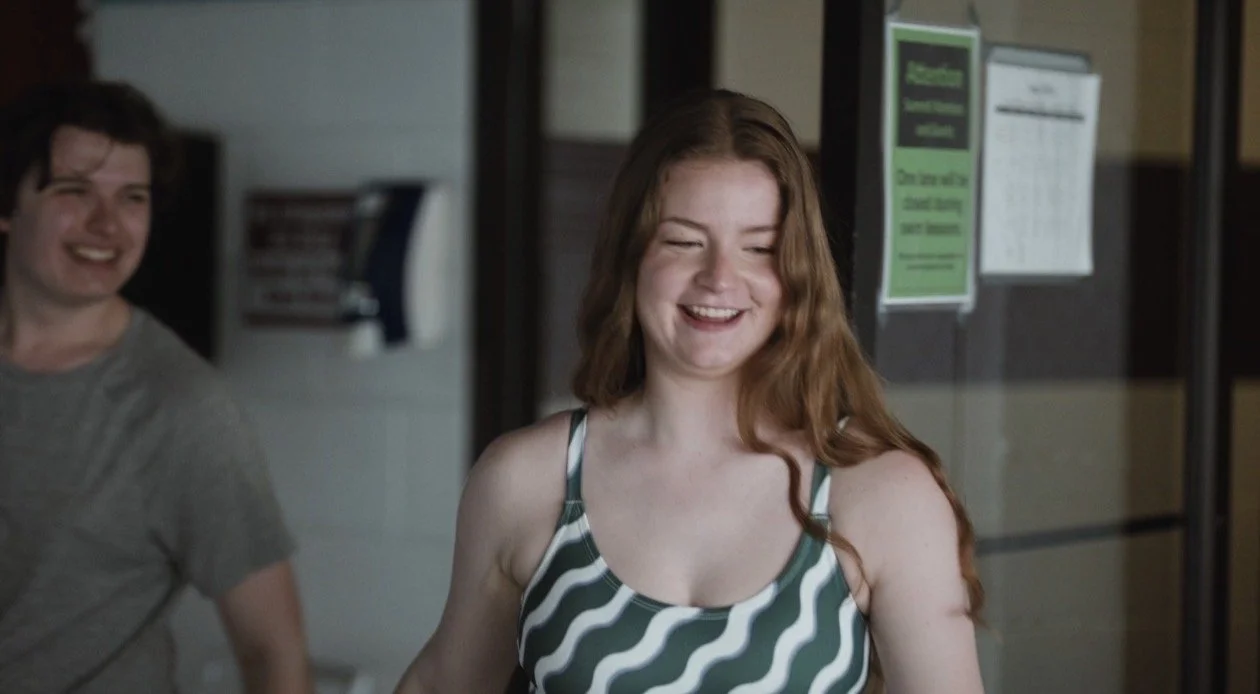
Courtesy of Bryant Eberhart
“The lady we worked with at the Airbnb, we just got super lucky. She was like, oh my gosh, please make your movie here. Throughout the week, I would send her little things from the film of us in the kitchen, shooting. She loved seeing those behind-the-scenes things of her Airbnb.”
In the credits of Your Brother, Theo. is a special thanks to the Altoona Curve. Named for the famous Horseshoe Curve and the curveball pitch, Altoona Curve are the AA affiliate of the Pittsburgh Pirates. One of the most exciting locations they were able to use in the film was Peoples Natural Gas Field, the stadium of the Curve.
“The field is crazy amounts of money. They're very, very particular about how they run that place. Understandably. Someone connected me with them and I was like, there's no way we're ever going to be able to shoot a film here. I'm going to go talk to them and they're probably going to tell me to get lost. But no, they were so happy to help.”
Every artist, whether they realize it or not, is inspired by the surroundings of where they grew up. For some, that hometown is proudly displayed in everything they do. For others, it’s something more subtle, beneath the surface, but powerful enough to steer the course of their artistic voice. When looking back at his life in Altoona, Eberhart is honest about some of the less-rosy aspects of the place.
“Speaking from my life and what I've experienced, I think people here sometimes are afraid to take the step to simply be who they are. I know that's super cliche, but I think we all fear judgment. We all fear not measuring up to things and feeling like we're less than other people.”
Courtesy of Bryant Eberhart
“I have seen a lot of that. I feel like in Pennsylvania specifically, there are a lot of people who just stay boxed in and they don't want to venture out and take a chance on things. Maybe not even with film, but anything. It's sad, because I don't feel like Pennsylvania should necessarily be like that. There's always room to take a first step in that direction and just be authentically you. I get along with people very well who can portray themselves as they are.”
“In terms of filmmaking and people out there, especially from Pennsylvania, who want to take the first step, I would say just do it. If you’re reading this, I think you should. There's so much room for opportunity. There's so much room to do something really meaningful for yourself.”
“I hope people can be themselves and reach for the stars. Sooner or later you will get there. Believe me, I'm still on the way.”
When asked what stars he’s reaching for, his answer is simple. Sure, he’d love to move out to Los Angeles or New York City if someone wants him to work for them. If someone wanted to give him an Oscar for his work, Eberhart would take that too. In actuality, though, Eberhart’s reaching for something much simpler.
“I would just like to be happy. Making movies is what makes me feel that way. I love to see people who also feel that way about what they do. I think if you can find something in this world, whether it be film or crocheting or whatever, I think if that's what brings you joy, then you should do it.”
Follow me on BlueSky, Instagram, TikTok, Letterboxd, YouTube, & Facebook. Check out Movies with My Dad, a podcast recorded on the car ride home from the movies and I Think You’ll Hate This, a podcast hosted by two friends who rarely agree.
Support your local film critic!
~
Support your local film critic! ~
Beyond the Cinerama Dome is run by one perpetually tired film critic
and her anxious emotional support chihuahua named Frankie.
Your kind donation means Frankie doesn’t need to get a job…yet.