
Director Daniel E Catullo III Talks “4000 Days” Doc About Campus Hazing
Daniel E Catullo III has four films screening at the 2026 Tribeca Film Festival. Three of them have a lot in common. They’re music documentaries he produced for Peter Frampton, Katy Perry, and Alicia Keys. The fourth film is 4000 Days, a documentary Catullo III directed about fraternity hazing. A graduate of West Virginia University, where Greek life is extremely prevalent, Catullo III, a fraternity member himself, became an accidental anti-hazing advocate. 4000 Days is the culmination of his work on three Emmy-award-winning short films about the severity of fraternity hazing. The film focuses on the fight three families undergo to ensure no other parent receives the horrible call they did. 4000 Days will premiere at the Tribeca Film Festival on Wednesday, June 10 at 5:30 PM at the Village East by Angelika theater.
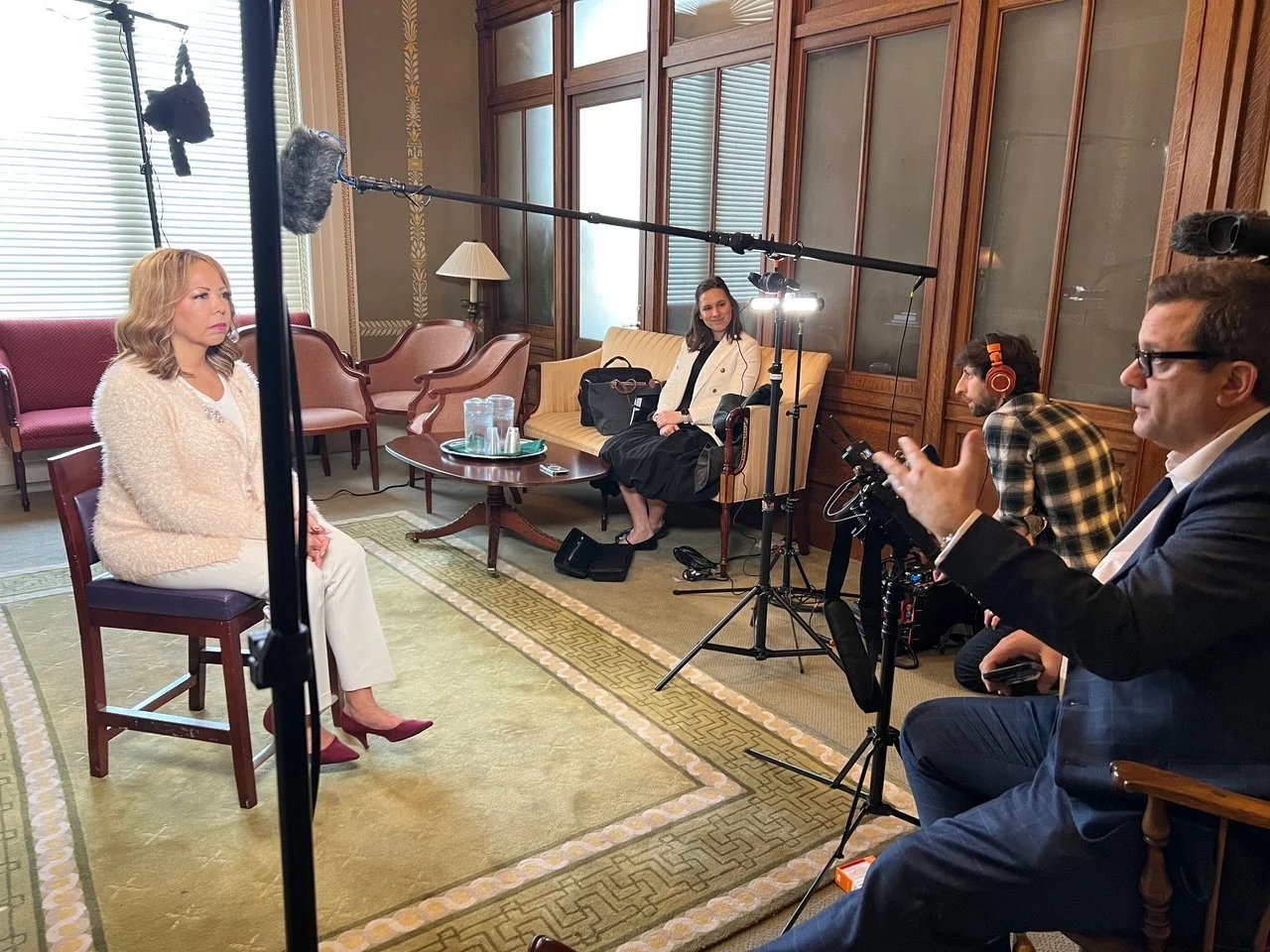
U.S. Representative Lucy McBath and Director Daniel E. Catullo III in the documentary, 4000 DAYS, a 10 Lives Studios release. Photo Courtesy of 10 Lives Studios.
Before talking about 4000 Days, I wanted to ask about your work in concert films because I feel like 4000 Days is a departure for you. I’m curious about how you made the shift to 4000 Days and the work you’re doing around campus hazing. Is there anything you learned from making concert films that unexpectedly helped you in the process of making this film?
Daniel E Catullo III: I’ve always been intrigued by docs, so I started getting involved in documentaries in 2011. I was one of the executive producers and financiers of The Square, which went on to win Sundance and get nominated for an Academy Award. Obviously, when your first documentary goes that far, you get the bug, right?
I do a lot of work with West Virginia University. In 2016, I went to West Virginia. I’m a donor there and I was on the football team, so I do a lot of stuff with the school. My wife obviously knows everybody there as well. We were hanging out with the president, Gordon Gee, and like, two months later, we’re home in California and my wife starts screaming, come downstairs, hurry up. I run downstairs. She’s like, your friend Gordon’s on TV. And I was like, you mean the president of WVU?
He was on Dateline. It was an episode about fraternity death. I kind of knew what happened to Nolan Burch, but I didn’t know the full story of it. I also wasn’t aware of how bad it was becoming nationally. I watched it and I couldn’t sleep that night. The next day, I was so affected by it, I called Gordon and I said, hey, I saw you on Dateline and I want to help. He’s like, oh, Dan, they came and they interviewed me for three hours. They used two minutes of it. We have to stop these kids from doing this. I need help.
A week later, I called him, saying I wanted to come down to West Virginia to meet with him. Get everybody together — the lawyers, the provost, everybody. I want to talk to you guys. I went there and I pitched them. I said, let’s make an educational film about what happened and let’s put it out there and say, yes, we had a death here. Yes, this is getting out of control. We want to stop it.
We made this educational film, Breathe, Nolan, Breathe. I actually used students from WVU to make it. We didn’t think anything would come of it. We thought it would be used as a tool to educate kids coming into school on how to be careful and teach them about bystander awareness.
Well, it went viral. We had millions of views almost instantly. Then I’m on the Tamron Hall show, I’m speaking across the country with the Burches. Other families started calling me saying, my son died and I’m like, what is happening? I developed a soft spot for working with families who lost their kid.
Of course I had to say yes. Then I did 44 Mill Street, which won an Emmy. Breathe, Nolan, Breathe won an Emmy. Then I did Death of a Pledge and that won an Emmy. While we were doing these educational films, I started working on a series because I wanted to raise the alarm about what’s happening in schools.
I became this advocate. I didn’t really mean to become the guy who’s kind of whistleblowing. I was a Sigma Phi Epsilon college. I had a great experience with the largest fraternity at West Virginia. Yes, I was hazed, but nothing like what’s going on now. We didn’t light each other on fire. We didn’t hit each other with cars. Some of the stuff they’re doing is nuts.
There’s that old saying, you can’t bullshit a bullshitter. I used to be one of them. You can’t tell me you don’t know what’s going on. I know the nationals know, and they’re not doing anything about it.
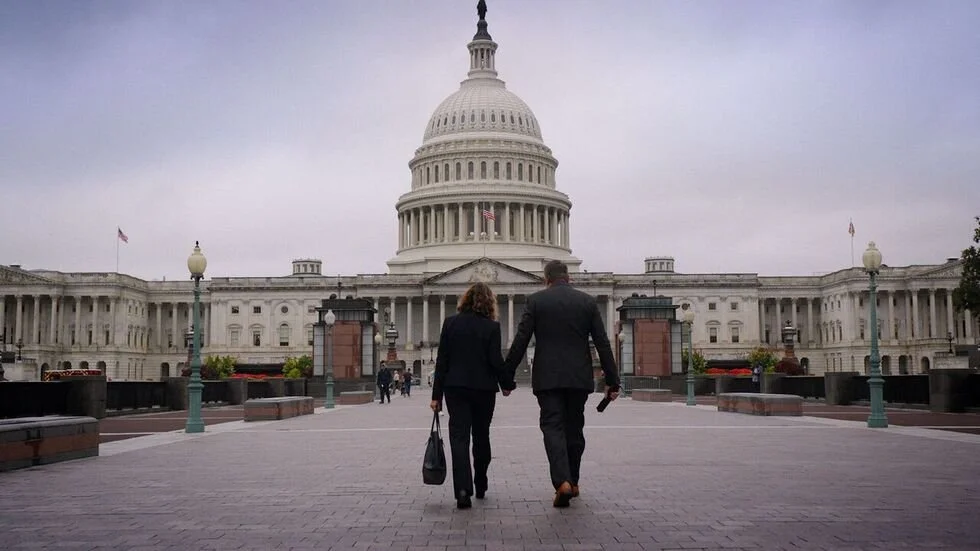
Julie DeVercelly and Gary DeVercelly in the documentary, 4000 DAYS, a 10 Lives Studios release. Photo Courtesy of 10 Lives Studios.
I started working on a series called Protect the House, which we’re still putting out. I had such a great relationship with these families. I saw them as heroes, and their story of banding together…I don’t know about you, but I don’t know if I could go out and talk about it every day if one of my kids died. I would probably retreat into a cave.
I called Russell Greene, a friend of mine. He edited the film and he’s a producer, but he also did Newtown, the documentary about Sandy Hook Elementary parents coming together in the wake of the kids’ deaths to take on the gun control laws. We had a little bit of a break on Protect the House and I saw the side story of these parents coming together.
I’m like, I’m going to put a film together just about these parents working together. That’s how it kind of morphed. It’s kind of crazy because I would go from shooting Eric Oakse at the scene of his son’s death, which was really heavy, and then the next day I’m with Alicia Keys. It was a complete mindfuck. I became terribly close to these families, and when you have a personal connection it does make it harder because you don’t want to let them down. You want to tell their story.
What is the editing process like? How much are the parents involved with that aspect of it?
The hard thing is not crossing that line. They were involved in post-production of the film, but only for fact-checking. I never allowed any of them to have any say in the edit. The families didn’t even see it. It was nice to have them involved where I could constantly call them for information and ask questions like, how did this happen?
A lot of documentary filmmakers won’t even involve the subjects at all, which I think is a mistake. The best compliment I ever got from anybody of anything I ever did came from Linda Oakes. The first time I screened the film for the Oakeses, I went out to them in North Carolina. I showed the film and then there was silence after. We got up, we all hugged, and Linda was crying. She said, you captured exactly what it was like to be me. That was the thing for me. I wanted to capture their pain, and I wanted people to understand what they go through on a daily basis.
That was the hardest part, making sure I accurately showed that. If anything, I talked to them more about making sure I was really letting people know what it’s like to be them. They were very respectful to me. They obviously understood the game, that they couldn’t be involved in the structure of the storytelling or what I chose to put in, what I chose to take out. They were really respectful because I told them from day one, we have to be careful not to harm the moral compass of the film, so you got to let me tell the story. It meant the world that they trusted me.
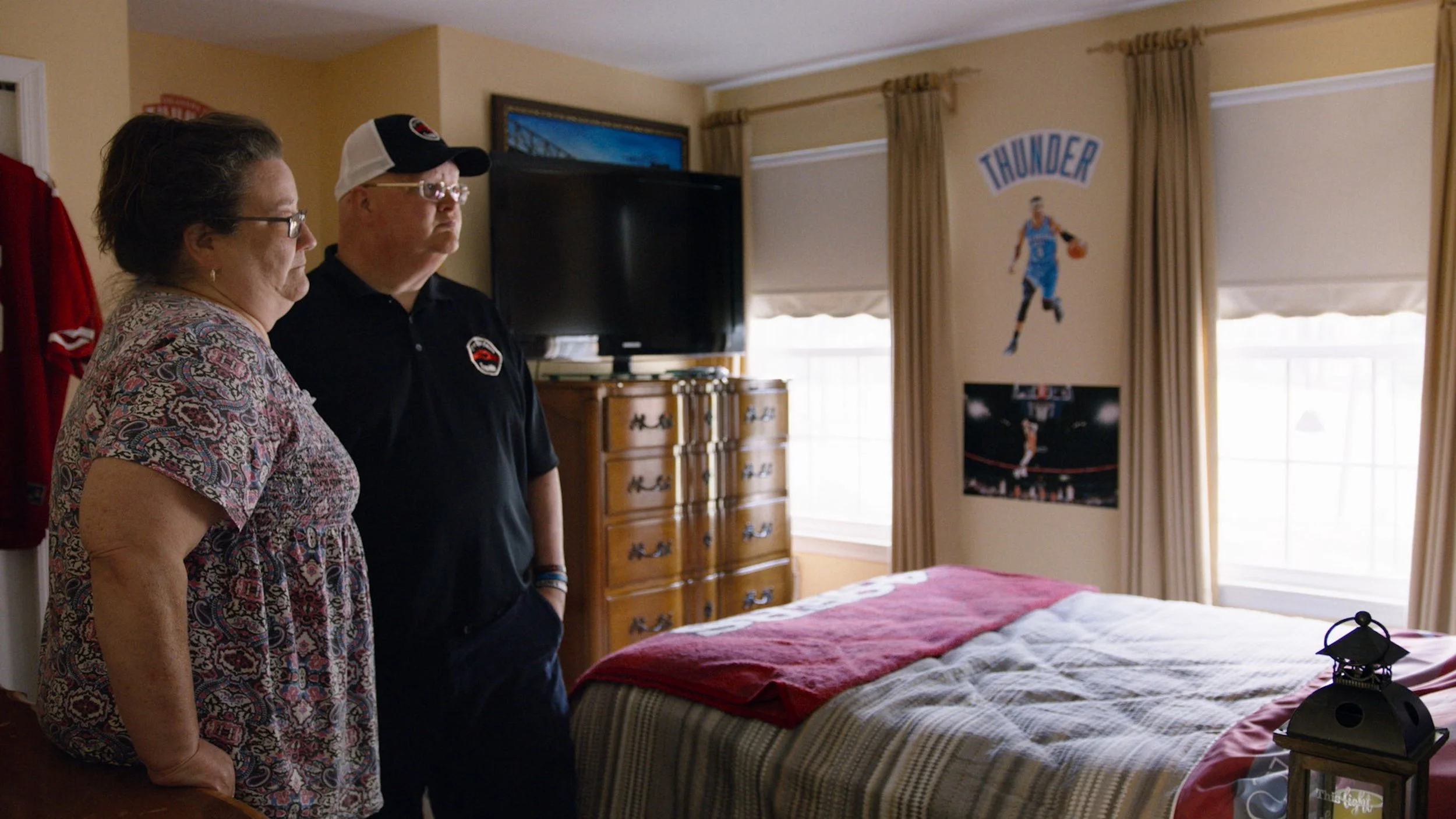
Linda Oakes and Eric Oakes in the documentary, 4000 DAYS, a 10 Lives Studios release. Photo Courtesy of 10 Lives Studios.
That’s how this all started. I didn’t know I was going to go down the rabbit hole and get sucked in this hazing world. Now there’s this thing. I’m hell-bent on helping stop this. I made a commitment. I’m not stopping until this shit stops.
I don’t think in my lifetime or your lifetime we’re going to see a cure for cancer, but I think we can stop hazing because it’s total bullshit. There’s no reason to hurt each other and it’s going to kill someone. This is just total bullshit.
I felt like, okay, people are listening to someone and maybe it’s me because I used to be one of them. I know what the universities know. This is a big cover-up. I know what these kids are doing. Someone needs to step up and say enough of this stuff.
They want to see me as enemy number one, and so be it. I don’t care because I know we’re saving lives. I mean, at West Virginia University, just for using Breathe, Nolan, Breathe, the Burches and I know we saved lives because people called 911 after learning from that film.
Look, it’s great to do the music stuff. I know music gets people through tough days, but when you make things that really make a difference, I mean, it’s been really fulfilling. I’m almost kind of sad this film’s over, but I’m really grateful to get it out there because the only thing I ever wanted…I wanted these parents to get their day. I wanted people to see what they do because honestly, they’re heroes to me. I don’t think I could do that.
Follow me on BlueSky, Instagram, Letterboxd, TikTok, YouTube, & Facebook. Check out Movies with My Dad, a podcast recorded on the car ride home from the movies and I Think You’ll Hate This, a podcast hosted by two friends who rarely agree.
Support Your Local Film Critic!
~
Support Your Local Film Critic! ~
Beyond the Cinerama Dome is run by one perpetually tired film critic
and her anxious emotional support chihuahua named Frankie.
Your kind donation means Frankie doesn’t need to get a job…yet.