
David “Wino” Weinstein Has Seen More of Pittsburgh than Most of Us Ever Will
Location manager and scout Dave “Wino” Weinstein was born and raised in Pittsburgh. He’s worked on nearly all the massive projects that have come through this area, including The Pitt, Sudden Death, Ma Rainey’s Black Bottom, and Mindhunter. Weinstein has been working in locations for most of his adult life, but it wasn’t something on earth that made him interested in pursuing a career in film.
“The original Star Trek series was something that had a great effect on me as a child. It provided my moral center. I don’t know if that necessarily led me to want to work in the business, but it got me interested in how things work. How do they make that door open like that? How do they put things on the screen?”
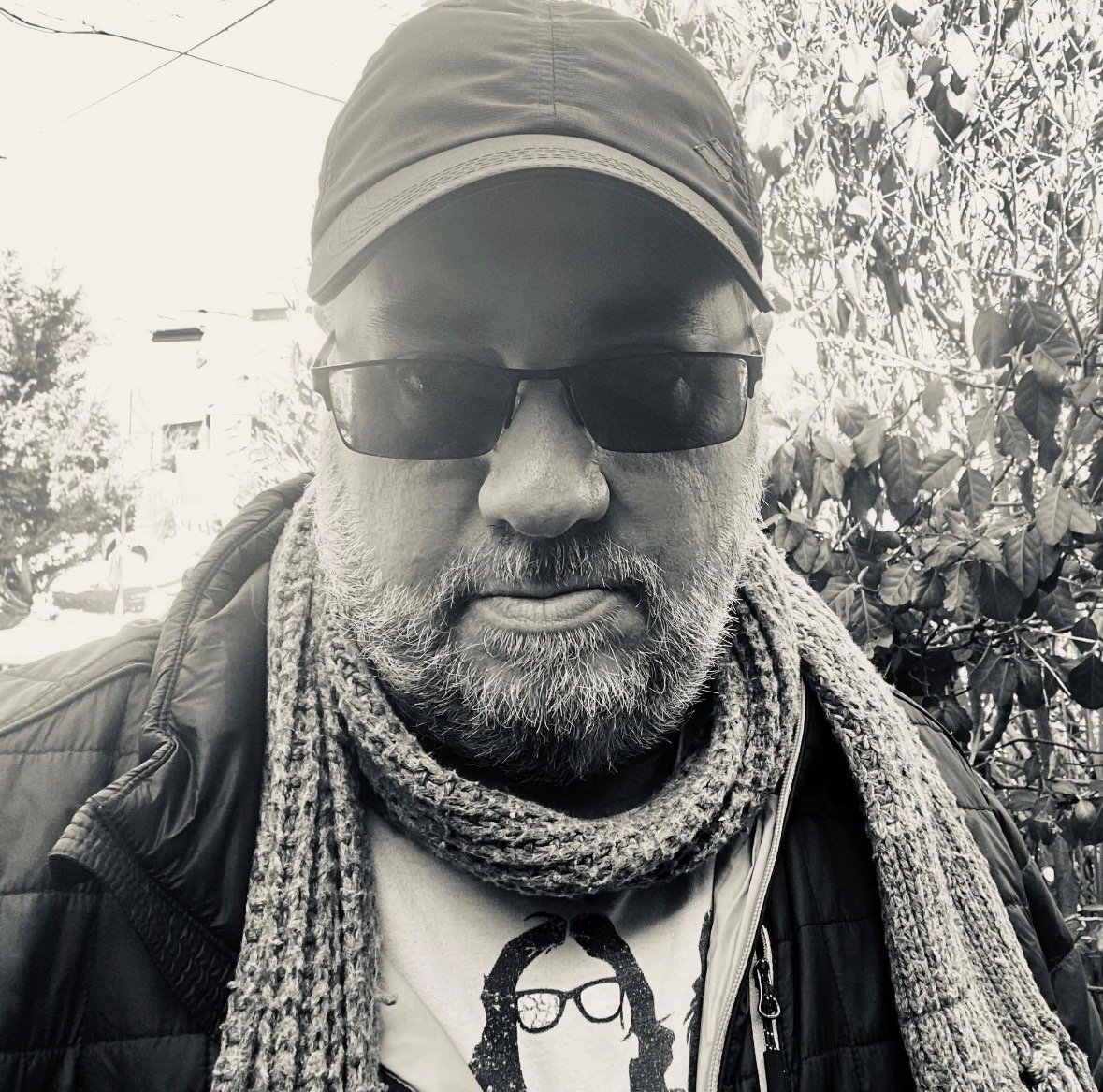
Courtesy of Dave Weinstein
“My grandmother also gave me a general love of entertainment and really reinforced it. She was a big fan of classic movies. Cary Grant, William Powell. She used to say she left her back door unlocked in case Cary Grant came and knocked on it.”
Weinstein spent a year in New York working in marketing because it didn’t feel fully practical to go into the world of movies and TV. At least his marketing job was in the entertainment industry, but to Weinstein, it was still a “wear a suit and go to work” job.
After New York, Weinstein moved to Washington, DC, for another marketing job. Unlike the one in New York, this one removed him from the world of entertainment and put him in the dry atmosphere of third-party insurance administration. It’s around this time that Weinstein’s college roommate was working on a movie called The Bride in Black. It was being filmed in Pittsburgh and starred Susan Lucci of All My Children. While Weinstein didn’t get a job on The Bride in Black, his roommate mentioned that another film, Passed Away, was about to begin production. He told Weinstein to hang around set to see if he could get involved. The rest is history.
The crew had been moving into what would be their production offices and, after a few days of Weinstein helping them, they offered him a job. By his account, this was both good and bad. Good because he was working in film and bad because he’d be in an office again. He’d just left the office lifestyle.
“No suit this time,” smiles Weinstein.
It wasn’t long before Dave was given a promotion of sorts — from a job in the production office to cast driver. This was before drivers had to be teamsters, and some of the cast didn’t like the people who were driving.
“One of the teamsters said, ‘you’re a really personable kid; how’d you like to drive cast?’ That’s how I started driving Maureen Stapleton. She’s an old-time actress and she had a lot of phobias. She wouldn’t stay above the first floor, so they had to rent her an apartment instead of a hotel. She was a drinker, so she enjoyed having a beer ready for her as soon as she was done. She would go in and nail her work, but as soon as she got in the car, she would crack a beer. In the car the first time, she started to smoke a cigarette. As we were driving, I pulled the ashtray out as if to say you could put your ash in there. She said, ‘I don’t need that ashtray, honey.’ She spit in her hand and put the cigarette out right in the palm of her hand. I told my uncle that story, and he said, ‘That there’s the definition of a broad. They don’t make ’em like that anymore.’”
Pamela Reed of Kindergarten Cop, her husband, Sandy Smolan (who directed episodes of Northern Exposure), Teri Polo of The West Wing, Jack Warden of Heaven Can Wait, and others were once Weinstein’s passengers through the streets of Pittsburgh. He credits his time as a driver as a crash course on the inner workings of the film set. It was through this exposure to different roles that he realized being a driver was not necessarily what he wanted to make a career out of.
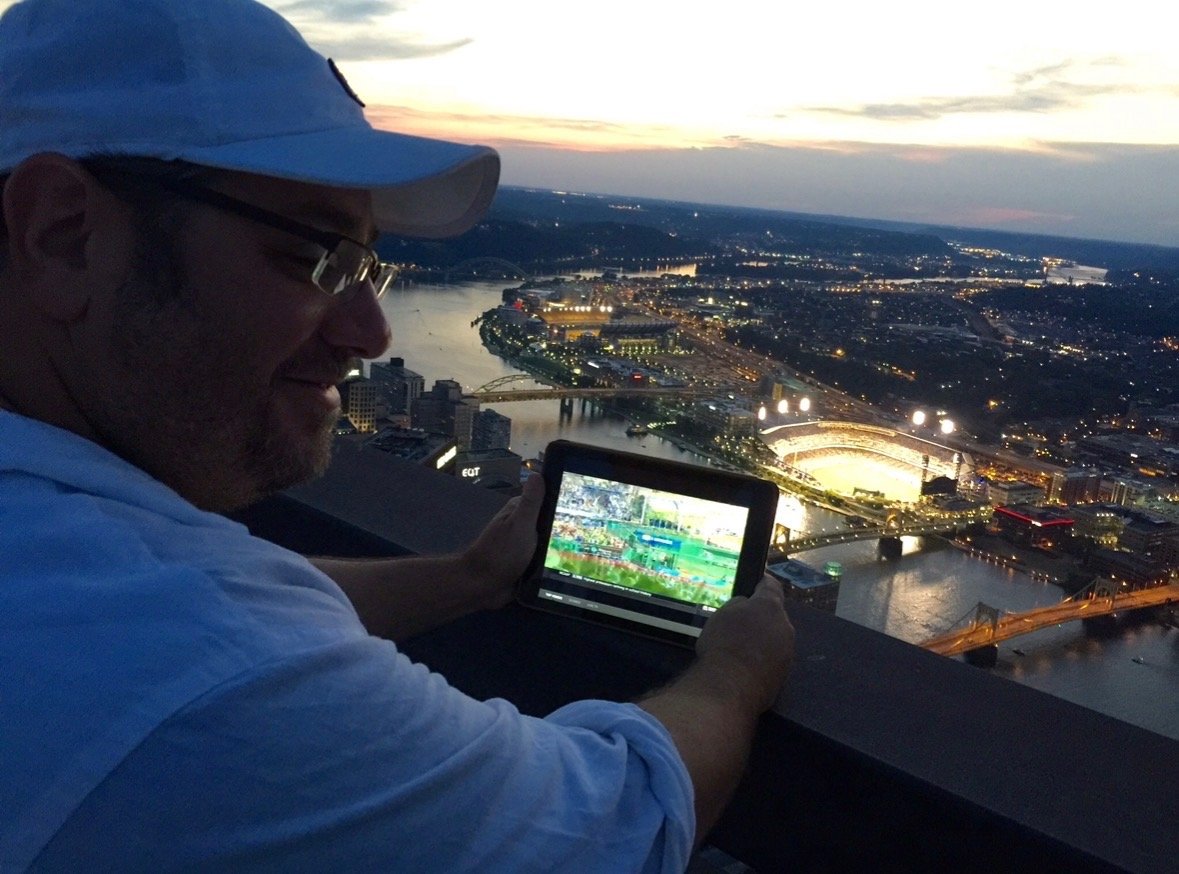
Courtesy of Dave Weinstein
Before locations came production assistant. He needed to log 600 days as a PA in order to become an assistant director. After reaching that milestone, Weinstein often worked with his best friend, Steve Parys, another assistant director. Together, they had a “good cop, bad cop” routine going on. It was through his work with Parys that Weinstein ended up pointed in the direction of locations.
“Steve would occasionally do location work, but he hated it. He started to farm that out to me and taught me how to do it. Here’s what they’re looking for, here’s how you find it. It helped to be from the area and have relatives and friends I could ask.”
“For me, locations became a really interesting thing to do because, first of all, you get on the job before everybody else. One of the first calls I get is the director’s coming and they would like to drive around the city and see this, that, and the other thing.”
“You might get a list from the script that tells you the things they’re looking for. You might talk to the production designer who would say, well, the look I’m going for is downtrodden steel town, right? We certainly have that. I might also get asked for New Hampshire, Boston, or Brooklyn, so you have to be aware of where to find those things. Because our city can look like a lot of places, I’ve been asked to find some very interesting locations.”
His strangest request? Iraq. How on earth could Pittsburgh stand in for Iraq? That’s movie magic.
“After discussion with the production designer, we decided on a flat parking lot with an upslope with nothing in the sky. What they could do then is, they would put tents in a V formation from where the camera’s standing, looking at the parking lot. They would put some sand in the foreground and then the rest of it they would digitally add to make it look like a desert. Suddenly, you’re in Iraq in an abandoned mall parking lot in Pittsburgh.”
One of the most famous films shot in Pittsburgh is the Jean-Claude Van Damme-led action flick Sudden Death. It’s most notable for being shot almost entirely within the Igloo (for out-of-towners, that’s the old Civic Arena) and, during its climax, Van Damme being airlifted out of the roof of the arena. But before Van Damme could be up there, someone had to scope it out.
“Someone says, hey, we need to get on top of the Civic Arena. So I get to go up there and take pictures and meet some interesting people on the way up. And the way down. There are tunnels that used to be under there that they also wanted me to check out. These tunnels went all the way to the Steel Building and were built during the war. Not necessarily because they were afraid of being bombed, but it was cold, and they wanted the industry to continue.”
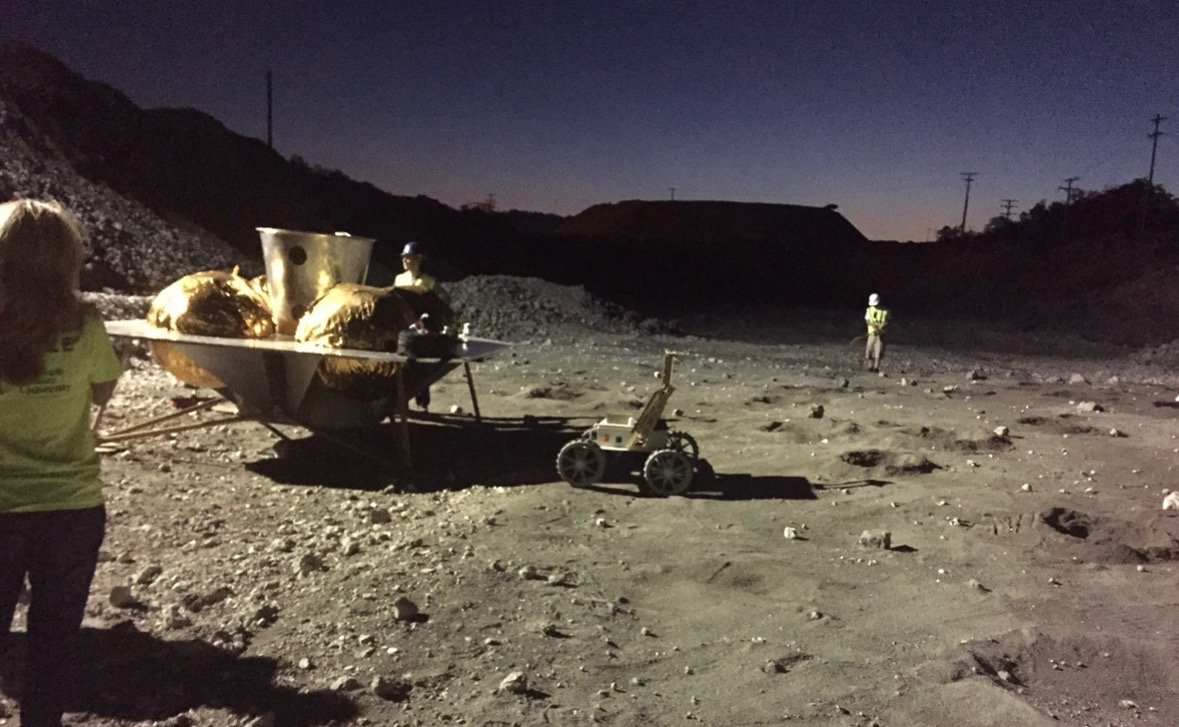
Courtesy of Dave Weinstein from a documentary shoot about the Mars Rover where Weinstein needed to simulate Mars
“I feel like it’s my way of creatively contributing. The production designer describes what they want, and when the director comes in and sees it for the first time, they go, man, this is exactly what I was thinking. Sometimes you think out of the box and you give them other options, and they say, this isn’t what I was thinking at all, but I love it, let’s shoot here. For me, that’s the satisfying side of locations.”
Anyone who lives in Pittsburgh will tell you there’s something special about this place that doesn’t exist elsewhere. In the world of film and TV, Pittsburgh has pretended to be cities, both fictional and real, around the world. It’s rare, and exciting, for Pittsburgh to star as itself. Weinstein sees Pittsburgh’s moldability and originality as a superpower for the city, thanks to its storied past.
“I think part of Pittsburgh’s flexibility comes from the immigrant buildup that happened 100 years ago and structured these neighborhoods. Also, the steel industry. Neighborhoods were dedicated to that and they have a certain type of look to them.”
“On the north side, there’s an area that’s a very Brooklyn brownstone kind of thing, but the next street up could be Georgetown or Alexandria. I think these neighborhoods naturally grew around the city. There are 90 neighborhoods in Pittsburgh, and each one of them offers something different. If you’re crafty enough with the production designer, you can figure out a way to make it look like almost anything.”
Stay tuned for more stories from David “Wino” Weinstein’s prolific career!
Follow me on BlueSky, Instagram, TikTok, Letterboxd, YouTube, & Facebook. Check out Movies with My Dad, a podcast recorded on the car ride home from the movies and I Think You’ll Hate This, a podcast hosted by two friends who rarely agree.
Support your local film critic!
~
Support your local film critic! ~
Beyond the Cinerama Dome is run by one perpetually tired film critic
and her anxious emotional support chihuahua named Frankie.
Your kind donation means Frankie doesn’t need to get a job…yet.