
Max Aruj Reignites the Sounds of John Creasy in “Man on Fire”
Composer Max Aruj is no stranger to action and danger. He’s learned from the legendary Lorne Balfe and Hans Zimmer, composers of Mission: Impossible — The Final Reckoning, and now has the distinct honor of writing the music for the newly released Man on Fire Netflix series.
Starring Yahya Abdul-Mateen II as John Creasy, Kyle Killen’s serial take on the A. J. Quinnell novel spans seven episodes. Despite its origin as a novel and the existence of a 1987 film version, for most people Man on Fire will ring a bell as the 2004 Tony Scott-directed film starring Denzel Washington and Dakota Fanning. This adaptation and Aruj’s accompanying score honor the legacy of what came before while crafting a John Creasy tale for a new generation.
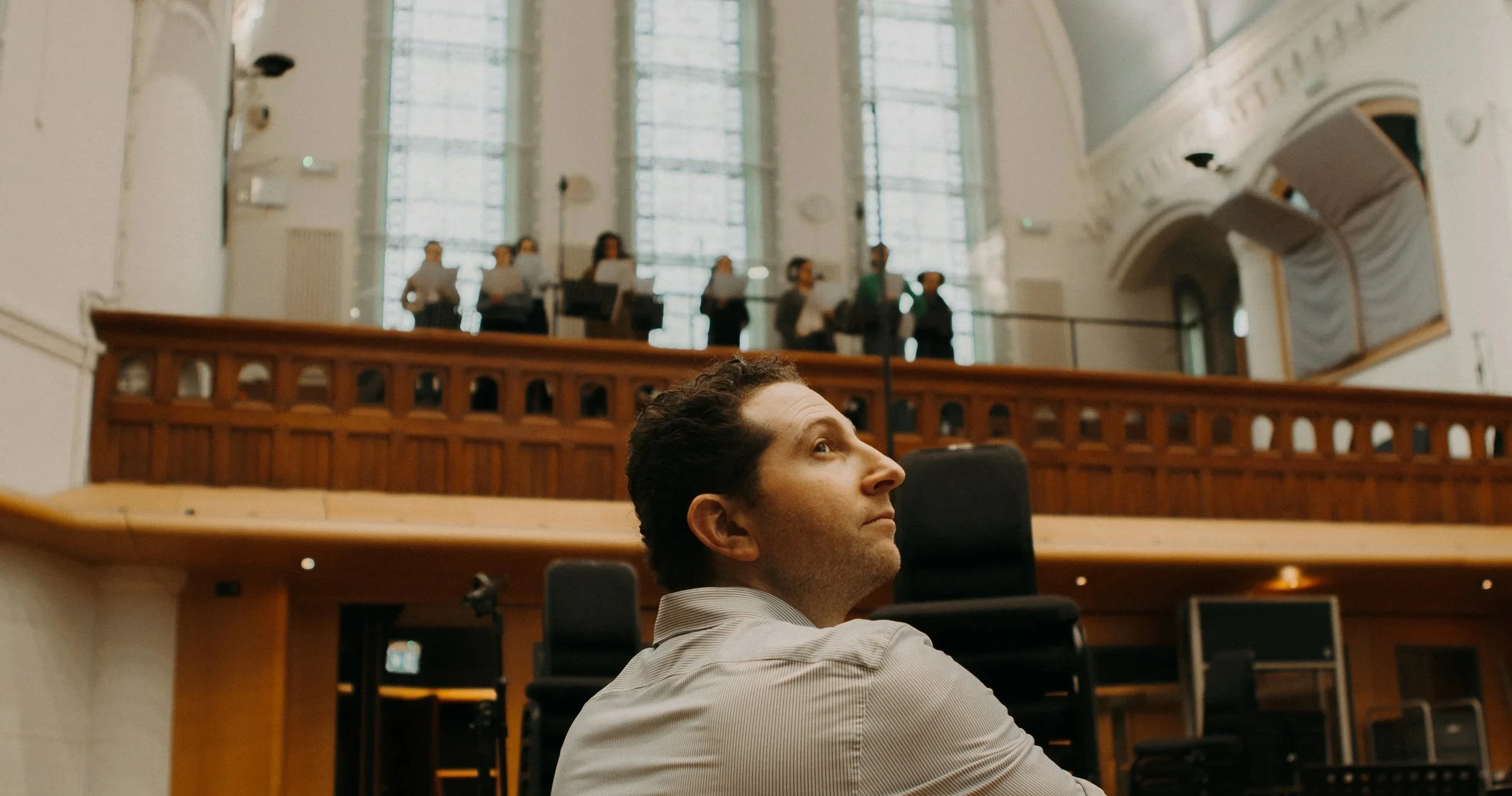
Courtesy of Max Aruj
Am I right in saying this is your first full TV series?
I think it is, you’re right. I remember when I interviewed, they said, we would love for someone with more TV experience. I thought, wait a minute. I guess this really is my first live-action show.
What sort of learning curve was that? How different is action TV from action film?
I think working for Lorne Balfe for so many years, we did a bunch of TV shows, so I already knew what needed to be done in a sense. I needed to write themes immediately and present them in about ten days so the showrunners could say, okay, yeah, we think this works here, this definitely works, this doesn’t work. Then I had to go and score the whole episode. I think I did it in two weeks, which is fast. Also, for a 40-minute episode, that’s doable.
As far as stretching music over the course of a TV series, especially with one that’s international, what is the planning process when writing a theme?
I watched episode one and episode two with my parents last night, and I was reminded that you only get the smaller version of the “Man on Fire” theme in the first part of the series. It doesn’t explode with the last minute or so of that theme, when it really grows, until later in the series.
It just requires using your imagination. Thinking, okay, these are the small variations. We have a B section, and then it grows into the repeat of the A section, where it’s really cinematic and huge. It’s knowing I’m not going to utilize that until episodes five, six, seven in the series.
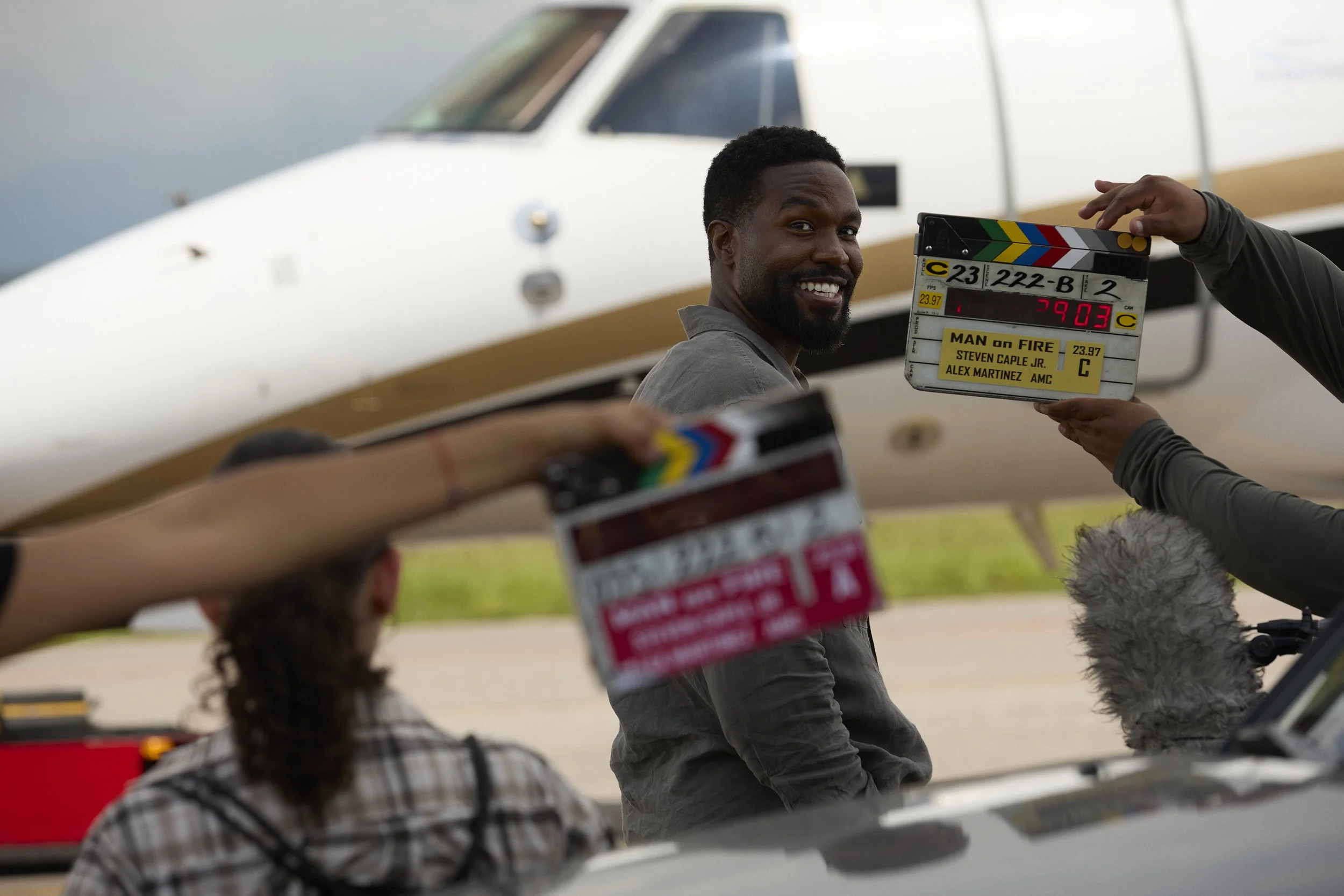
Cr. Juan Rosas/Netflix © 2024
Man on Fire has been adapted three times, and this is the first TV version of it. Were you familiar with the previous adaptations?
I knew and loved the Denzel film. I mean, how could you not if you’re a film fan? To be honest, I’m not familiar with the other adaptation, and you’re the first person to ask me about that. I should watch it!
I think the challenge with any IP is that you have to touch on it and watch it, because you need to know what’s come before and have reverence for it. The reason for remaking it is because it was so beloved, right? Then you need to quickly divorce yourself from it and say, okay, what’s my own version of this?
You scored it over a six-month period. What was that experience like?
I think six months was perfect because it was fast. Everyone was very focused on music. Whenever I sent ideas, I got a reply back from the whole team very quickly, which was great.
What that did was create a really great flow. When I did revisions, I heard back immediately. That’s the best feeling as a composer. When you know they’re listening to your work and they want it done, and they’re taking the process really seriously because they’ve got updates. I think it was one of the favorite workflows I’ve had on a project.
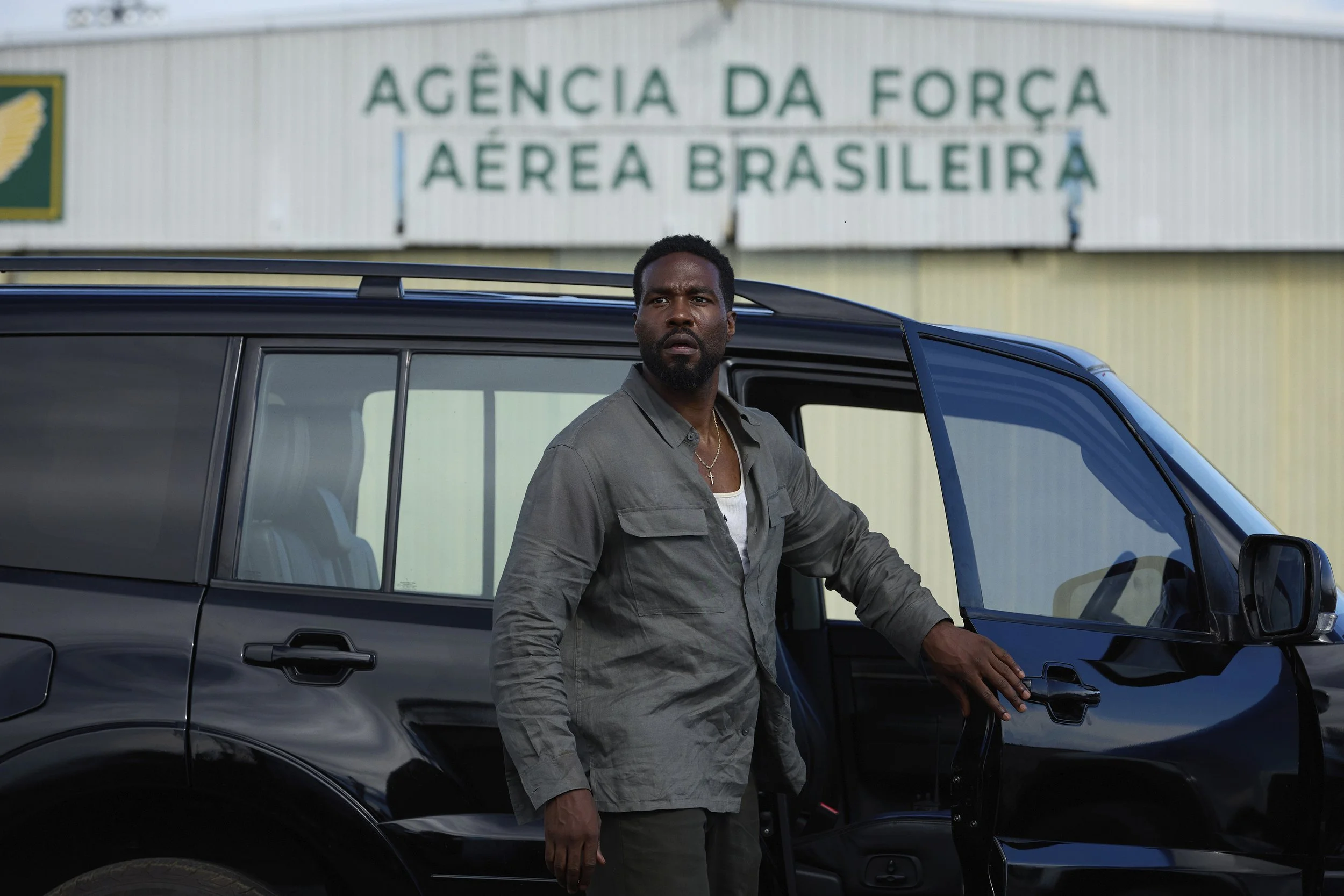
Cr. Juan Rosas/Netflix © 2024
In the first episode, we are taken to Brazil, which is a huge musical landscape to play with. What research went into looking at Brazilian music and how you are blending the American roots of Creasy into it?
One of the great parts about this show is that it gave me so much license to explore genres like samba and maracatu. I got to use so many cool instruments. I met this gentleman named Iúri Oliveira, a percussionist. Just to name just a few percussion instruments he played: caxixi, seeds, timbales, cajon, congas, frame drum, and pandeiro.
It’s not just that he played all these drums, it’s also having his brilliant mind as a collaborator. He knows how to blend these instruments and play these awesome rhythms. We would send him a track — episodes three and four in particular where the characters are in the favelas looking for information, looking for people. The life that Iúri brings to the score is just invaluable.
Finding great people to work with is one of the joys of life, but also the joys of being a film composer. There’s a great balance of you have created something, and then you get to bring in a great artist to enhance it, to bring it to the next level.
Going along those lines, you have the Brazilian vocalist Maroka Paris. How did he come into the picture?
The special part about his voice is that it’s not a bass voice. It’s really expressive, a little bit higher than you’d expect. It just transports you to this world where you feel for Creasy and you feel the inner pain he has.
Maroka also did some awesome vocal percussion in episode three and throughout the rest of the series. And to blend Iúri’s work and Morocco’s work, you couldn’t ask for a better combination.
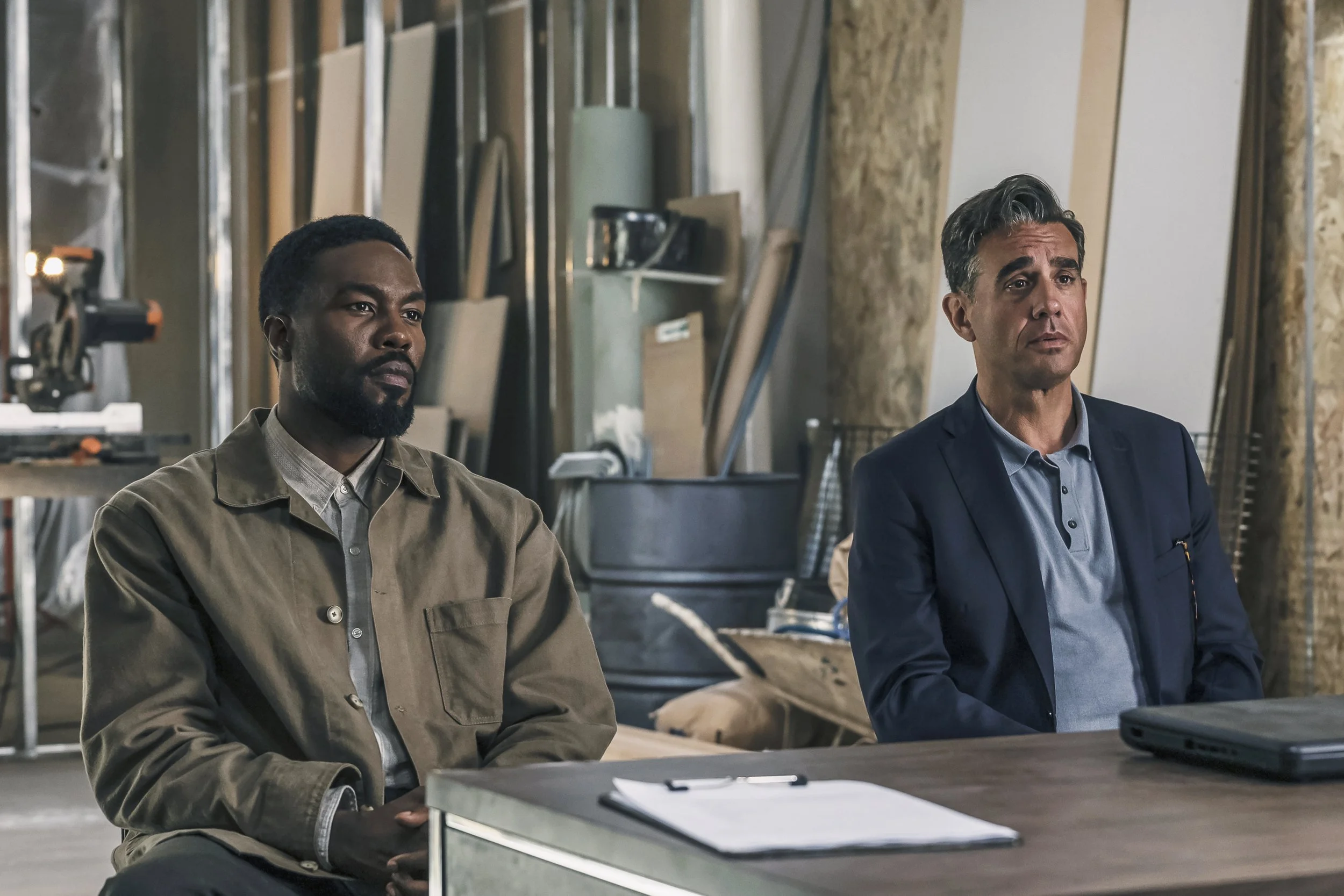
Cr. Juan Rosas/Netflix © 2024
What is vocal percussion?
It wasn’t beatboxing. This is something else. He’s imitating the sounds of a whole percussion ensemble, but he’s doing it with his voice. It’s almost like Maroka and Iúri were destined to be together. I could blend them or have them on their own. It was so cool.
You mentioned that the rhythms of Brazilian music are so important. How do these rhythms help you with the fight sequences that have a rhythm of their own?
Samba, maracatu, and axé are the dances we looked at. You have to live with that music for a little bit to start to get to know the accents. If you split each beat into four parts, you’re not going to utilize every single four-part of that beat. You might mute the second one or the fourth one, depending on what sort of vibe you’re going for.
Percussion is one of those really tough things where it’s not quite the same analysis process as it is for Western classical harmony. You have to put on a different hat, really be patient with yourself, and oftentimes slow down the music when you’re creating it. Really paying attention to knowing which beats should be muted and which beats should be accented will start to get you into the right zone.
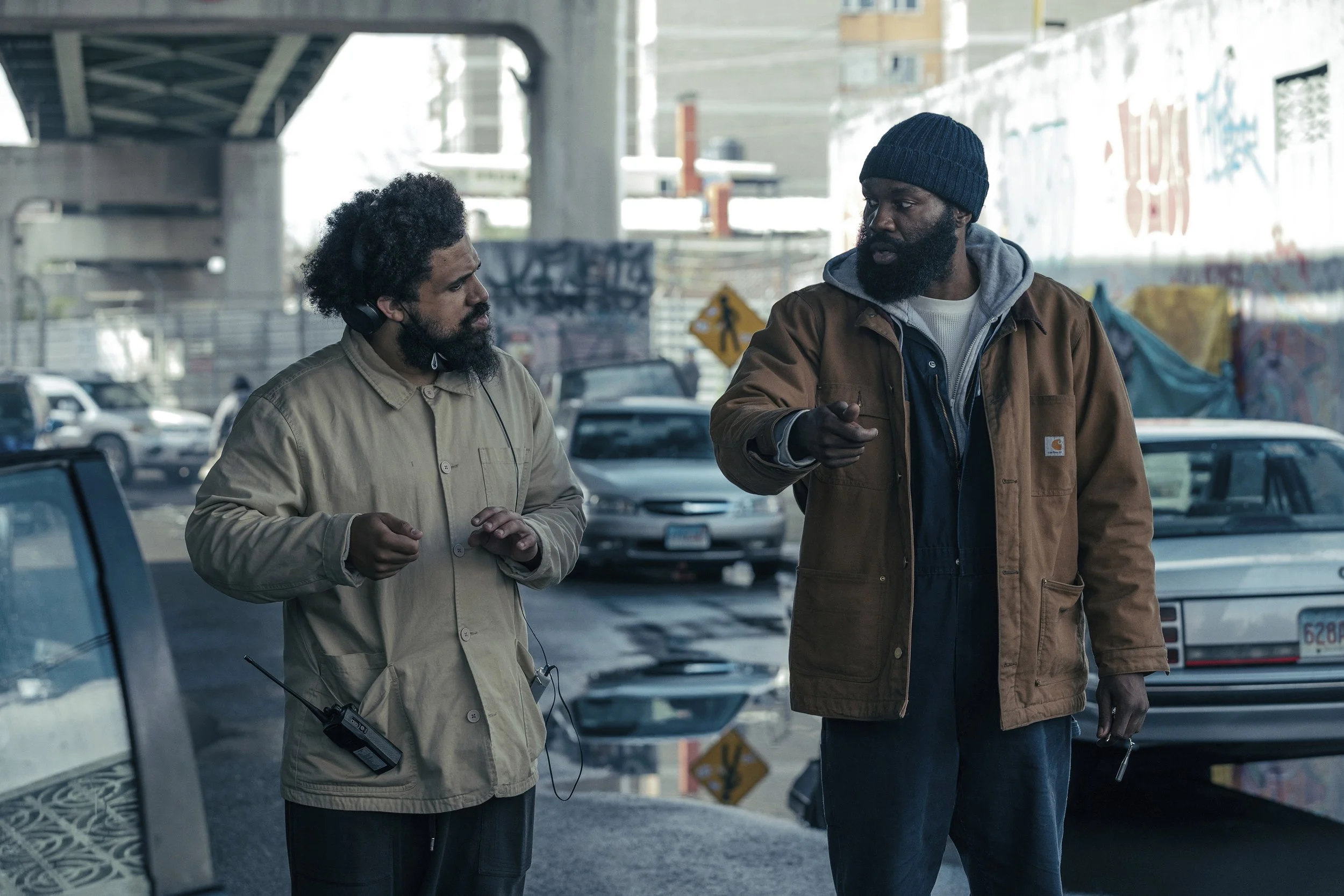
Cr. Juan Rosas/Netflix © 2024
When the audience meets Creasy in the show, it’s in the aftermath of this horrible event in his life. He has to go on the journey of finding himself again, finding his strength. In what ways are you manipulating his theme from the beginning, when he’s at his lowest point, to the end, when he is triumphant?
The first minute-and-a-half or so is so internal. You can tell that a person feels small and he’s on his back foot. He’s on the mend. Over the course of that track it really mimics, in my opinion, his journey as a character.
As we start to progress, he regains his step. You see that he’s powerful and bold. Instead of the theme being played quietly and on a softer electric violin and a soft flute played by Sandro Friedrich, by the end we’ve got a whole orchestra playing it, which we recorded in Budapest, which was awesome.
The theme explodes in these trading descending lines. When I initially wrote the team, I thought, oh, these descending lines should be the main theme, but it was too busy for it to occur earlier in the show. It just seemed to work better when the dynamics were double forte and when we’re celebrating, we’re seeing something magnificent Creasy’s doing.
Episode seven is being called “musically ambitious.” A lot of people might not be at episode seven yet, so what can you say about that episode and why is it so ambitious?
It’s basically an hour of music. It’s close to a film’s worth of music. It does the most emotional stuff, it has the most action, and it does a little bit of everything. It’s the best possible canvas as a composer, because you get to look back at all six episodes and say, okay, we have so much to draw from. By the time you’re at seven it’s fun because you know what works, you know what doesn’t, and you have all the information you need to have a blast and be the most creative you can be.

Follow me on BlueSky, Instagram, Letterboxd, TikTok, YouTube, & Facebook. Check out Movies with My Dad, a podcast recorded on the car ride home from the movies and I Think You’ll Hate This, a podcast hosted by two friends who rarely agree.
Support Your Local Film Critic!
~
Support Your Local Film Critic! ~
Beyond the Cinerama Dome is run by one perpetually tired film critic
and her anxious emotional support chihuahua named Frankie.
Your kind donation means Frankie doesn’t need to get a job…yet.