
“This is a trial about personhood,” the bailiff (April Matthis) tells the jurors of The Plea. Directed by Dean Imperial and Zach LeBeau, this movie sees twelve jurors tasked with deciding if a medical employee who accidentally knocks over a tray of embryos should be tried for manslaughter. It’s a court case that could set a precedent going forward, and the jurors feel the weight of their decision.
Comparing one’s film to 12 Angry Men should not be done lightly. The 1957 movie is a juggernaut in almost every aspect of the production. It’s a taut morality play where twelve men from different backgrounds and opinions must decide the fate of a man accused of murder. The entire film, save for a few establishing shots, takes place in the jury deliberation room. It’s tense, built on the unrelenting nature of its circumstances. The audience doesn’t see these men outside the room, and so are as trapped as they are. Only small bits of personal information are doled out. Despite these restrictions, Reginald Rose’s script reveals exactly who these men are.
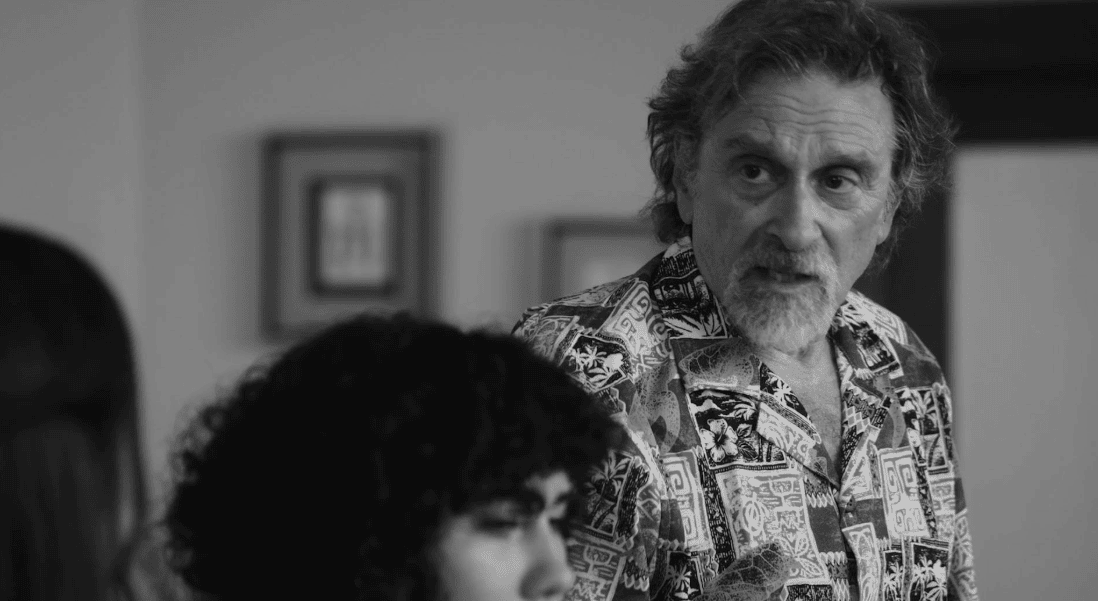
Image courtesy of the Woodstock Film Festival.
The inherent problem with The Plea, almost a full half-hour longer than 12 Angry Men, is that it tries to explain who each juror is with awkward exposition dumps that feel like stereotypes came to life. There’s no nuance, and that makes it a difficult pill to swallow. Even before watching the film, it’s easy to guess who’s going to make up the jury: a man who has an issue with pronouns, a trans person, a young person who’;s angry at the state of the world, a Boomer who thinks the young kids are too angry, etc. While it’s a more diverse room than the one offered by 12 Angry Men, none of the characters feel human. They’re just stand-ins for the sake of making arguments.
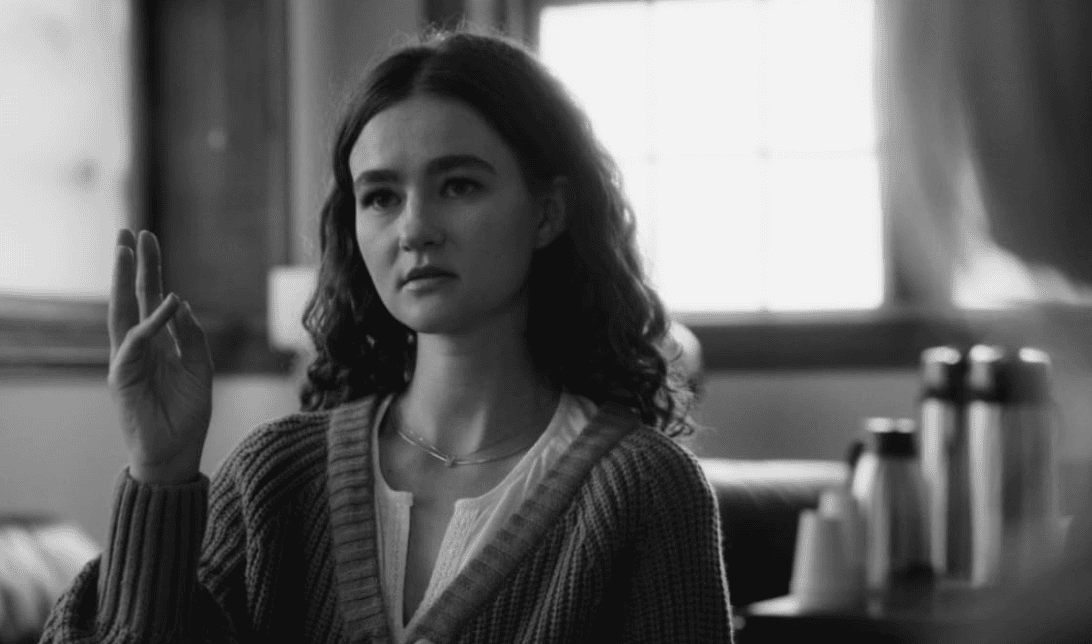
Image courtesy of the Woodstock Film Festival.
Perhaps more egregiously, The Plea takes the viewer out of the deliberation room. The film seems to be a 50–50 split between scenes in the deliberation room and those in the hotel where they’re staying. While it’s rare for a jury to be sequestered like this, when it happens, they’re allowed to have only limited contact with each other and aren’t able to talk about anything related to the trial. Not, as The Plea would lead you to believe, get drunk together each night at the hotel bar or meet in hotel rooms to discuss how to flip other members of the jury. This fundamental breaking of the rules of the judicial system makes it feel like the screenwriters were afraid to hash out the issues they raised. If you’re afraid to debate the concept of personhood in today’s divided America, then the entire film shouldn’t hinge on it.
What makes 12 Angry Men endure is the fact that a person’s life is in the hands of everyday people, and the film captures what feels like a true debate that could have occurred in a courtroom in America. What’s frustrating about The Plea is that it has a powder keg of a court case, but it’s so uninterested in engaging with it that the movie feels flippant. By allowing the jurors to be outside the courtroom, to have a break from the conversation, The Plea is letting all the air out of its proverbial balloon. This choice may have been the easier screenwriting route, but it creates a final product that lacks any sense of purpose in elaborating on the cultural conversation surrounding personhood.

Follow me on BlueSky, Instagram, Letterboxd, TikTok, YouTube, & Facebook. Check out Movies with My Dad, a podcast recorded on the car ride home from the movies.
support your local film critic!
~
support your local film critic! ~
Beyond the Cinerama Dome is run by one perpetually tired film critic
and her anxious emotional support chihuahua named Frankie.
Your kind donation means Frankie doesn’t need to get a job…yet.