
Tribeca: Misha Calvert Talks Finding a Way Forward in “Fault”
Writer/director Misha Calvert is no stranger to the Tribeca Film Festival. Her digital series, Strut, premiered at the festival in 2018, and Calvert returns with her short film, Fault. The film centers on Steph (Sarah Rich), an elite tennis player whose life is unraveling at the seams. When her estranged sister (Coco Jourdana) visits, Steph is forced to reckon with the trauma of her life and how intrinsically it’s tied to the sport she loves. Fault is playing as part of the Competitive Edge shorts program and will have its world premiere on June 4, 2026.
Fault was inspired by actor and executive producer Coco Jourdana’s real life. I’m curious how the two of you first connected. When did it become apparent that you wanted to tell this story together in this way?
Misha Calvert: Coco has been a friend for a long time. She initially came to me as she was dealing with the beginnings of this story in her own life with a family member. At first she told me she was having these memories come back, then she told me the whole story and said she wanted to make a film about it.
I said, I think that’s exactly what you should do. She had this fire in her and really wanted to help victims and survivors be believed more. That was the original impetus for the film. Two and a half years later, here we are.
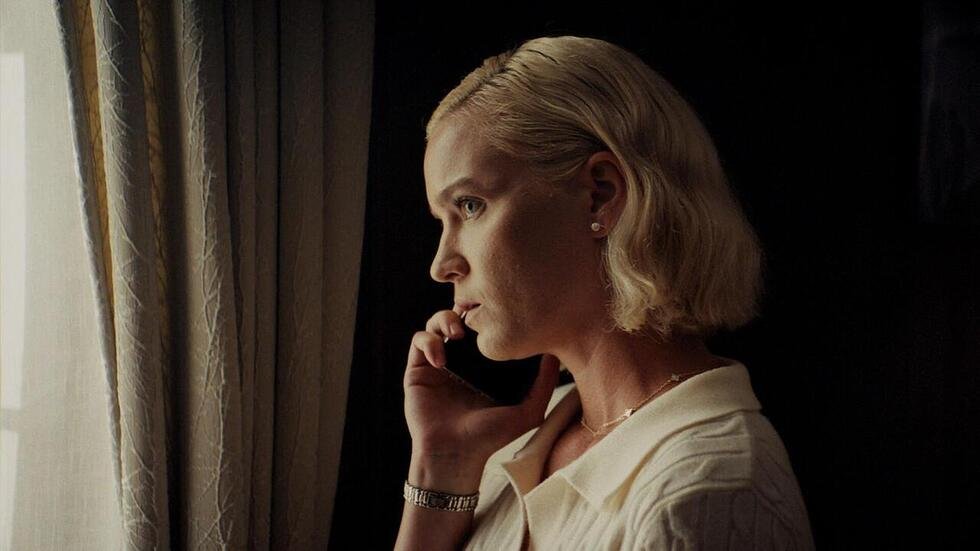
Courtesy of Robert Newman
As somebody who teaches tennis part-time, I’m curious if tennis was always a part of Coco’s story or if that was something added into the script?
Where were you when we were filming? You would have been great!
Tennis is helpful because I wanted to set it in a different environment than just Coco and her sister. That could be too close to home. I didn’t want it to be a documentary or an autobiography. I wanted it to be a story that is universal and that other people can really relate to.
By distancing the film a little bit and putting it in the world of professional sports, it opened up the story for Coco to maybe get a little bit closer to it and for me to be able to access it as well. Also, it’s just a visually cool metaphor for the faceoff between the two sisters.
You talk about how this was in development for two and a half years and then shot over the course of three days. What pre-production put you in the place to be able to do this?
It was in development for two years. We shot it half a year ago and then it’s been in post. The two years of working on it really metabolized the script over fifteen drafts. What that did was allow me to know exactly what was needed at every moment on set.
Also, it informed the shots we got to keep. We’d lost a few, unfortunately, but by that time I was an expert on the script. On everything about the script, even more so than Coco at that point.
It was cool to walk on set and be a true expert on the story we were trying to tell. That’s not always the case with directors. Sometimes they get onto their own set, even for a script they’ve written, and somebody else might know more about that script than they do, more about the story. That’s kind of a bad place to be as a director.
Was there anything about that shortened timeline of the three days that was easier?
Everything is hard. Everything is hard with a film. The fact that we lost shots was a little hard. We didn’t lose too many, but there were definitely, looking back on the cut now, which is done as of today, there were some shots that I’m like, oh, man, we should have gotten this or that.
I thought it was really interesting the way you use the automatic line calling as part of the tension building, but then also as this feeling of surveillance for the main character. How did that component come into the narrative? That feels a little in the weeds of tennis. Do you play?
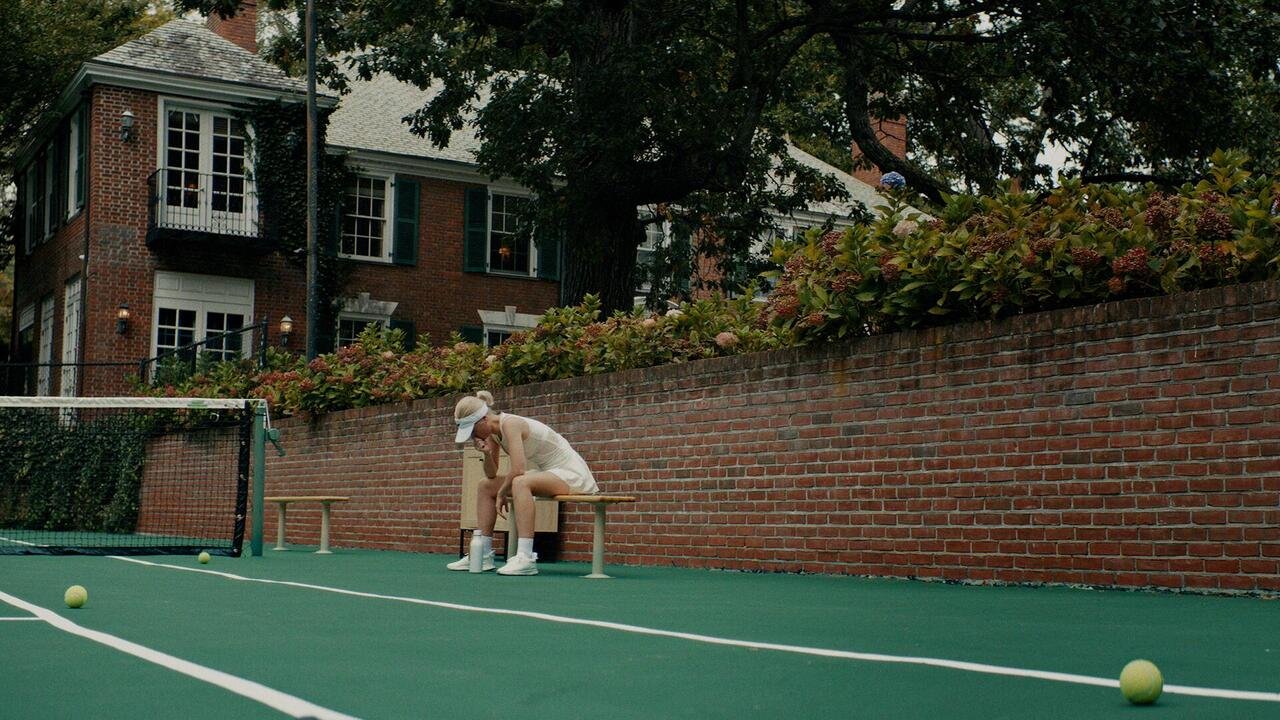
I have played. I enjoy playing. I was at an Indian Wells match a couple months ago and I heard the Hawk-Eye machine scream out “fault.” First of all, they say it so weird. Like the tone of voice. It sounds like a kangaroo or something shrieking. I thought that was one of the most startling aspects of the game. Of course you would put it in. If it’s screaming out the word fault, it’s like, how could you not include that detail in a movie like this?
Courtesy of Robert Newman
I think there are increasingly new ways to terrorize women and to terrorize people. The Hawk-Eye camera in the movie is meant to be the coach. It signifies the constant, not only surveillance, but scrutiny. Never being able to evade criticism and danger.
I’m glad that’s all coming across and in the right way because it was tricky to not let it turn into a sci-fi dystopian thing. To keep it grounded in a human story, but at the same time, as technology grows, it can be weaponized to hurt people and that’s not what we want.
You describe this film as a new wave of feminism, this idea of a primal scream. How did you decide that was what you wanted to vocalize with the film?
I don’t think it’s just for women. Obviously, if you look at the cases of abuse, some of the more high-profile ones of coaches abusing players, it’s definitely not just women. I mean, like you said, they bear the brunt of it, but this is really for anyone who is frustrated with more traditional, polite methods of protest or resistance. People who want to live a different life and get out of the oppressive or the abusive situation they’re in.
It’s like, when you’ve tried everything nice and it doesn’t work, at a certain point you have to stop being nice. Whether that’s ugly screaming or something else.
Even though this sport has brought so much pain to Steph’s life, there is a part of her that still loves the game. In writing and shooting the film, how are you achieving that balance of loving something that’s steeped in so much heartache and pain?
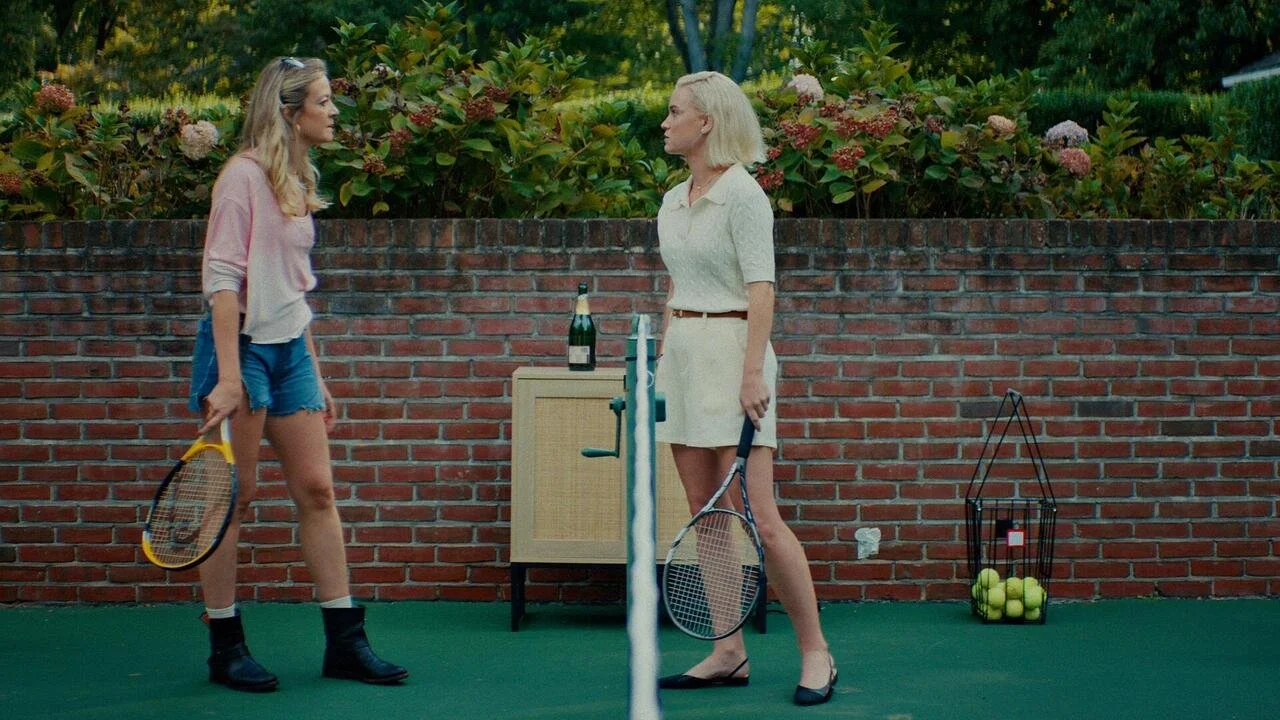
She’s grieving the loss of her childhood. She’s losing her coach…do we really want to take away one of the only other things she has left? She gets back her sister in the end and I would like to think both of them continue to play tennis. When so much has already been taken away from you as a victim, you don’t want something you love to also be corrupted.
Courtesy of Robert Newman
Let her have tennis. Hopefully she still plays. Maybe not at the obsessive US Open level. We see in the movie that this level of competition is taking a toll on her. Maybe she was pushing herself that hard because she was running away from something else. It kind of calls into question like, why are we driving ourselves so hard? What’s underneath that?
Your world premiere is on June 4 at the Tribeca Film Festival. You’ve played at Tribeca before, but how does it feel to be coming back? How does it feel to be premiering a tennis film in a city that loves tennis mere months before the US Open?
It feels great. I’ve been in New York for twenty years now. I love that we are world-premiering at Tribeca and I understand that platform makes a difference. These festivals, the Tribecas, the Sundances, the South Bys, they make a difference. Not only for the filmmaker, but for the actors, the cinematographer, and the crew. I couldn’t be happier. I am so excited for everyone to get the credibility and the profile from this screening, and I hope they get a lot of work and opportunities as a result.
Follow me on BlueSky, Instagram, Letterboxd, TikTok, YouTube, & Facebook. Check out Movies with My Dad, a podcast recorded on the car ride home from the movies and I Think You’ll Hate This, a podcast hosted by two friends who rarely agree.
Support Your Local Film Critic!
~
Support Your Local Film Critic! ~
Beyond the Cinerama Dome is run by one perpetually tired film critic
and her anxious emotional support chihuahua named Frankie.
Your kind donation means Frankie doesn’t need to get a job…yet.