
Composer Uno Helmersson Captures the End of an Era in “One Last Adventure: The Making of Stranger Things 5”
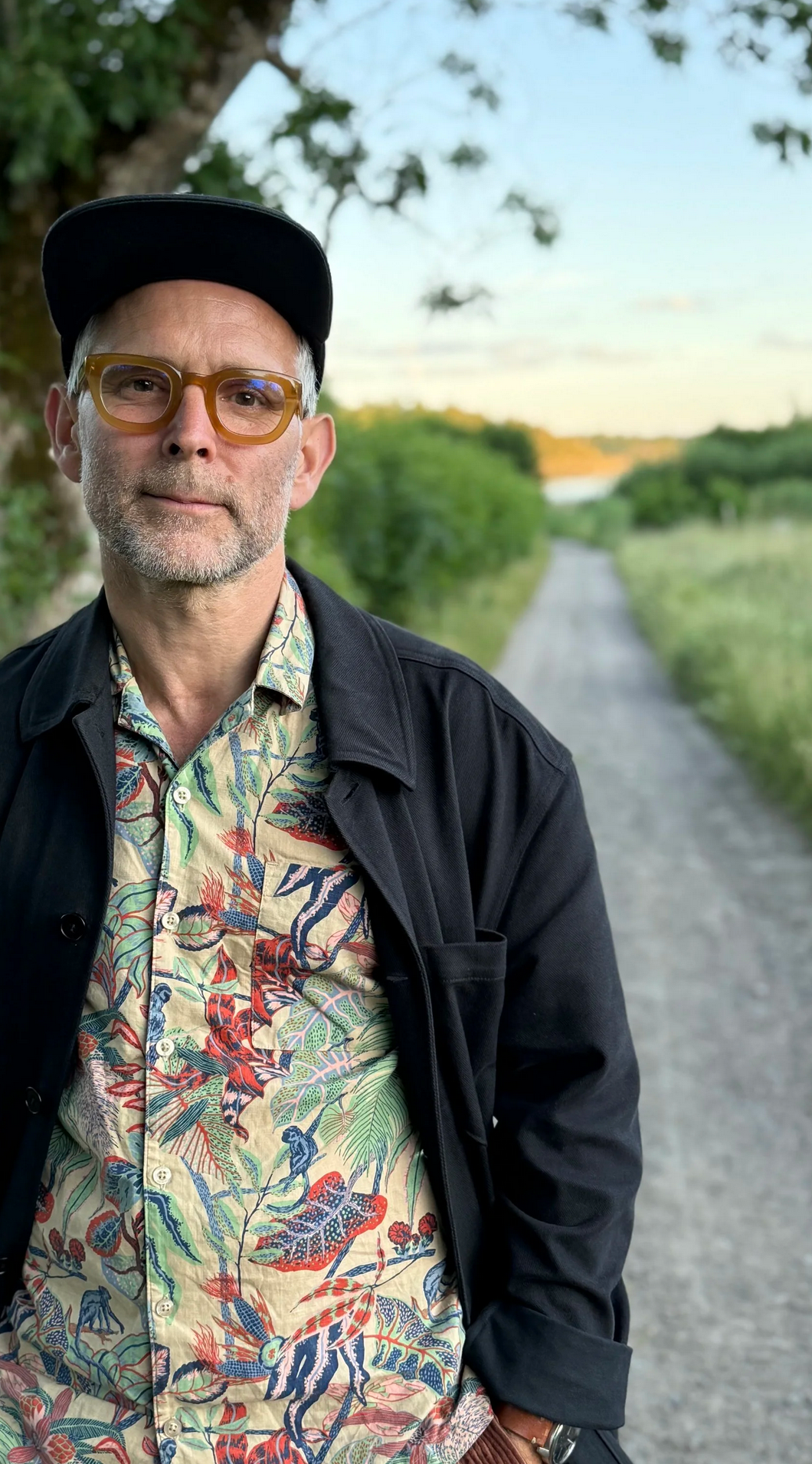
Courtesy of Uno Helmersson
Almost a decade ago, Stranger Things premiered on Netflix. The Stephen King and Steven Spielberg-inspired series would run for five seasons over the course of about ten years. The young actors, including Millie Bobby Brown and Finn Wolfhard, had their adolescence captured through the stories of Eleven and Mike. To celebrate the end of an era, Netflix produced the documentary One Last Adventure: The Making of Stranger Things 5. Shot during production of the last season, the documentary is a love letter to the franchise and the hundreds of craftspeople who worked tirelessly behind the scenes to bring the Upside Down and the 1980s to life. It was up to composer Uno Helmersson, who did not previously work on the series, to provide the score for One Last Adventure.
With composers, I’m always so curious if they have the same love for film and TV as they do for music. Where do you fall on the spectrum?
Uno Helmersson: I was studying at the Royal College here in Stockholm. I mainly wanted to be a musician and play in jazz bands. I actually became a parent around the same time I came into college so I had to rethink a bit.
If I play in a jazz band, I’m going to be out all night and weekends, come home at four in the morning, and my wife and my kid are going to be asleep. When they’re at kindergarten and work, I’m going to be back home just feeling like I don’t know what to do with myself.
It was a bit of a mindfuck in that sense, so I thought, okay, what can I do? What’s my passion? I also realized, okay, I’ve been writing music all my life. I had this class in film composing at college. I was like, this is great, I love film, I love to write music, that’s what I’m going to do.
I took classes in film composing and arranging. I became an intern with a famous Swedish composer, Johan Söderqvist. After a while, he took me and another composer to work on a TV show called The Bridge, which was like a Scandinavian noir. Now it’s twenty years and ninety projects later.
In your ninety-plus credits, you’ve done documentaries and you’ve done narratives. Does your process change at all based on the genre you’re working in? Do you feel like the role of a composer has to change when you’re in a documentary space and when you’re in a narrative space?
I would say a story is a story told by someone, you know? Of course there are distinctions between documentary, feature film, TV shows, and so on, but it’s about time. It’s about the structure of the process. Working on a documentary, you don’t know how it’s going to end. With a feature film, you have the actors, you have shooting days, and you have an ending.

Cr. Courtesy of Netflix © 2026
How I write music is pretty much the same. I try to make myself do something new so I don’t get tired of myself. I would say that maybe you get a bit more freedom when you do documentaries in kind of trying to explore something or press the boundaries. Sometimes you get to do that in film also.
I love sounds. I have my synthesizers, a lot of instruments, from woodwinds to brass to string and percussion, all in my studio. I play by myself to start, and then I bring in musicians sometimes to make it better because I can’t play it all.
How do you begin a project? Do you start sketching to picture?
I start in my mind. When I get into a project, I talk to the director and editor, see footage, get mood boards, read scripts, and then I start to think. For example, with this Stranger Things documentary, director Martina Radwan and I had a lot of really, really giving conversations about music, art, and all that. We called the show the machine because this universe is so big. When you go into it, you just get consumed by it. You’re just one little small piece of the cake.
I started to explore that and I started to record things. Electronics. Stretching them and just doing different kinds of things. You can actually hear that in the score, like there’s some kind of machine inside of it. Then you have the emotional parts. You start to think about the young actors who started season one, episode one, and a decade later, it’s season five and the finale. It’s a coming-of-age story for real for these young people.

Cr. Courtesy of Netflix © 2026
How do you manifest that in music? I start with my mind, that’s the intellectual process. Then you start to write and you start to do. Part of the process is just to let go. When you’re open, you see the unexpected. Things happen and you don’t know where you’re going to go, you just know you want to try something and explore.
I mainly start to work without image because when you work to image, you get hypersensitive and you start to take out things. I don’t want to do that. I want to create music first. I try to work with only music and then I go in and when I see it with the image, I say, okay, no, that doesn’t work.
You need the process of imagination because when you see the image you can’t imagine what could be. You just do what you see.
A lot of other composers that I’ve interviewed have talked about sketching with a piano or their instrument of choice while watching the film or show. This is a very fascinating divergence from that.
The thing about music, to me, is the abstraction. I think that is important to have. This balance between no music and music, where the score should go in and out. That takes a long time. I did an action movie where you have a lot of cues and you need to find a tempo. That’s more functional, you know?
I try to be in the characters’ minds with my music. I try to go into some kind of musical manifestation of their feelings at the moment or whatever it is. Maybe there’s a sad or heartbreaking scene, but the character might feel relief. That’s the key, to write to that true emotion.
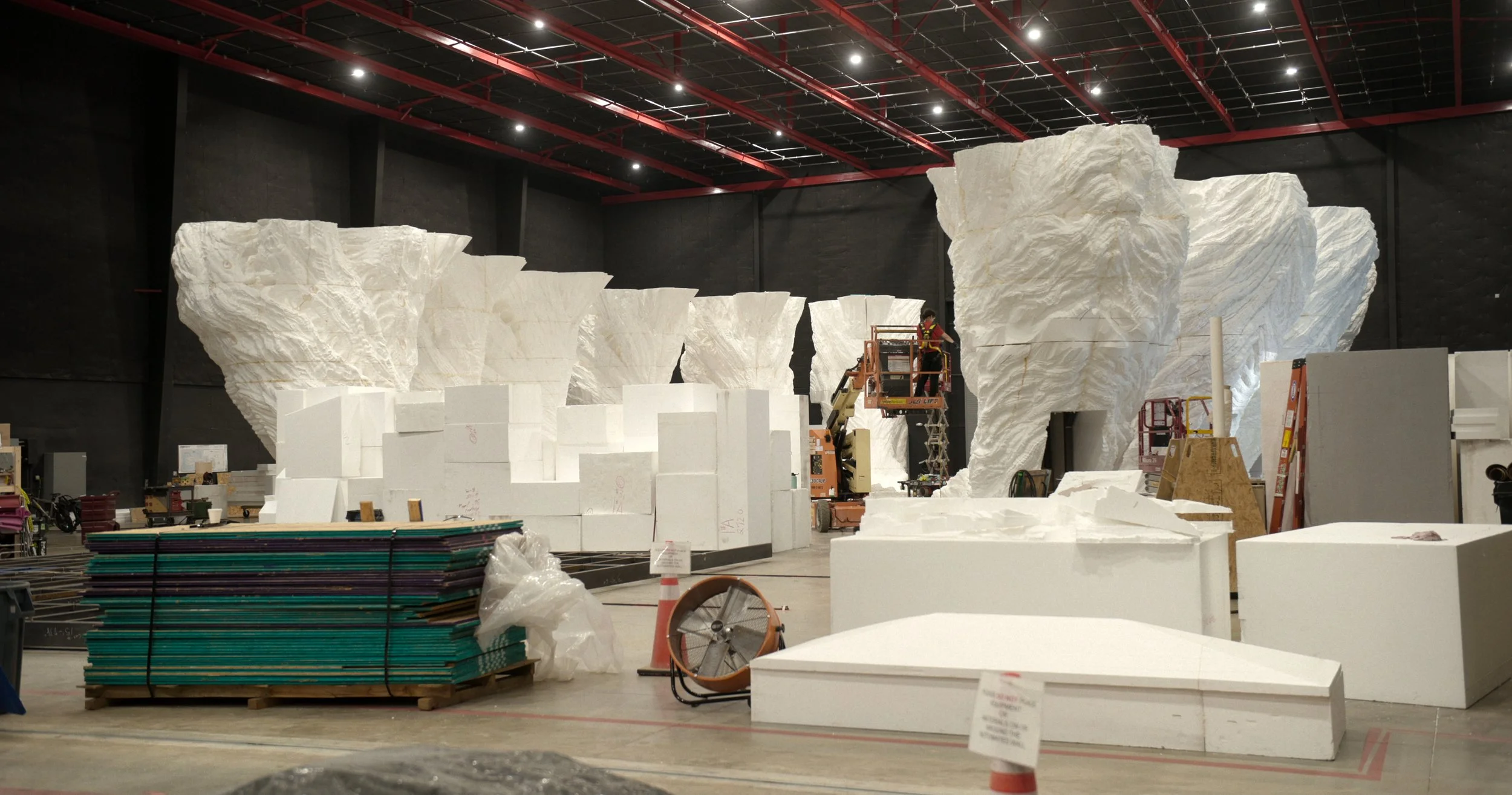
Cr. Courtesy of Netflix © 2026
With Stranger Things, you’re coming in to write the score for the documentary about the making of a show that has honed its own sound for a decade. Did you ever think about or listen to the scores that were part of the earlier Stranger Things seasons to create connective tissue between the documentary and the actual series?
I did think about going in that direction for a short while at the start of this process. It was a brief thought because it’s a fun world to live in. I missed seeing the series as a viewer. I followed the series with my kids. When it came out, it was this kid movie with horror. I mean, that’s a dream come true. I read all the Stephen King books and all these horror books when I was a kid, so the whole realm of Stranger Things was amazing.
The thing is, this isn’t Stranger Things. This is a documentary about the craft. It’s a tribute to the craft. It’s a film about filmmaking.
I used synthesizers because I wanted to, but I used modern synthesizers and weird synthesizers. I tried to twist it a bit more, and I made them sound organic. I then used acoustic instruments and mixed it together and it became what it became. I wanted to make it a bit synthy in that sense. I didn’t want to do a classical score or anything like that because this is a modern story about, well, it’s not a super-young art form now, but the medium of film.
I love the scores for the series. I think they’re brilliant. They’re spot on. If I would have tried to match those scores, I think it would be just weird like, what am I watching? It sounds like the show, but there are other layers of reality.

Follow me on BlueSky, Instagram, Letterboxd, TikTok, YouTube, & Facebook. Check out Movies with My Dad, a podcast recorded on the car ride home from the movies and I Think You’ll Hate This, a podcast hosted by two friends who rarely agree.
Support Your Local Film Critic!
~
Support Your Local Film Critic! ~
Beyond the Cinerama Dome is run by one perpetually tired film critic
and her anxious emotional support chihuahua named Frankie.
Your kind donation means Frankie doesn’t need to get a job…yet.