
Lexie Bean & Logan Rozos Talk Healing in “What Will I Become?”
Lexie Bean and Logan Rozos are the co-directors of What Will I Become?, a documentary about a vulnerable community. The American Academy of Pediatrics estimates that over 50% of transgender boys have attempted suicide. Six years ago, Rozos and Bean first had the idea to make a documentary about trans boys. They weave their personal stories with those of Blake Brockington and Kyler Prescott, two trans boys who died by suicide,to create an urgent piece of honest, empathetic filmmaking. When Bean and Rozos first conceived of this project, they could not have realized the current state of transgender rights in America, which makes What Will I Become? even more essential.
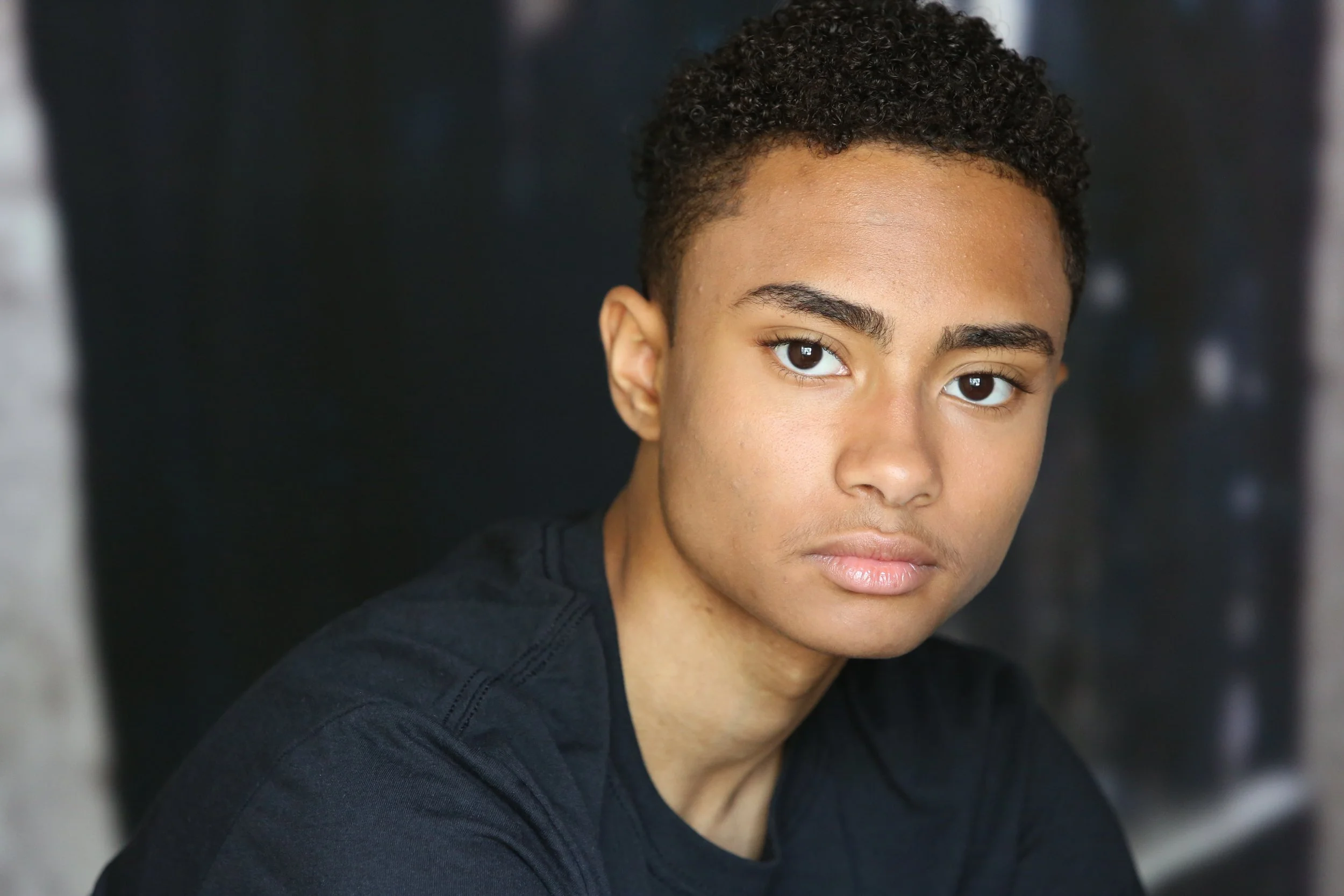
Logan Rozos. Courtesy of What Will I Become?
I’m always curious about how people realize they can be friends with someone and also work with them. Could you talk a little about how you met and how you realized you could do something in a professional setting together?
Logan Rozos: We both are sort of multi-hyphenate, mulit-medium artists. We’re two trans people, both doing some acting, some writing, some stuff around New York, and we ended up in a lot of the same rooms.
Making the documentary was a big leap of faith because we hadn’t worked on anything smaller before deciding to do a feature together, which, if this wasn’t our first feature, I’m sure we would not have been impulsive enough to do that.
Because it’s our first feature, we didn’t know how long it was going to take. We were both like, we’ll be done in two or three years. It has been six years.
I had respect for Lexie’s work and commitment to community. I thought this was a really specific and emotionally impactful idea he’d had, so I was excited to join.
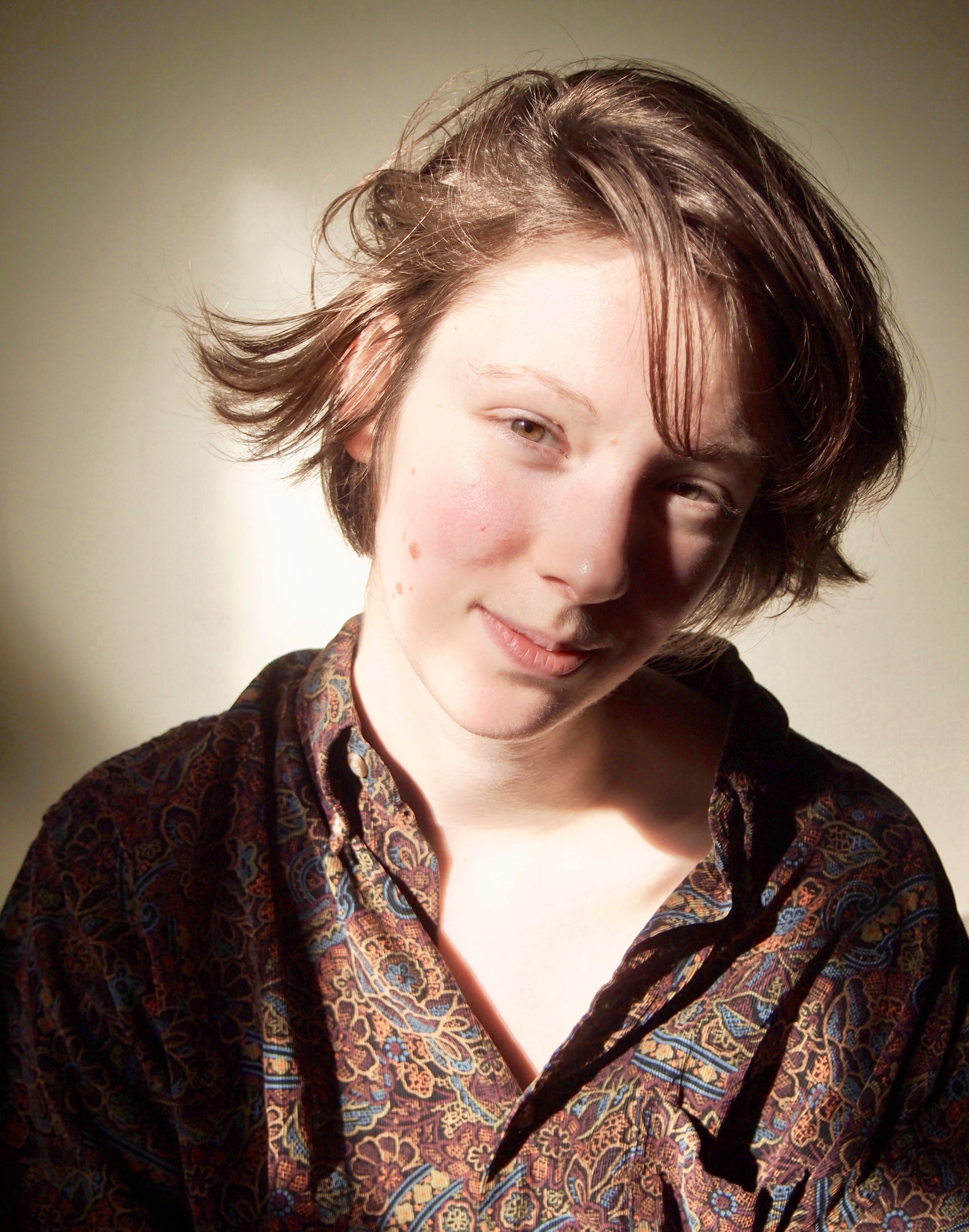
Lexie Bean. Courtesy of What Will I Become?
Lexie Bean: We also started to work on this in the pandemic, so I think that added to not having the strong sense of how time works. Just being like, yeah, now’s a good time to work on something, right?
I think sometimes the best things are not always super thought through. They come from a deep place of listening or impulse. I wasn’t making a secret list at home being like, here are all the people I want to ask to be a co-director on this. One day, I was in my kitchen and thought, Logan would be amazing to work with on this for so many reasons.
My last thought to this really interesting question is that I think I knew this wasn’t going to be the kind of film I could safely direct alone. It was also a time to have accountability, to be around friends, or someone who I trust. I’m very pro having an excuse to keep friends around when doing something hard.
I stumbled upon your article on Autostraddle back in 2021. Could you take me back to that time and talk about how the project has changed to what it became…not to make a play on the title of the documentary.
LR: A thing I’ve said a lot in Q&As is that I’ve been so many different versions of me while making this. We’ve lived in so many different versions of America while making this that I think what it needs to say or what I would like it to say has changed a lot.
In more tangible terms, I think we originally thought maybe we’d do interviews with a dozen different people and they’d form a chorus of voices. At one point we had three subjects instead of two. For one of them we just didn’t have access to the people close to him. There wasn’t the documentary evidence that we’d hoped for about his life. His story ended up going away, which is something I feel a certain amount of grief about.
At the same time, I’m really satisfied with the way we told the two stories we did pick, and I wouldn’t have wanted to do less of a service to someone else’s story.
Also, us being in the film got added pretty late. I think because of the sheer amount of stuff and people in the film, we needed someone to guide the audience through it. I think people also want to know who’s behind the camera when you’re talking about something this sensitive.
What are your stakes in this? How do you relate to this community? People don’t feel like there was something exploitative happening or that we’re withholding anything about our personal positionality.
You mentioned that one of the subjects didn’t make it into the documentary. It’s similar to Kyler, who’s in the documentary, where there aren’t that many videos or pictures. I’m curious how you talked about this with Kyler’s family.
LB: Great question. I’ll also say the name of the person just to acknowledge and honor him. His name is Andrew Martinez. At the time of starting this process, Andrew’s death was more recent. Blake and Kyler had died a few years prior, where Andrew, I think at that point, had only been dead for a year. I think people’s process of grieving and the timelines of grieving impacted access, and understandably so.
Overall, I would say most of the people we ended up interviewing ultimately thanked us because they had been grieving alone. Suicide is so, so taboo that people in their own lives weren’t asking them about someone they were loving and missing because they were afraid of triggering them.
Which is to say, I think the amount of time and isolation had passed or had been experienced by various people we interviewed and they were maybe wanting or ready to have the chance to make sure their loved one was remembered in certain ways. Like the responsibility of the living.
A lot of the people we found to speak to we came across by reading news articles. With Blake, there was quite a bit of a ripple effect of, well, you gotta talk to this person, this person, this person, this person, this person. There are so many people Blake loved who we did not get to include because we wanted to center on Blake speaking for himself.
Kyler was a very different experience. It was much less of a you should talk to this person, this person, and this person. It was his family. They were very gracious with us. Katharine had spoken a bit about Kyler on various platforms. She was already an activist speaking about Kyler, but that doesn’t mean she owed us anything.
LR: I think there’s a balance between Blake and Kyler in that way. Kyler’s story is told in a concentrated way with not a lot of imagery. Blake’s is told by a lot of people, but primarily himself. Obviously, each of those came with its own responsibilities and pressures to get right, but that also creates an interesting contrast of the different ways people can have a legacy or be remembered.
Courtesy of What Will I Become?
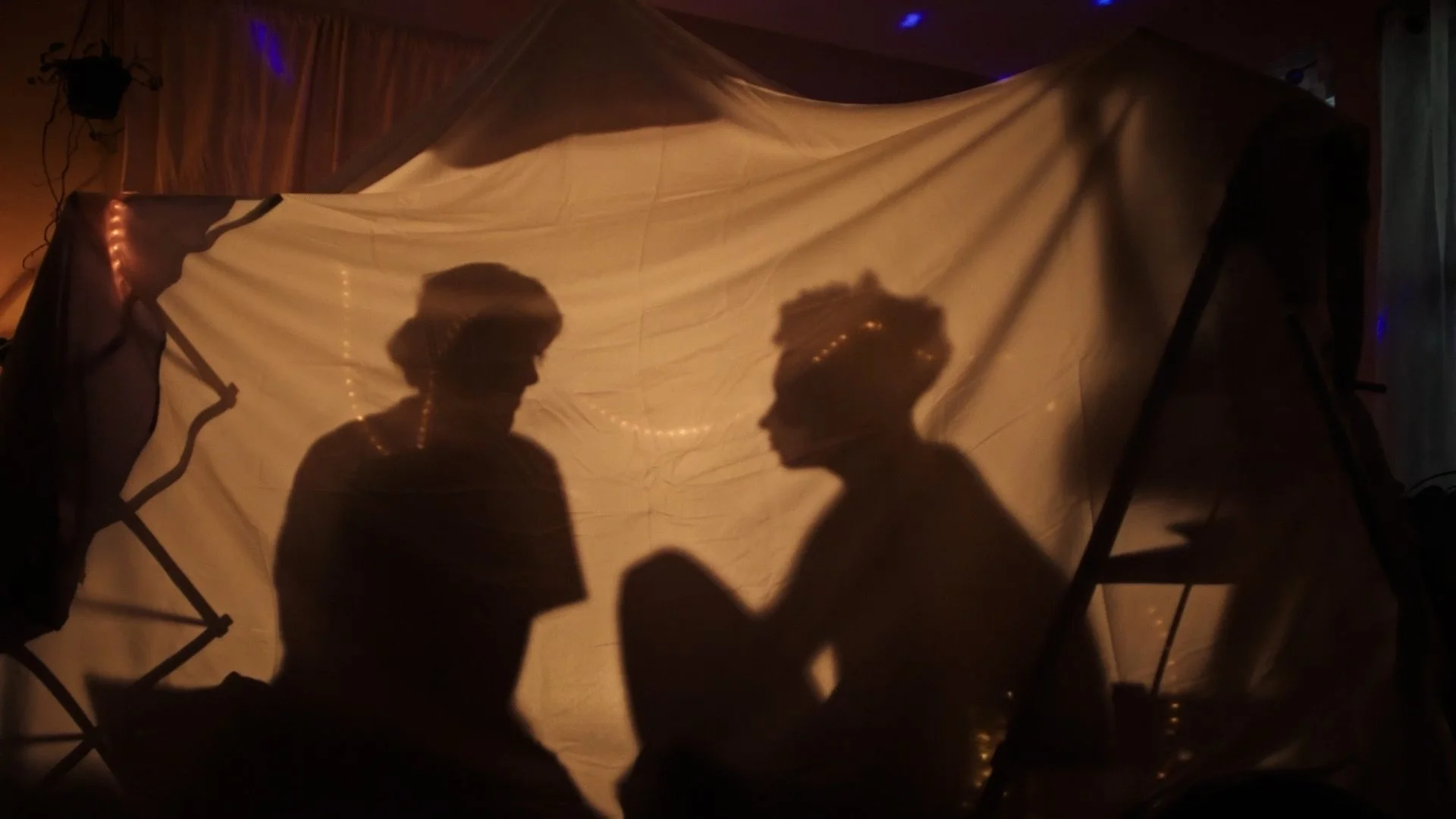
You mentioned already that the addition of the two of you in the film came later, but I’m curious about the blanket fort framing device for the conversations you had in the film.
LR: We sometimes called it the slumber party scene when we were planning it. It felt like we were telling secrets and it felt protected. I think especially with how hostile the outside world feels sometimes to me in life and also to our subjects in the film, having a space that is literally, physically insulated and secretive felt like a good way to bring it all together for the audience.
LB: I think something that’s interesting about the blanket fort is — I think this true for a lot of trans people, divergent people, trauma survivors — but being in a room is not enough. It’s not enough to feel safe from the outside world. Sometimes you need a room in a room in a room in a room.
I was excited to include footage of us building the fort at the beginning, because so much of when trans masculinity is healthy and safe is when it’s like, okay, here are some materials. Some of them are useless and some of them we made ourselves.
There’s a sweet little poem in there about using what you have or find, then trying your best to build something out of it. You hope it’s stable enough. You hope it doesn’t fall down on you, but if it does, hopefully it’s manageable.
As far as the directorial aspects of the film production side of things, how did you split it? Was one of you more interested in keeping track of emails, budgets, and things like that?
LR: The emails and budgets, I have to give all the credit in the world to our lead producer, Drew Dickler. First of all, she had so much experience in the industry that we didn’t have yet. Also, she was really good at being both a creative producer who had a lot of useful notes, provocations, plans, and strategies for us, but also handled all of that day-to-day stuff we were still learning.
In terms of splitting creative work, it felt like we did a lot of things by consensus. There was not a lot of, oh, I’ll plan this scene and then you plan the next. It was more like, I have this idea and let’s talk it out for a while. The leisurely pace with which we made this film made that possible.
We both came into the project having the most interest or inclination toward the actual talking to our subjects side of things. We were learning a lot of the technical stuff on the fly and a lot of the story structure stuff on the fly. If I did it over again, I might have been like, I should learn more about how things work before I start this. I’m inordinately pleased with how it turned out, based on how little I now realize that I knew.
LB: We benefited so much from having a more experienced DP, Fletcher Wolfe, and editor, Miles Hill. Both are people who are thematically very connected to the film through lived experience. Shout out to Fletcher and Miles for never making us feel silly. Both of them were so kind and generous in the ways of letting our own ignorance be a gift to the process.
Courtesy of What Will I Become?
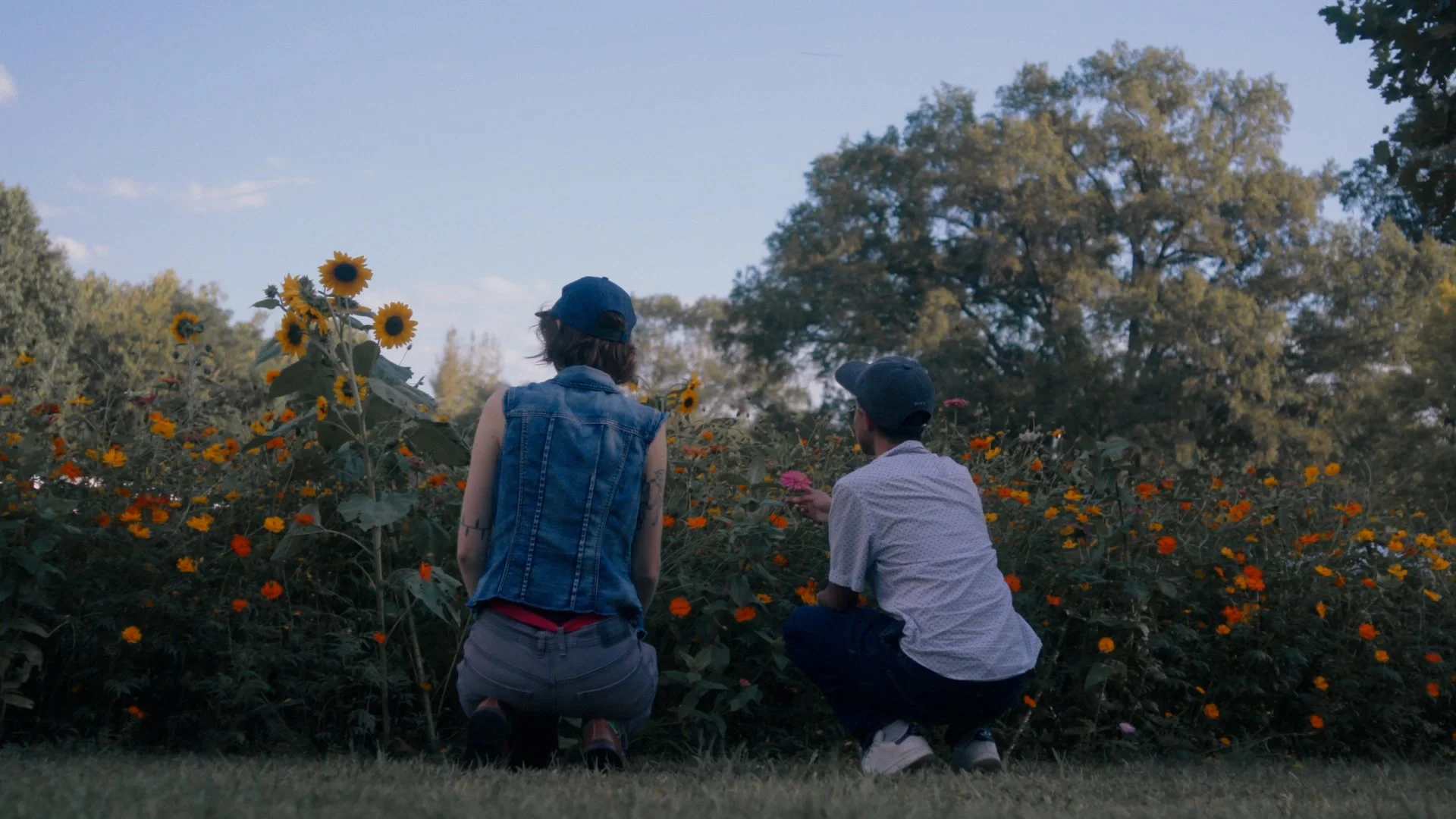
For example, the song in the middle of the film. Had I gone to traditional film school, maybe I wouldn’t have wanted to drop a music video in the middle of a film. I think because we had less of an idea of how it’s supposed to go, that freed us in a lot of important ways, and that’s something I don’t want to lose going forward.
More explicitly to answer your question, I have a chronic illness and sometimes, at the last minute, I can’t do what we’d planned. Logan has been really kind and helpful by taking some meetings that I just couldn’t physically show up for or when I needed to take a backseat.
LR: I did all of college while we made this film. I would be like, I’m doing finals, so if you could take this meeting. It was about being flexible, accommodating, and finding creative solutions for that.
Also, Lexie is coming from the world of being an author, having a very different sort of story sense, which I think adds to some of the cool structural things in the film. This is my first film, but I’ve been a film obsessive and a really great film watcher my whole life. I think I borrowed a lot from narrative film when thinking in my story instincts, which created a cool hybridity in our creative approach.
Tumblr is a huge part of Blake’s story. I was part of that Tumblr generation and, Logan, you said that that was also a big part of your life. What do you feel Tumblr offered trans people in learning about their identity?
LR: The first social media I had was Tumblr, because my parents knew what Facebook and Instagram were. They didn’t know what this was. It was full of queer and trans people with always a very low proportion of straight people on it. For whatever reason, also a high percentage of nerds, which I think leads to having a lot of queer people.
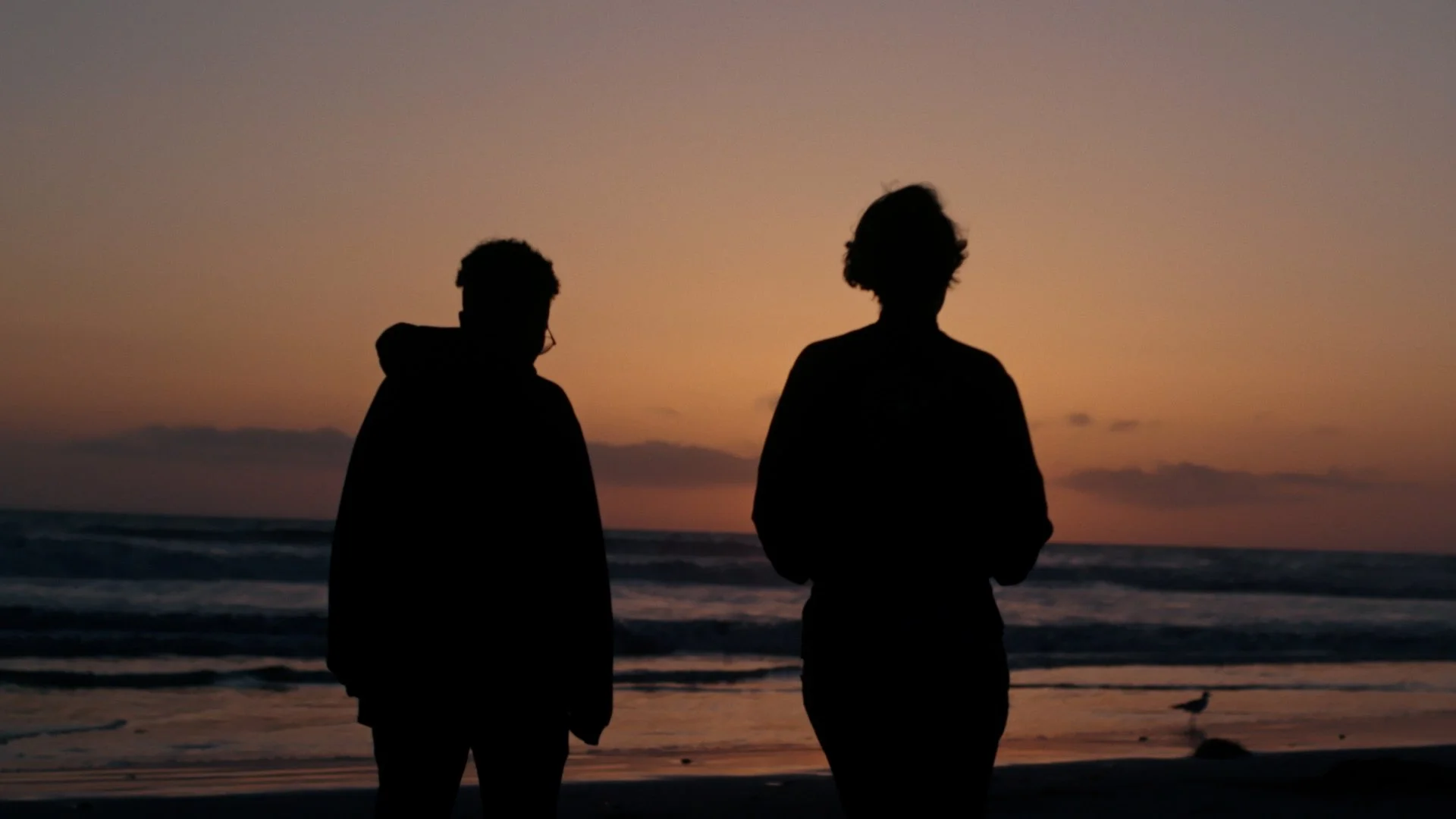
I learned a lot of my politics, for better or for worse, from infographics about feminism and learning what different labels under the queer umbrella mean. Tumblr suffered a lot when it was bought by Yahoo. A lot of Black bloggers were pushed off the site and banned for unfair reasons and etcetera and so forth.
I don’t think Blake lived to see the Yahoo version of the site, but it is unfortunate that it feels like there’s no analog anymore. People aren’t blogging like they used to. I don’t know where young people are getting their first connections with other queer people online or where their first discussions of politics and political history are coming from. Especially at a time where I don’t think the left in the United States is at its most organized right now.
I feel very lucky to have at least been surrounded by other people trying to figure out their identities, commitment to their community, and politics at the same time as me.
Lexie, were you ever a Tumblr kid?
LB: I was a Myspace kid. I loved the quizzes. I would say I discovered Tumblr too late. One of my early queer grievings was interacting with something that I know would have been really nice and helpful for a younger version of myself. I just missed the boat.
I feel like that’s been, for better or worse, a lot of my experiences in my coming out journey. I came out as trans when I was 26. Something that was really hard at the time was that I was aged out of most of the resources. Most resources go up until 21 or up until 25 even, and that was really heavy.
I do think something that contributed to my suicidality around my coming out was feeling like resources weren’t for me, even if they were for me. All that to say, it’s important to make things in spaces and resources explicitly for trans youth. I think the concept of what youth is feels complicated, if that makes sense.
In many ways, this feels like a documentary you’ve been working on for your entire lives. What does it feel like to put it out in the world in this way?
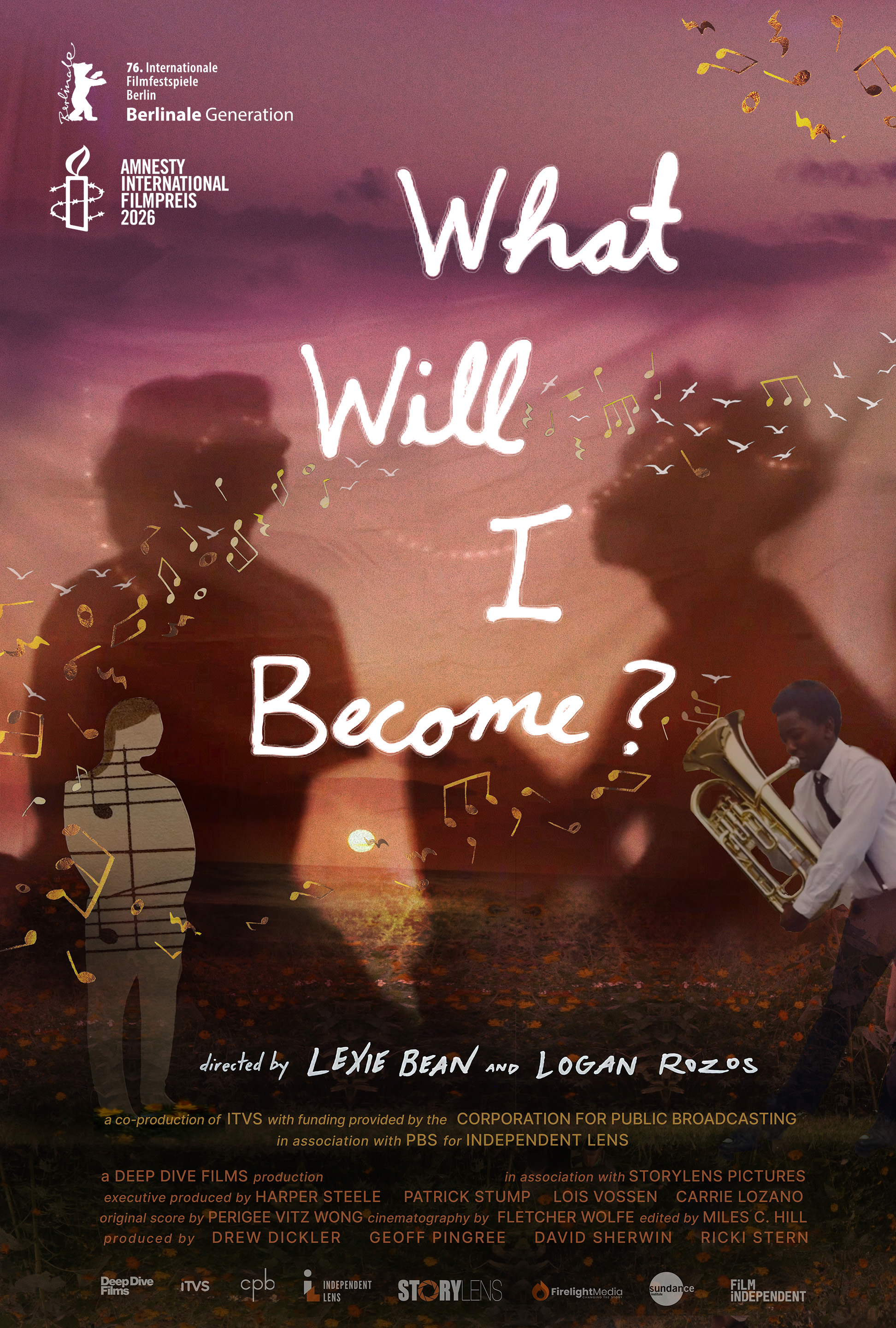
LB: I feel like this is just another stage of the process. I still see another two-year road ahead. This year is festivals, next year it comes out on public media. It’s going to continue to be relevant, profoundly relevant, with everything that’s going on in this world and this country.
Courtesy of What Will I Become?
I feel such an honor and responsibility to provide this resource to people at this time. We’ve got a road ahead. Sometimes, when I look at the two years ahead, I’m a bit daunted or even scared about what additional levels of visibility mean for me and Logan and our participants and Blake and Kyler. I look ahead and I think to myself, wow, what an amazing thing to be able to offer a tangible resource right now. We knew when we were making this film, we knew transphobia was not going to be solved by the time it came out, but I think I did not quite anticipate where we would necessarily be upon its release.
It’s a huge privilege, huge responsibility and gratitude for making the most of our survival, even though just surviving is also totally enough too.
LR: The main thing is that I want to do a service to the subjects of the film and to their communities. It feels good insofar as I feel like I’ve told their story and their families and loved ones are happy.
Even though it was on a lot of personal themes and things I’ve experienced, I want this to be mostly about serving the people who need to see it and trying to divorce that from my sense of self. Hopefully I’ll make many other things in my life that will also feel like, oh my God, this is the whole thing and I’ll have to know that those also aren’t the whole thing. That isn’t my life’s work. That everything is just a piece of the puzzle.
LB: Sometimes, for better or for worse, I have a tendency to think of everything I ever put myself in as my life’s work because I think I’ve lived so much in my life with the mentality that I’m not going to live long enough to do another thing.
Part of working on this film and releasing it is acknowledging the ways in which both Logan and I do have futures, and learning how to own that in the context of transness or suicide survival is really interesting.
You opened the film with the beautiful sentiment of “thank you for being here,” and I have to say I feel that way right now. Thank you both for being here.
LB: We feel so strongly that we need to offer an invitation to say this is manageable. We are here with you. If you get nothing else out of this film, know that other people have thought about these things too. I think it’s a part of cultural healing to rethink how we begin these conversations and how we end them.

Follow me on BlueSky, Instagram, Letterboxd, YouTube, & Facebook. Check out Movies with My Dad, a new podcast recorded on the car ride home from the movies.
Support Your Local Film Critic!
~
Support Your Local Film Critic! ~
Beyond the Cinerama Dome is run by one perpetually tired film critic
and her anxious emotional support chihuahua named Frankie.
Your kind donation means Frankie doesn’t need to get a job…yet.