
Composer Marcus Trumpp Sets Sail with “Mutiny” Score
The era of ’80s filmmaking could be categorized as one filled with wonder. Filmmakers like Steven Spielberg found equal magic in the ordinary and extraordinary. Young people were captivated in a way that would ripple throughout time. Countless working artists decided to pick up their craft because of a film from the eighties. One such artist is composer Marcus Trumpp, whose early exposure to The NeverEnding Story put him on the path he’s on today.
What made The Neverending Story stick out to Trumpp was the fact that a trip to the cinema was still a novelty to him. Moreso, it was a film made in Trumpp’s home country of Germany.
“I just loved the whole idea of the fantasy world. It’s the most escapism you can imagine, you know? I didn’t grow up with Star Wars the same way people in the States did. The NeverEnding Story was the first time I was completely enraptured in this fantasy world. It was pure magic, really.”
“My dad still makes fun of me for this. I had to go to the bathroom like eight times during the two-hour runtime of the whole film because that’s how excited I was.”
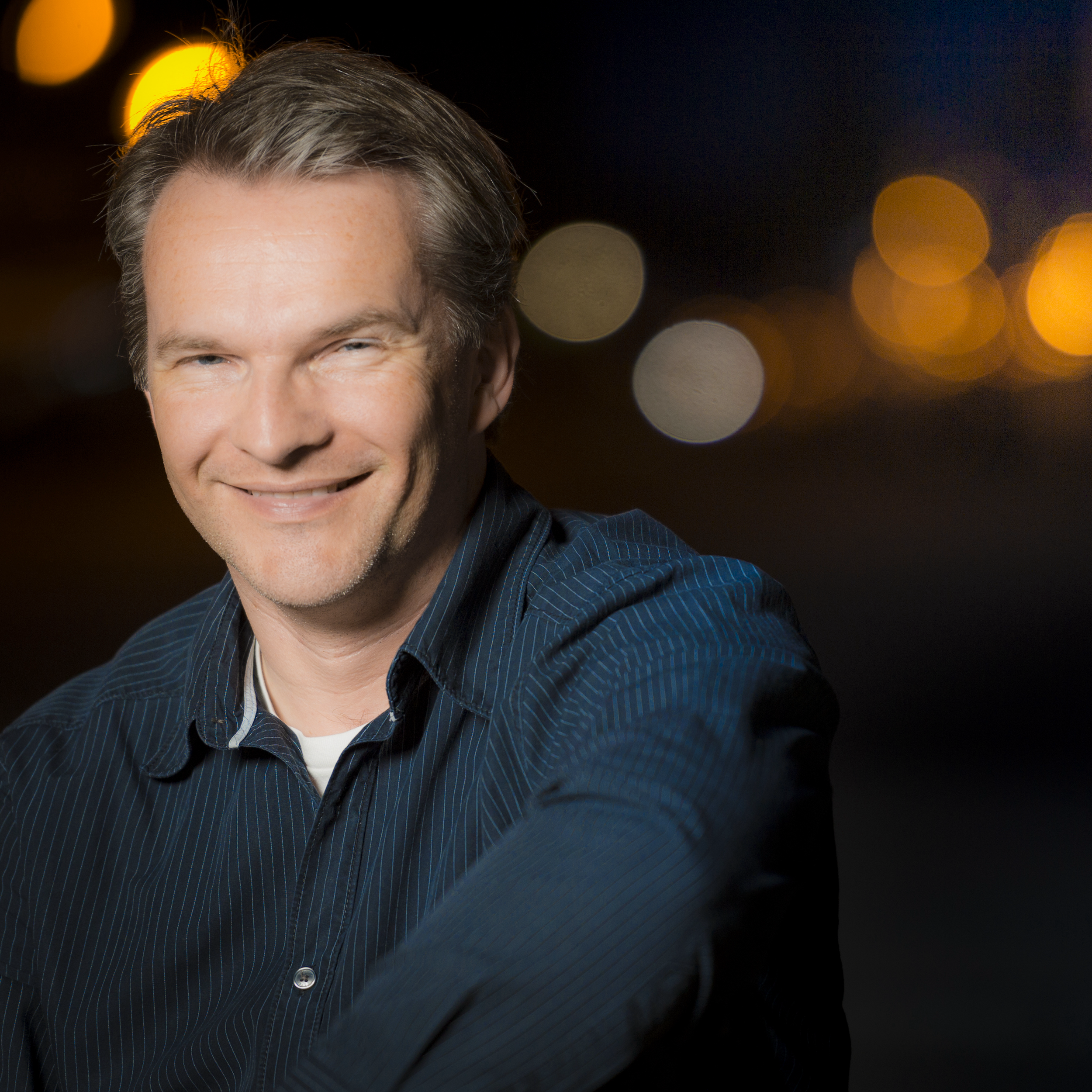
Courtesy of Marcus Trumpp
Trumpp credits The NeverEnding Story as his entry point into the career of a composer. He grew up in a musical family with a grandfather who was an opera singer. Despite being surrounded by a music-loving family, he didn’t immediately notice the music of The NeverEnding Story, but the score allowed him to get a taste of that magical experience again.
“I would always go to record stores, take out the album, and say, can I listen to this for awhile? I would listen to the Klaus Doldinger score and I was immediately taken to the ‘Flight of the Luckdragon.’”
“I have not watched this film since then. I thought at some point I’m going to watch it again with my kids, but I’m kind of scared. It’s one of those magic things I want to just put in this jar and never, ever touch again because I know when I see it, I’m like, oh my God, are you serious, these effects do not hold up.”
“Every now and then, in my music rotation, selections of the score come up, like ‘Flight of the Luckdragon’ and ‘The Childlike Empress.’ It gives me goosebumps still. I want to conserve this.”
When Trumpp isn’t working on a score for a film, he chases thrills with roller coasters. He and his son have a list of coasters they’d like to ride, with a few classic attractions of my local Kennywood amusement park on the docket. The ebb and flow of a roller coaster mirrors that of a score. Trumpp isn’t just an avid rider of coasters. He loves the physics of how they work.
“I have this design program on my laptop so I can make realistic roller coasters where the G forces are calculated correctly. There’s something to that. In music, we call them arcs. When you have a long story, there’s something written into the story that resembles an arc. What the music can do over the course of a long time, five minutes, ten minutes, sometimes half an hour, whatever, is establish something, develop it over time, and then bring it to a climax. So it almost feels like you, you subconsciously tie everything together into this big arc.”
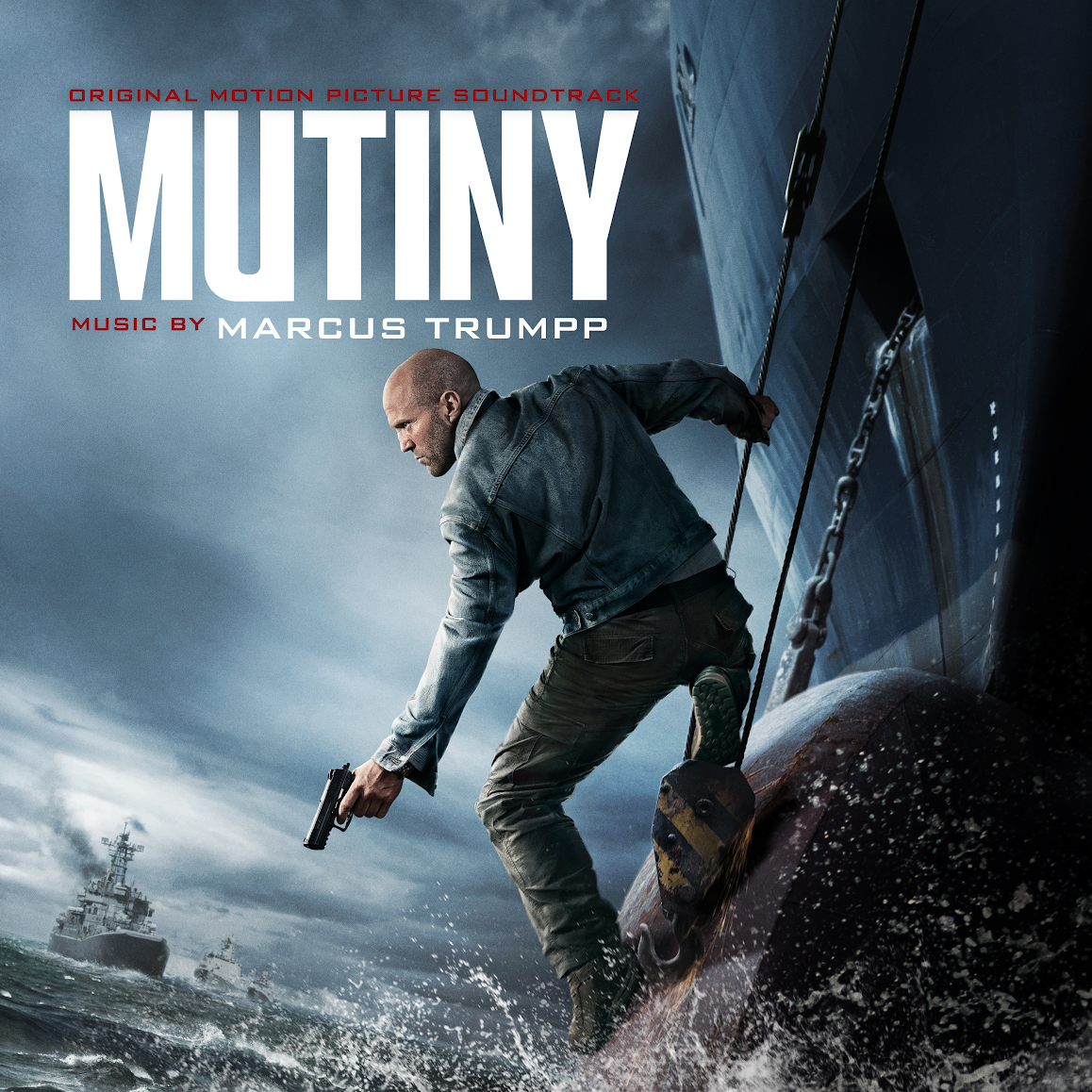
Courtesy of Lionsgate
“Roller coasters are somewhat the same thing. You build up potential energy and then you have to somehow get down. Little hills, twists, turns, and eventually you make it all the way down. After the experience is done, you kind of don’t necessarily feel like, oh my God, this one thing was really cool. You just look at the whole experience and think, wow, this was really interesting.”
The upcoming Mutiny marks the fifth collaboration (with a sixth on the way) between Trumpp and director Jean-François Richet. Over the course of eighteen years, the two have come to understand one another so well, but Trumpp says their relationship hasn’t changed much at all. They’re good friends and have an ease about them when sharing concepts for the score.
“He’s very specific in terms of the mood he wants to create. He’s not very particular with how to create it, but he just says, this is what I want to feel here. Over the years, we were able to hone in more on which register he gravitates to. What are the things he clicks with?”
“In the case of Mutiny, the turnaround was fairly quick. I would say seven weeks or so. Jean-François wanted it to be mostly electronic, gritty, and grounded. There are some things resembling strings, we had some overdubs, but that was more just cello gesture things I would process to create loops. We were able to use that as a bed and then lead the audience through it.”
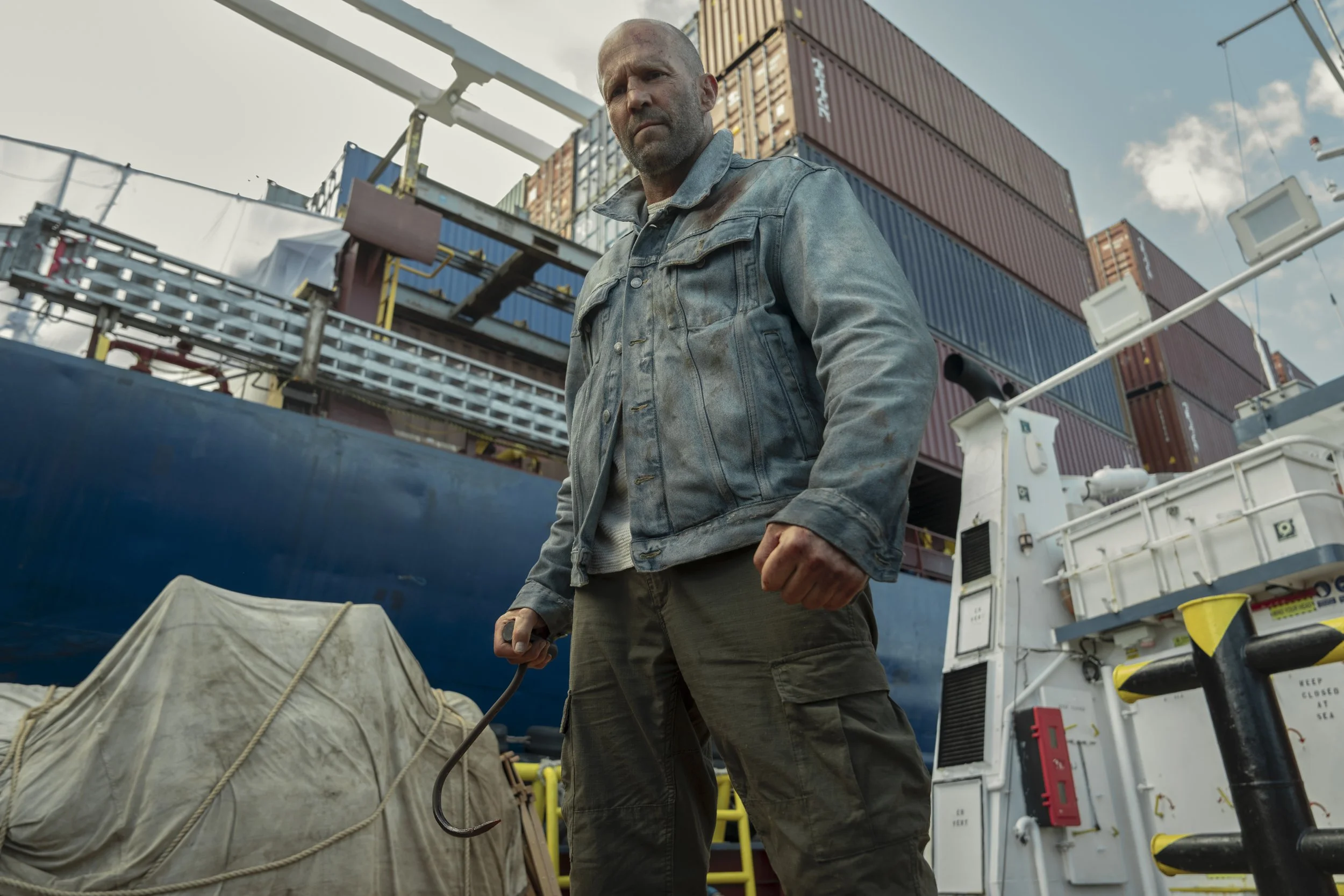
Courtesy of Dan Smith/Lionsgate
Almost all of Mutiny’s runtime takes place on the Artemis, a massive cargo ship. Jason Statham plays Cole Reed, who finds himself aboard the ship as he tries to discover who killed his billionaire boss in cold blood. While on the Artemis, Cole discovers that there’s a widespread conspiracy far beyond what he initially imagined.
In his career, Statham has cornered the market for the type of hero who would never call himself that. He sees something wrong and wants to fix it through a wide array of physical skills you and I cannot dream of. Cole’s a sensitive guy, missing his deceased father, but also the sort of person you want in your corner when fighting pirates and crime syndicates on a cargo ship.
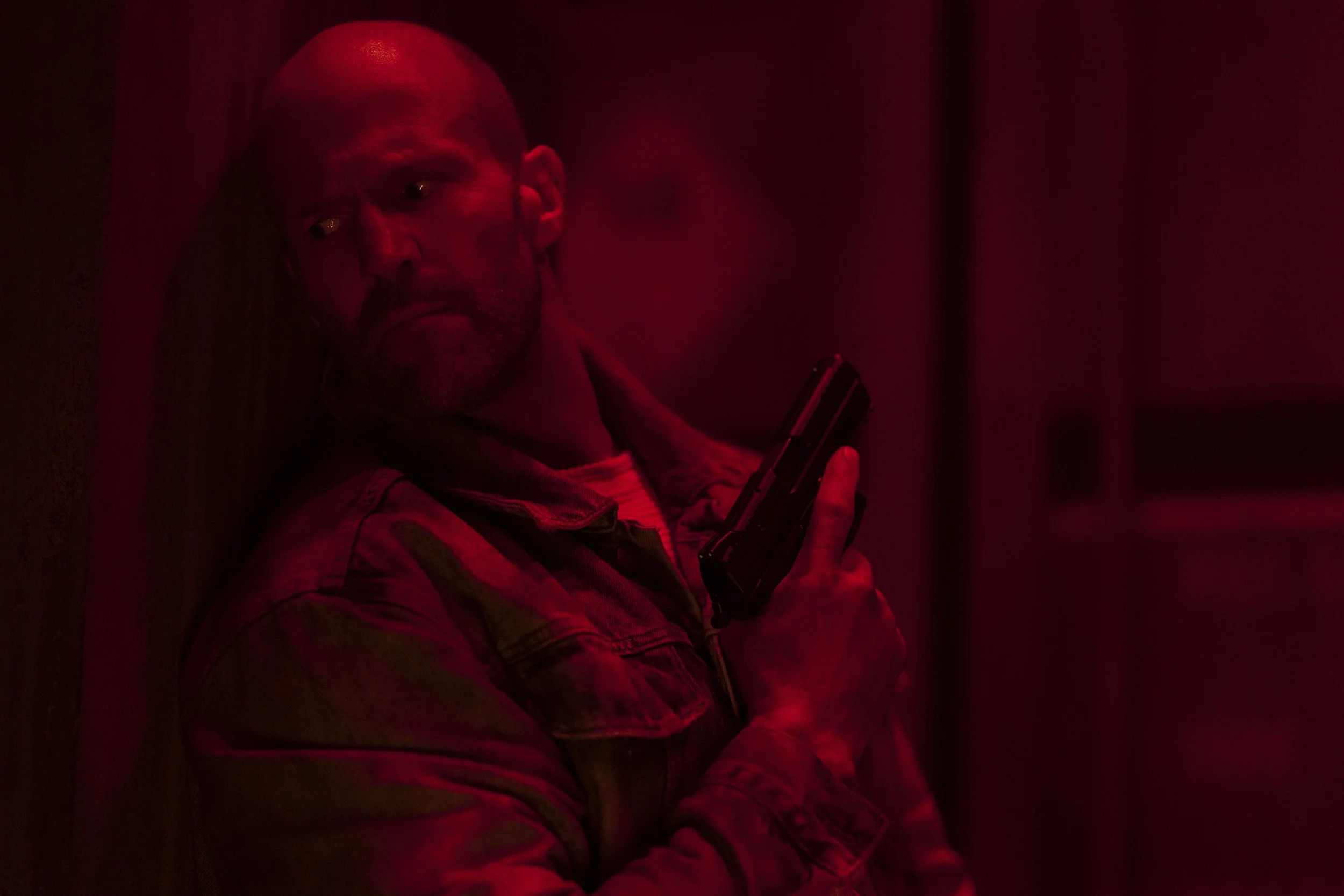
Courtesy of Dan Smith/Lionsgate
“There’s one theme for Cole. It’s sort of sentimental, but we wanted to keep it grounded. I never play to the heroism. It’s almost something that’s hidden in there, and the audience sort of needs to discover themselves. In the beginning, we really wanted to have him feel a little vulnerable. Show that there’s a human behind the whole bodyguard facade that’s his job.”
“The audience has to believe he can just take matters into his own hands, so I developed this theme over the course of the film. It’s kind of what we said before with the whole roller coaster arc of the story in that regard. Don’t play it heroic, it’s always implied and it’s because he’s always moving forward. You want to keep the momentum going and add to the pulse, add to the undercurrent that pushes him forward. After the climax, you have an opportunity to show off Cole’s theme or make it more of a centerpiece there.”
Trumpp has a similar momentum-building approach to the action sequences of the film. While the audience might not notice it on a first watch, Trumpp is behind the scenes, constructing the framework so that when Statham’s Cole finds himself in a brawl, the music meets him there. Mutiny is firmly in the action genre, but Trumpp has spent his fair share of time in the horror genre. Both action and horror use the score as a means of punctuating what’s on the screen, but there are nuances in what each of the genres asks of its composer.
“With a horror movie, it’s almost like you’re part of the scare as well, right? You’re part of the effect. In an action movie like this, you’re more supportive in the sense that you want to keep the train moving. Especially with Jean-François movies too. He wants to hear the music, he’s very particular with it, but it still needs to be part of the larger project. It can’t be the standout thing. It’s just one puzzle piece of this big, beautiful mosaic.”
After Trumpp graduated from high school, he and some friends wrote a musical. What started as a small project was performed on a far larger stage than they could ever have imagined, and it was well-received in Trumpp’s hometown. His work on this musical got him his first film composing job. Given the chance, Trumpp would be thrilled to write another musical.
“I was so in love with the whole process. I mean, I still am. I look to someone like Alan Menken, who did all these great Disney movies, starting with The Little Mermaid. I was so in love with his music. Because he was a Broadway writer, his approach to writing themes or scores was very different from Jerry Goldsmith or John Williams.”
“What I thought was so cool about writing musicals like that was the approach to look at it like each piece is almost a song, right? It’s very different from the late-romantic writing, the more modern, Americana side of things. You have these moments where you really focus in on the themes and melodies. I thought that was just the coolest thing ever.
Pre-save Marcus Trumpp’s Mutiny score here and catch the film in theaters on August 21.

Follow me on BlueSky, Instagram, Letterboxd, YouTube, & Facebook. Check out Movies with My Dad, a new podcast recorded on the car ride home from the movies.
Support Your Local Film Critic!
~
Support Your Local Film Critic! ~
Beyond the Cinerama Dome is run by one perpetually tired film critic
and her anxious emotional support chihuahua named Frankie.
Your kind donation means Frankie doesn’t need to get a job…yet.