
SXSW ’26: Hugo De Sousa, Sarah Whelden, and Kelly Wilcox Talk “Best Friends with the Devil”
This interview was originally published on Film Obsessive.
It’s a rude awakening to discover that someone you thought was a good friend merely viewed you as an acquaintance. It’s a horror story of sorts that’s the basis for Hugo De Sousa’s Best Friends with the Devil. The short film had its world premiere at the 2026 SXSW Film & TV Festival, where writer/director/star/editor De Sousa, cinematographer/producer Sarah Whelden, and producer Kelly Wilcox sat down with Film Obsessive News Editor Tina Kakadelis to explore the murkiness of interpersonal relationships.
“The original idea was there are two people on a hike,” recalls De Sousa. “I wanted to see if I could make that interesting and exciting. The other idea was two people on a hike looking for a missing person and, at some point, one of them gets a phone call that changes their dynamic.”
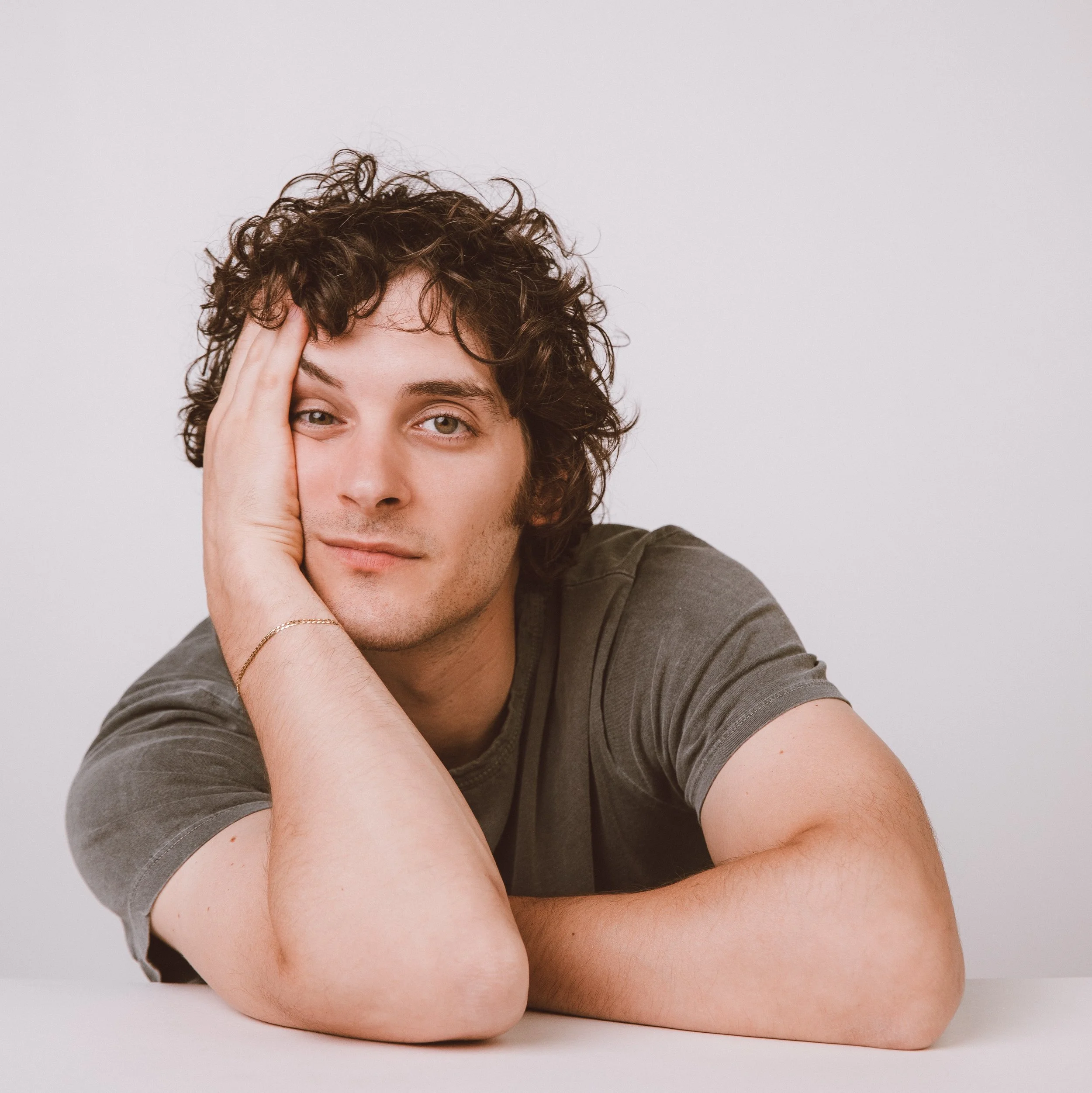
Courtesy of SXSW
“When I started, I ended up writing about friendships because I feel like that’s like the biggest theme in my life. How hard it is to navigate friendships and fading friendships. The story just went from there,” continues De Sousa. “I wanted to make it fun and exciting. I wanted to make it feel bigger in scope than it actually is while still preserving that emotional core of how hard it is to let go of fading friendships.”
“Kelly and I met Hugo at a short film festival called Salute Your Shorts in LA. We had seen Hugo’s short, The Event, which is a classic,” Whelden explains. “Some months later, I got an email from Hugo with the script and it was just an outrageous script. It was such an immediate yes. Hugo is somebody I wanted to work with, and this story just kept taking me by surprise, over and over again.”
“Friendship’s always been a huge theme in my life, in all of our lives,” says Whelden. “I think it’s a little bit underexplored, that more platonic relationship. I thought this was such an interesting way to tell that story.”
Wilcox came on to the project not long after Whelden took the job. It certainly helped streamline the process, given that the two are married.
“We had read the script at the same time because we do that when one of us has been approached,” laughs Wilcox. “We just like to bounce ideas off each other, like, do you think we should do this?”
“For Best Friends with the Devil, it was just like, oh my gosh, yes, this script’s so solid,” states Wilcox. “Hugo is amazing at making a succinct short, and that’s kind of hard to find. I also felt like I could relate to both characters and feel myself in both positions in a weird way.”
Best Friends with the Devil is about Lola’s (Ellyn Jameson) frantic search for her best friend, Amy (Kailee McGee). She receives a tip from a stranger, David (De Sousa), who says he saw Amy right before she supposedly disappeared. Desperate for any sort of lead in the case, Lola goes on a hike with David, but the deeper they go into the woods, the murkier their story becomes.
De Sousa’s script fluctuates between a touch of dark comedy, suspense, and sadness. Each of these emotions sweeps across Best Friends with the Devil in such a controlled fashion that one never overtakes the other. Together, they work in unison to make the short a deeply layered look at the way our own perceptions color our experience and relationships. When he writes, De Sousa isn’t consciously thinking about braiding these themes together.
“Honestly, I don’t think too much about that stuff when I’m writing. Whatever comes out comes out and then I almost don’t know,” admits De Sousa. “I have an idea of the movie I’m making, but then only when I start talking with Sarah and the actors do I start seeing tone and style.”
“When I’m writing, that’s never in my head. I’m just looking for interesting ways to subvert expectations, to make sure the story keeps moving forward,” says De Sousa. “Talking with Sarah, we immediately were like, okay, that scene is one take. All of a sudden, I’m like, okay, this is going to feel like a thriller. It organically happens and I’m not super conscious of it at the beginning.”
“Hugo, Kelly, and I spent a lot of time hiking this trail in the woods and trying to unlock the story,” Whelden adds. “Hugo would go home and adjust the script a little bit each time we’d go out and scout.”
“One of the things that came up early was letting the editing help drive the tonal shifts. Part of that is when to edit and when not to edit,” Whelden continues. “We wanted the first big shift to happen through a really long take. Even though the music gives you a sense that something’s gonna happen, there’s something about a long take that doesn’t cut, especially a shot that’s so simple you forget where you are in time and space. Suddenly, the shifts take you a little bit more by surprise.”
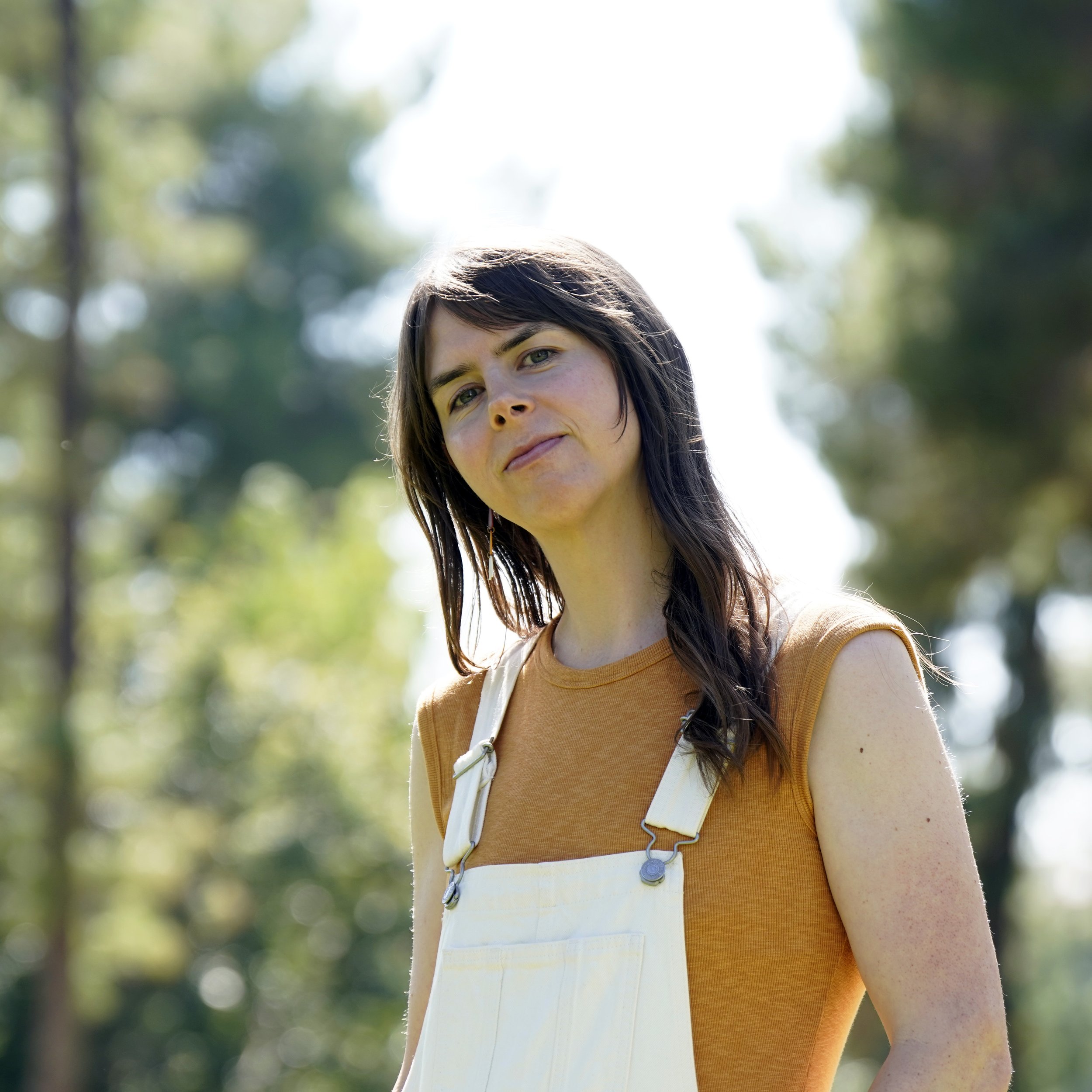
Photo by Beth Dubber
“Beyond that, we split the film into sections and said, this section is gonna be handheld,” explains Whelden. “Then this section, we’re gonna do that 360 shot and change directions. Each phone call had its own style.”
“We were in this really small piece of Griffith Park. We had to find very specific locations and we brought a little camera with us on our scout and would just kind of shoot bits of the scenes to see how it was working,” Whelden goes on. “We tried each scene in several different locations and I think the only thing we immediately fell in love with is the wide shot of Lola going up that hill. It allowed us to show the cyclical nature of this story, something to always kind of come back to.”
“We wanted to play with Lola’s emotional state as she’s losing her mind over losing her friend,” Whelden says. “We also wanted to use her relationship with Hugo’s character as a way to break that. Each time that shifted, we wanted to shift the camera. The beginning of the movie is fairly static. We had a gimbal, so that felt like part of that same world.”
“As soon as we hit the first twist, then we’re handheld. We stayed handheld and the editing sort of picks up until she gets her next text,” Whelden explains. “Then she’s on the phone and we’re back on the gimbal, but now the roll access is unlocked so I can go quickly in circles without it being nauseating, but also allow a little bit of that roll access to speak to her mental state as it’s sort of off-kilter a little bit.”
“Then we work our way back to where it started almost, as though this character sort of went on this journey, but in the end, this is who this person always was,” says Whelden. “I think a bigger decision was when is Hugo’s character going to be on camera? That character is a story device for telling this story about friendship. Lola is front and center the whole time, but then knowing when we wanted to bring this other character in and let them be the center of attention for a moment to help assist in moving things along or shifting the tone or the tension.”
Wilcox most recently produced the 2026 Slamdance-premiering film The Plan, from Jessica Barr, and the 2026 SXSW-premiering film Their Town. The Plan is a one-take thriller shot by Whelden, and Their Town was described by Wilcox as a teenage Before Sunrise. What draws her to each new project is a strong sense of self in terms of the vision of the director. Each of these recent works, including Best Friends with the Devil, exists in a different genre. As a producer, Wilcox approaches all work in a similar fashion, but because of the genre-bending of Best Friends with the Devil, her role during post-production was a little different than usual.
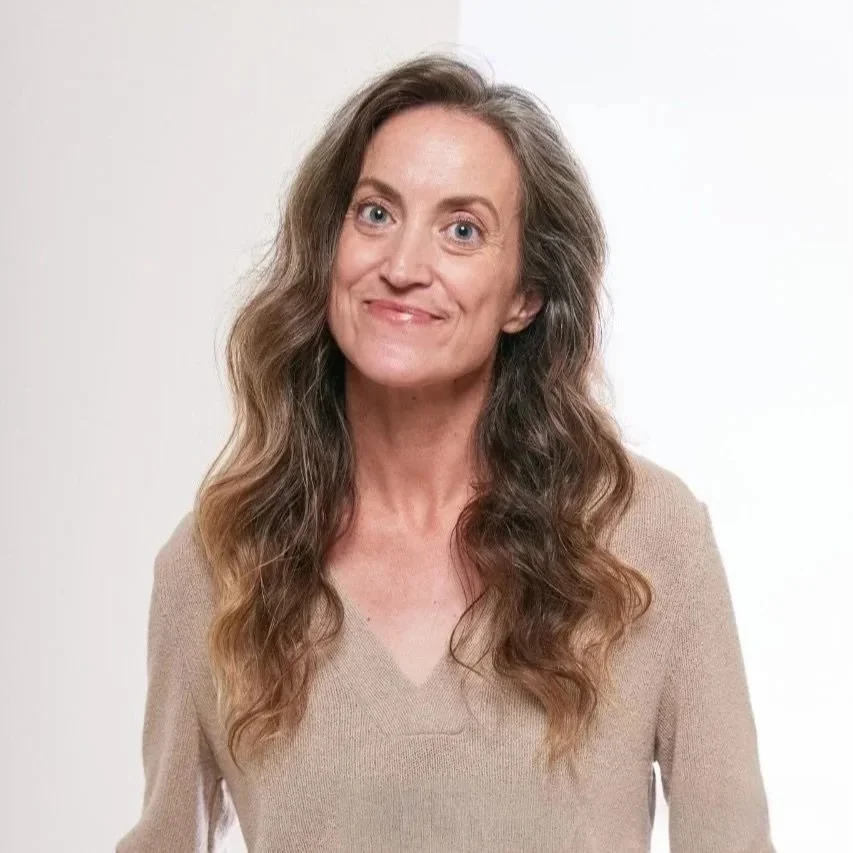
Courtesy of Kelly Wilcox
“Going into post, I feel like that was where I could be helpful to Hugo in finding the tone in the edit and introducing him to Mel Guérison, our composer,” says Wilcox. “He knew Mel’s work from a short we had done with Jess Barr called Tight.”
“Also, I was like, I want you to listen to this sound designer, Dmytro Kniazhechenko, who did The Plan, our one-take film, because he does all these really amazing educational sound design videos,” continues Wilcox. “I had never before been that interested in sound design aspects in a film, but the way Dmytro approached it was fascinating. I remember sending Hugo a video that he’d done about thrillers and what you can do with the sound design to raise the stakes.”
“A big thing was feeling closer to Lola. Her breath, her heart beating, all that stuff. The birds, too. I had fun with the birds,” laughs De Sousa.
Much like Arabella Oz, filmmaker of Mallory’s Ghost which also premiered at the festival, De Sousa took on the role of editor as well. Similar to the other film, it was a budgetary decision rather than a creative one.
“Honestly? It was just not being able to afford an editor, but it’s something I’m hoping I don’t have to do again, because it’s hard, you know?” explains De Sousa. “When you’re in pre-production and production, you’re surrounded by a team. Then, if you’re also an editor, now you’re just alone with your movie. I think you kind of run out of batteries once you get to the editing. Mentally, it can be tough. I was struggling a little bit with the cut and I was losing faith in the script. You just run out of faith because you need so much of it to get through a movie, just to complete a movie. I was struggling, and then Sarah and Kelly came to my house and they really brought me back.”
“The reality is, Hugo had a great cut put together, but I think, as happens, you kind of get in your own head, especially when you’re the director, writer, and actor,” says Whelden. “All Kelly and I had to do was remind Hugo how great his script was. He wrote a great script and he just needed to trust it because we captured it.”
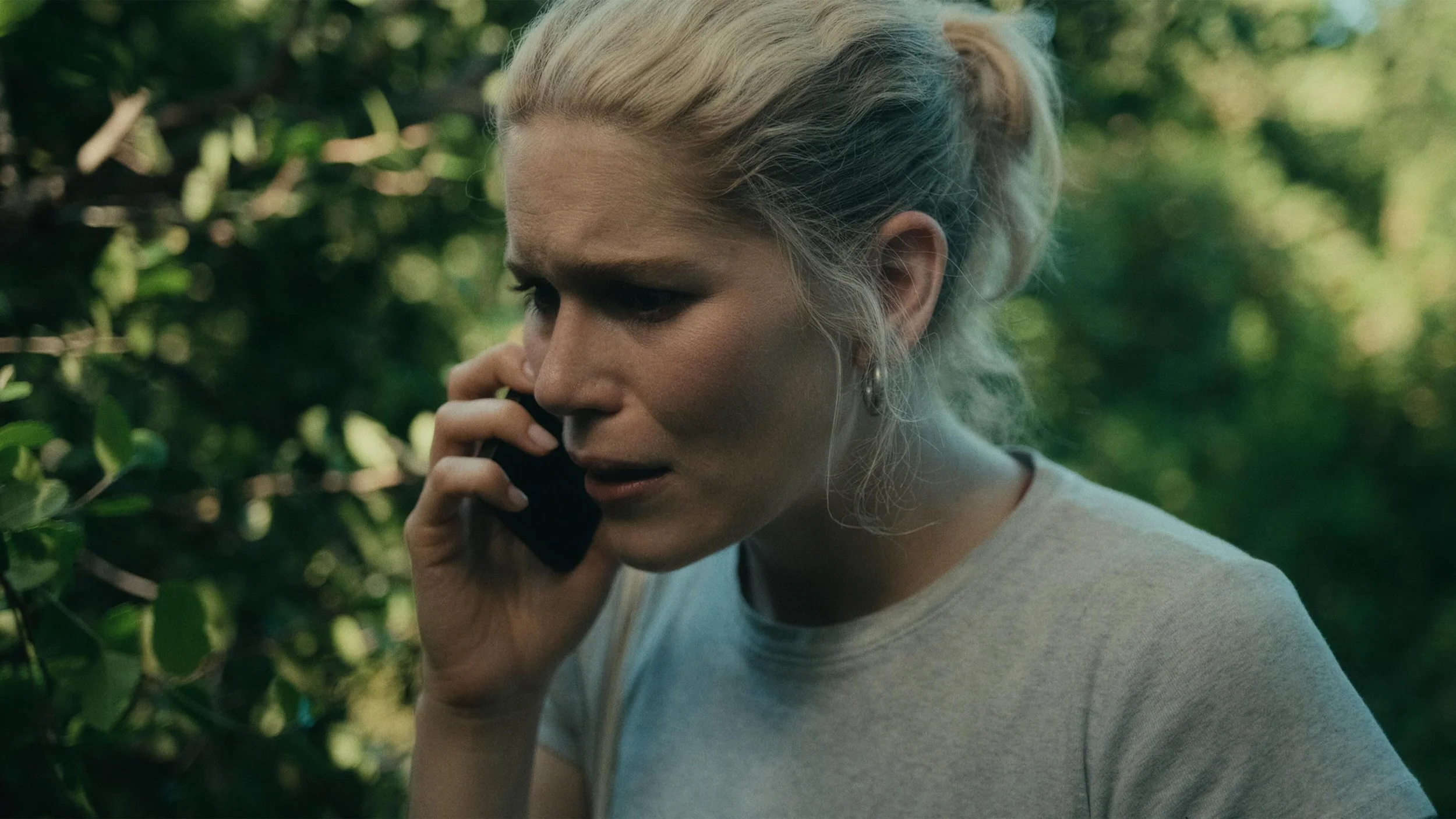
Courtesy of SXSW
Whelden and Wilcox served as producers for the short alongside April S. Chang and Vicki Syal. Where Chang and Syal handled more of the logistics for the film, Whelden and Wilcox were able to take on more of the creative aspects of the role. Nevertheless, even though a short film pales in comparison to a feature when looking at runtimes, Wilcox shares that short films are still quite a heavy lift.
“A short is 90% of the work that a feature is. Honestly, sometimes I’m just like, we should just make a feature,” laughs Wilcox.
“It was a two-day shoot and I feel like the complexity of the shoot came down to the location and the heat,” Wilcox continues. “There was a heat wave, bees, and poison oak.”
While the real-life elements were a tough force to work around, there’s also the fictional devil named in the film’s title. When asked who Wilcox, Whelden, and De Sousa see as the best friend and the devil in the film, all of them wanted to keep the mystery open to the interpretation of the viewer.
“It’s one of those questions I never asked Hugo on purpose, because I was like, if Hugo wants to offer that up to me, if he grows a strong opinion about that, he’ll offer it,” says Whelden.
“I think they can both be the devil, you know?” poses De Sousa.
Follow me on BlueSky, Instagram, Letterboxd, TikTok, YouTube, & Facebook. Check out Movies with My Dad, a podcast recorded on the car ride home from the movies and I Think You’ll Hate This, a podcast hosted by two friends who rarely agree.
Support Your Local Film Critic!
~
Support Your Local Film Critic! ~
Beyond the Cinerama Dome is run by one perpetually tired film critic
and her anxious emotional support chihuahua named Frankie.
Your kind donation means Frankie doesn’t need to get a job…yet.