
Tribeca: Julie + Gary DeVercelly Talk Taking on Campus Hazing in “4000 Days”
Four thousand days is roughly eleven years. It’s the title of Daniel E Catullo III’s documentary about fraternity hazing that will have its world premiere at the Tribeca Film Festival on Wednesday, June 10 at 5:30 PM at the Village East by Angelika theater. The film’s name comes from the journeys of three families, all united by the loss of their sons to fraternity hazing. The 4,000 days symbolize “the number of days it took to turn grief into action, then grief into law.”
Gary DeVercelly Jr. loved baseball. Unlike most kids his age, he didn’t dream of one day playing in The Show, but instead, he wanted to become a general manager. He joined Phi Kappa Tau as an eighteen-year-old believing it would help him network after college to get his dream job. On March 30, 2007, his parents, Gary and Julie, received a phone call that no parent should ever have to get. As part of a hazing ritual, Gary Jr. was forced to drink large amounts of “family drink,” part of fraternity tradition. Despite the clear distress he was in, no one in the fraternity called for help until it was too late.
Together, with the Burch and Oakes families, Julie and Gary DeVercellys agreed to be part of Catullo III’s documentary, 4000 Days, to chronicle their fight for the Stop Campus Hazing Act to be codified into law.
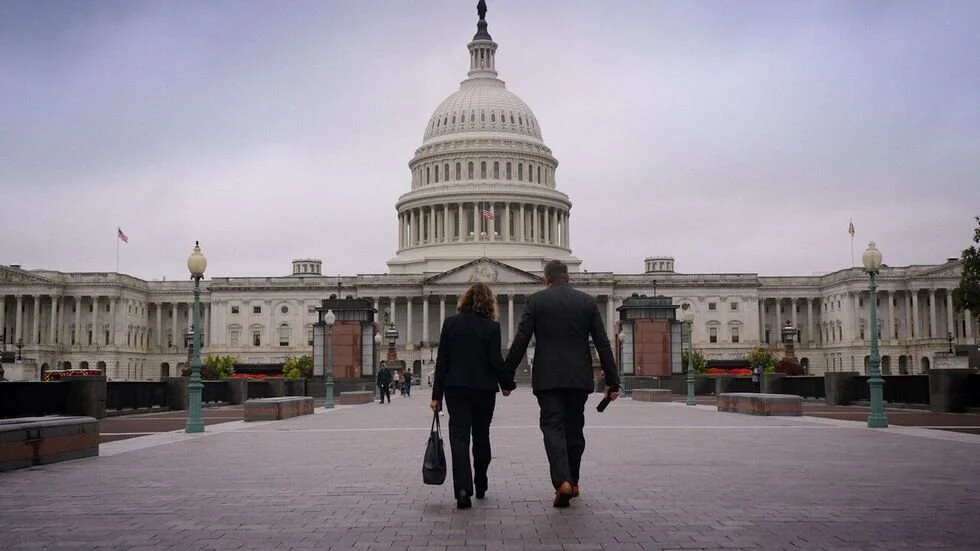
Photo Courtesy of 10 Lives Studios
I want to start with your relationship with Daniel. What about Daniel and his approach made you feel like he was the right person to tell Gary Jr.’s story?
Julie DeVercellys: We first learned about Daniel when he did Breathe, Nolan, Breathe with the Burches, and we started a relationship. Little did we know that he lived in New Jersey and was very familiar with Rider University and Gary Jr’.s case. He wanted to really start helping families who had tragedies and deaths from hazing.
We connected right around the beginning of pre-Covid. From there, we’ve become very close. We consider Daniel and his family to be our family. He gets our journey from an outside perspective by following us and all the things that we’ve been through and just getting to know us more personally.
Gary DeVercellys: I consider myself a pretty good judge of character. When we first met Daniel, his sincerity came through. I could see that he was a man with a very good heart toward the families. At first we were concerned this might be exploitative, but Daniel is anything but.
You mention the possibility for exploitation, which comes up a lot in the world of documentaries. Did you have any concerns when you agreed to the project?
GD: It was more of a positive, because when we had the discussion with Daniel, Julie and I had already been trying to get the bill passed for a good five, six years. When we talked about it, we decided that to have Daniel there with the film crew, if anything, was going to help our message when we went to Congress. Our political class responds to the media, and we felt like having him back us would be a plus for us to get our bill passed.
JD: As far as exploitation, sadly, with families like ours, where our sons have been tragically killed, there are a lot of people out there who want to put bells and whistles on everything. They want to focus on things that aren’t true and aren’t real. They’re about getting ratings and viewership and all those things.
Daniel wasn’t about that. We were very clear to him. The media has not been kind to us. It’s not kind to most families. The narrative has changed some, but we wanted to make sure the message being presented was true, accurate, and real, not something that was full of trainwrecks and blood. All the stuff people use to sensationalize a story. That’s not Daniel.
You talk about working to pass this bill, and one of the parts of the documentary that really struck me was how long it took to get there and then how quickly it all happened once it was passed in the first round. Could you talk about that feeling of how all of this hard work was condensed into such a short period of time?
GD: It was very much just as you described it. You’re very astute. I tip my hat to you because it seemed like a forever task. Especially when we first started off, it was just the two of us. The lone voices crying in the wilderness. Obviously, we had a lot of frustrating times. We don’t have nearly enough time to go into all the obstacles we ran up against. At times, it did feel like it was just never going to happen, but, both of us, we don’t have any quit in us.
We stuck with it and stuck with it. Then, as you said, all of a sudden things started falling into place. It happened very, very rapidly. It felt kind of unreal at the time. It’s all worked out for the best and we’re very, very happy now that the bill got passed.
JD: It was something we knew needed to be in place shortly after Gary was killed in 2007, nineteen-and-a-half years ago. Getting the momentum, having to reintroduce it under Congress after Congress, and continue to move forward, as Gary said, a lot of different obstacles. When it was finally go time, it was like, all right, here we go, let’s do this.
We were not able to be there when it was signed into law, but I remember when I found out the bill got passed. It was Christmas Eve 2024. We were getting ready to have a Christmas Eve dinner, and Gary was in the shower. I saw the news and went, oh my gosh, our bill’s been signed into law. It took my breath away. It brought tears to my eyes and immediately after we hugged, I just wanted to run to the cemetery and be there with my son. Unfortunately, it had already closed and I couldn’t do that.
This is where this whole journey has been working toward. We are focused, we are driven. We do not deviate from what we knew needed to be in place before our son ever went away to college, both at the education and legislative place. We have gone through a lot. It’s a big roller coaster ride.
We didn’t know what to do after the bill passed, because now we’re not in meetings. We aren’t burning candles at both ends. We made over 30 trips to DC in our time. It’s been very surreal.
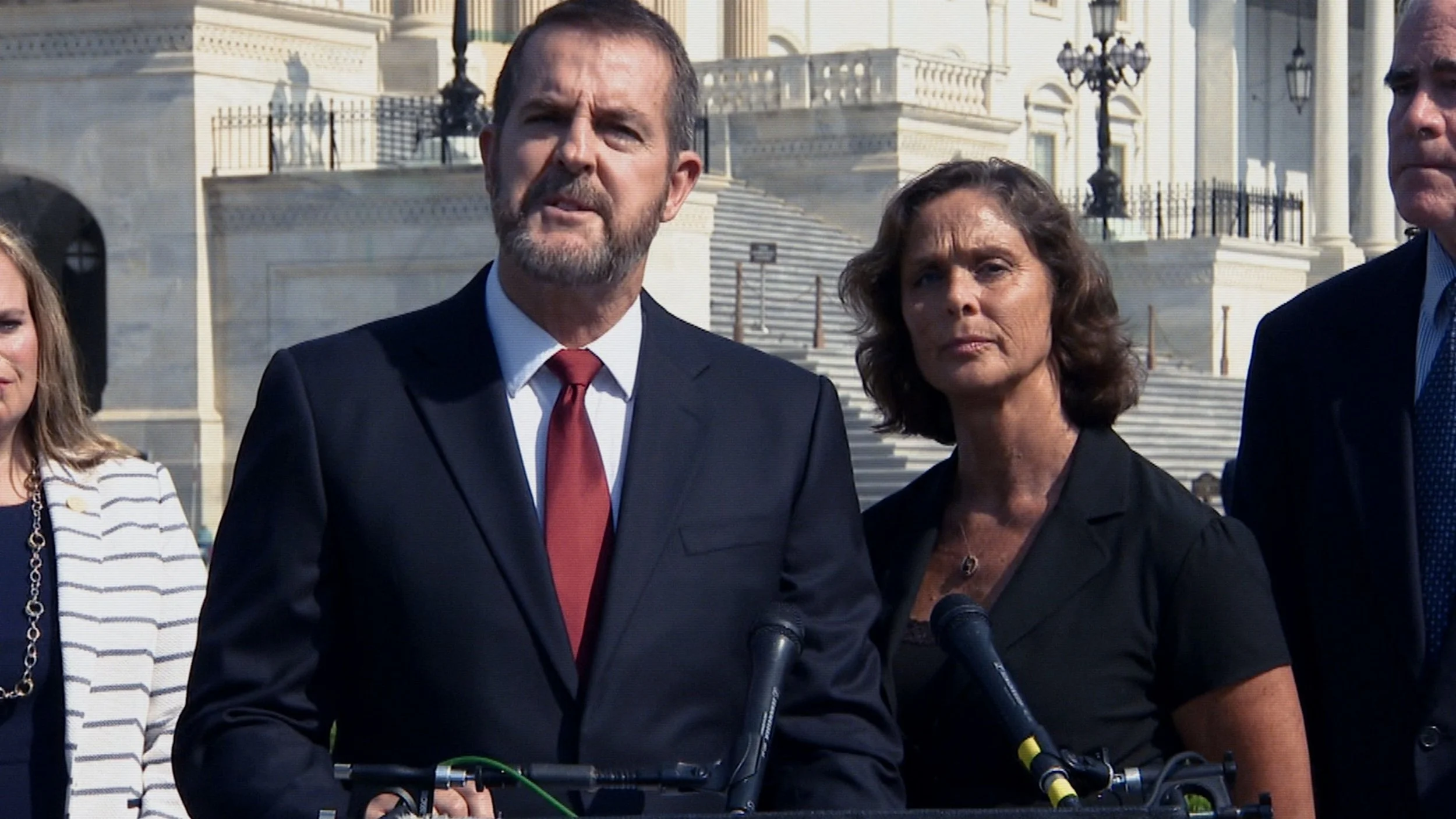
Photo Courtesy of 10 Lives Studios
You have been working with the Clery Center. On the website, it talks about how you don’t want to just raise awareness, you want to offer a solution. Could you talk about that balance and the mindset shift you had to find in order to go down this path?
JD: We have been very strategic in everything we’ve done. Since we got that horrific call no parent should ever get and we had to make a trek from California to New Jersey with our other two children. We’ve been very strategic. We wanted to put our time and energy into things that are meaningful and sustainable changes, not something that just puts our son’s name on something and we walk away from it.
We made over 20 precedent-setting changes at Rider University and that’s how we became connected with the Clery Center. We, as Gary likes to say, circled the wagons, protecting our family. Our son and daughter were 11 and 13 at the time and our family was close, so our focus was on them. Then we started thinking about what we were going to do. Start our own foundation or join one that was already set where we could have national presence. It was a perfect fit to work with the Clery Center. I believe they’re the only families that have ever done that. If you look, there’s nothing in our son’s name. We don’t have a foundation. There are no bills named after him, because that’s not what our focus is. Our focus is making meaningful, sustainable, real change.
We joined the board. We created We Don’t Haze, a 17-minute documentary, along with Stop Hazing. It’s one of the only pieces of education that has been validated to raise awareness, education, prevention, and bystander intervention on hazing. Everything we do, again, we do with due diligence. It’s very strategic. We don’t want to put something out there just to put something out there.
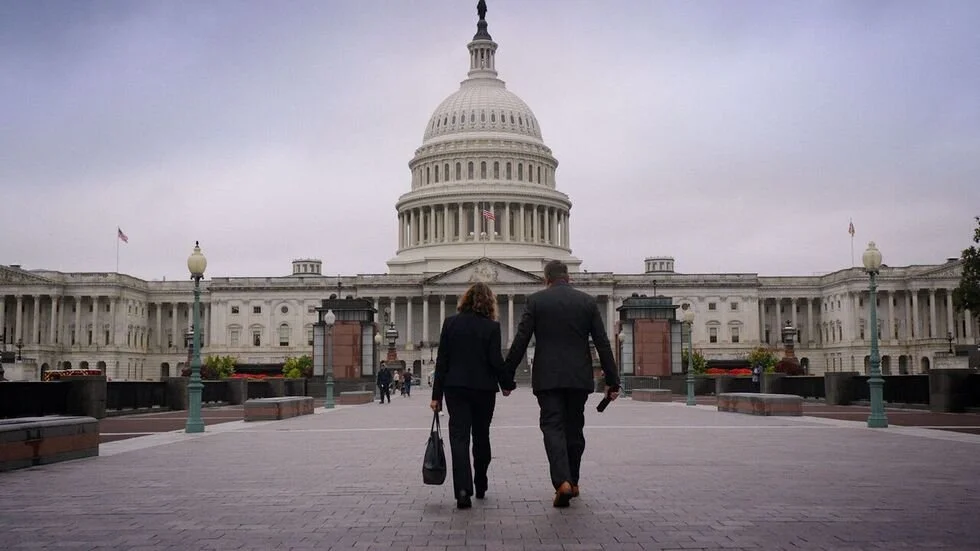
Photo Courtesy of 10 Lives Studios
GD: Our association with the Clery Center really helped us quite a bit in getting the bill passed and learning how to negotiate with Washington. The Stop Campus Hazing Act modifies the Clery Act, which was passed back in 1990. The association with Clery Center has just been, I think, very beneficial for us, but I think we’ve been beneficial for them too.
JD: The toolkit, all those education pieces, we have done in partnership with Stop Hazing. We are very blessed and fortunate to call Connie Clery family. She is my mentor. Listening to all the things she and Howard went through to get the Clery Act passed…it was different times, but so similar.
Just to have that support and be able to speak and be with her, it’s been an honor and a privilege and it makes the most sense. We surround ourselves with key people, good people and organizations, nonprofits to support what we knew needed to be done.
One of the first things we did after we joined the Clery Center was meet with Jim Moore, who oversaw the Clery compliance at the federal level to see if it made sense for hazing to be a Clery-reportable crime and amend the Clery Act. Again, it was intentional.
He said absolutely, don’t see why not. Again, very strategic. We were getting people together and then getting families also who have lost their sons and daughters to come along. Some of them, that’s all they can do.
Follow me on BlueSky, Instagram, Letterboxd, YouTube, & Facebook. Check out Movies with My Dad, a new podcast recorded on the car ride home from the movies.
support your local film critic!
~
support your local film critic! ~
Beyond the Cinerama Dome is run by one perpetually tired film critic
and her anxious emotional support chihuahua named Frankie.
Your kind donation means Frankie doesn’t need to get a job…yet.