
“Baby Brother” is a Potent Reminder of the Pain from the Ties That Bind
Michael J. Long’s Baby Brother was sent with a note in the description: “Do we control the person we become?” It’s quite a statement to have in the back of one’s mind while pressing play, but from the opening scene, it’s clear that Long and co-writer Tom Sidney have no plans to shy away from the deep waters this question introduces. What they’ve crafted is a true testament to independent cinema, proof that ideas and thoughtfully constructed characters will always trump hollow, big-budget films with nothing to say.
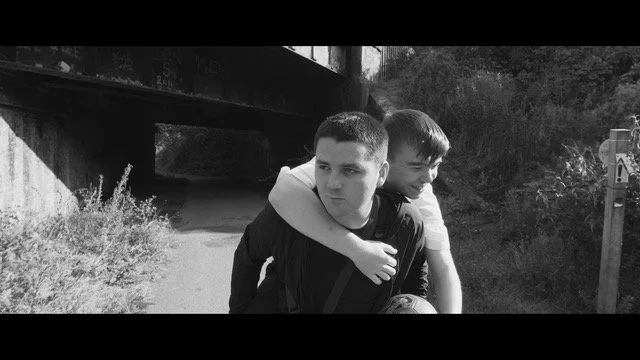
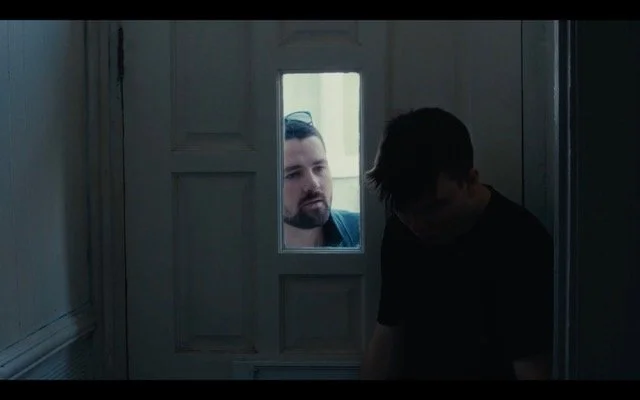
Baby Brother is the story of two days in the lives of two brothers. These two days are separated by five years, and the film floats between them like memories dancing in and out of focus. Adam (Paddy Rowan), the older brother, and Liam (Brian Comer), the younger, are a few years apart. They don’t have what one would call a stable home life, so Adam takes it upon himself to be Liam’s caretaker, and Liam adores Adam. That was before. Now Liam can’t stand the sight of Adam. As Baby Brother slowly unfolds its clenched fist, the audience learns why Adam leaves and why he didn’t have much say in the matter.
courtesy of Baby Brother
The film opens and closes with a voiceover from Adam. He says, “Sometimes, I dream about the person I should have become. I mourn for a version of myself that was never allowed to exist.” It’s such an emotionally intelligent thing to yearn for, but when we first meet the person saying it, he’s stealing clothes and a bike from a random guy sitting on a bus bench. The two things don’t add up…until they do. The script from Long and Sidney has a lot in common with the gritty, realistic, angst-filled indie dramas England is known for, but Baby Brother’s voice is its own. There’s no air of pretension or glossy sheen to the look of the movie, but a blanket of authenticity envelops the film. It’s not a blanket that provides comfort or warmth, but it lingers like a smog that makes it difficult to breathe.
courtesy of Baby Brother
The scenes from the past are shot in wide black-and-white. Even though the color is gone, the viewer gets the sense that there’s hope for these kids. They may not have much, but they have each other. Brotherly love can make up for a lot, but it’s not always enough. When the film switches to the present, it’s color, but in a much smaller window. Shrinking the aspect ratio squeezes the audience into a space that’s not suitable for them or the brothers. It’s refreshing to see a filmmaker have a purpose in changing aspect ratio and color grading rather than doing it for the sake of trying to look important. Baby Brother also allows the audio of the past to play over some of the images of the present. It’s a small stylistic choice, but it’s so potent. The past has never left them. It sneaks up on them when they least expect it and reminds them of lives irrevocably altered.
Baby Brother is about the ties that bind and the people who have been in our lives since the beginning, whose blood we share. It’s this bind that can suffocate us or set us free. We can find support and nourishment from our family, or our feeling of obligation to them can be a heavy anchor. Sometimes, as in the case of Adam, even our best intentions can cause a loved one to go down the very path we thought we were helping them avoid. Baby Brother is a deep well of sadness, a reflection of how pain trickles down from generation to generation. Even if someone like Adam tries with all his might to build a dam that will drown him but save his brother, that trickle can turn into an unruly rush of rapids. Baby Brother offers no answers because it doesn’t have any. How can we control the person we become when no better outcome has been shown? Like Adam, the audience is left mourning for who these boys could have been had they just been given a chance to exist.

Follow me on BlueSky, Instagram, Letterboxd, TikTok, YouTube, & Facebook. Check out Movies with My Dad, a podcast recorded on the car ride home from the movies.
support your local film critic!
~
support your local film critic! ~
Beyond the Cinerama Dome is run by one perpetually tired film critic
and her anxious emotional support chihuahua named Frankie.
Your kind donation means Frankie doesn’t need to get a job…yet.