
For many years now, a certain type of true crime documentary has been rising in popularity. People involved in a case through family/friend relationships or having been a part of the investigation will sit down in a sterile room and recount the horror of what happened. There will be glossy drone shots and slow zoom-ins on old pictures. This style creates an almost clinical separation between the victim and the viewer. It treats the lives and deaths of people as entertainment, without putting much stock in how opening old wounds will impact those involved. Michał Marczak’s Closure is a direct rejection of such documentaries.
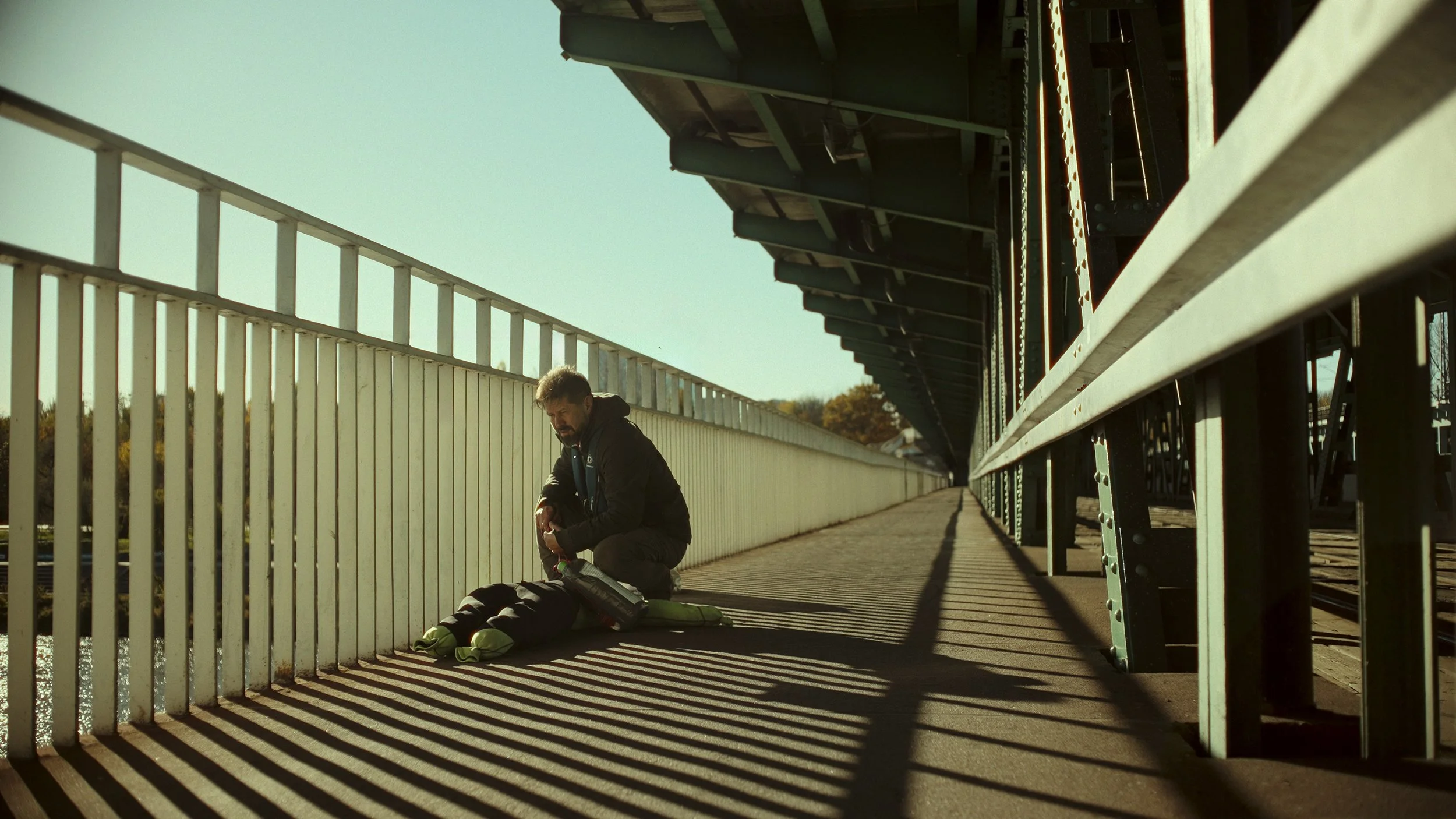
Closure takes its time explaining what’s going on. It opens showing a man carrying a human-sized dummy to the side of a bridge. He ties a rope to it and throws it over the edge. Then he gets into his boat and follows the GPS signal of the dummy. The man is Daniel Dymiński. He spends his days doing some iteration of this experiment because he’s looking for any indication that his son, Chris, could still be alive. When the film begins, it’s been about six months since Chris went missing and Daniel is still searching for some sort of closure.
Credit: Michal Marczak
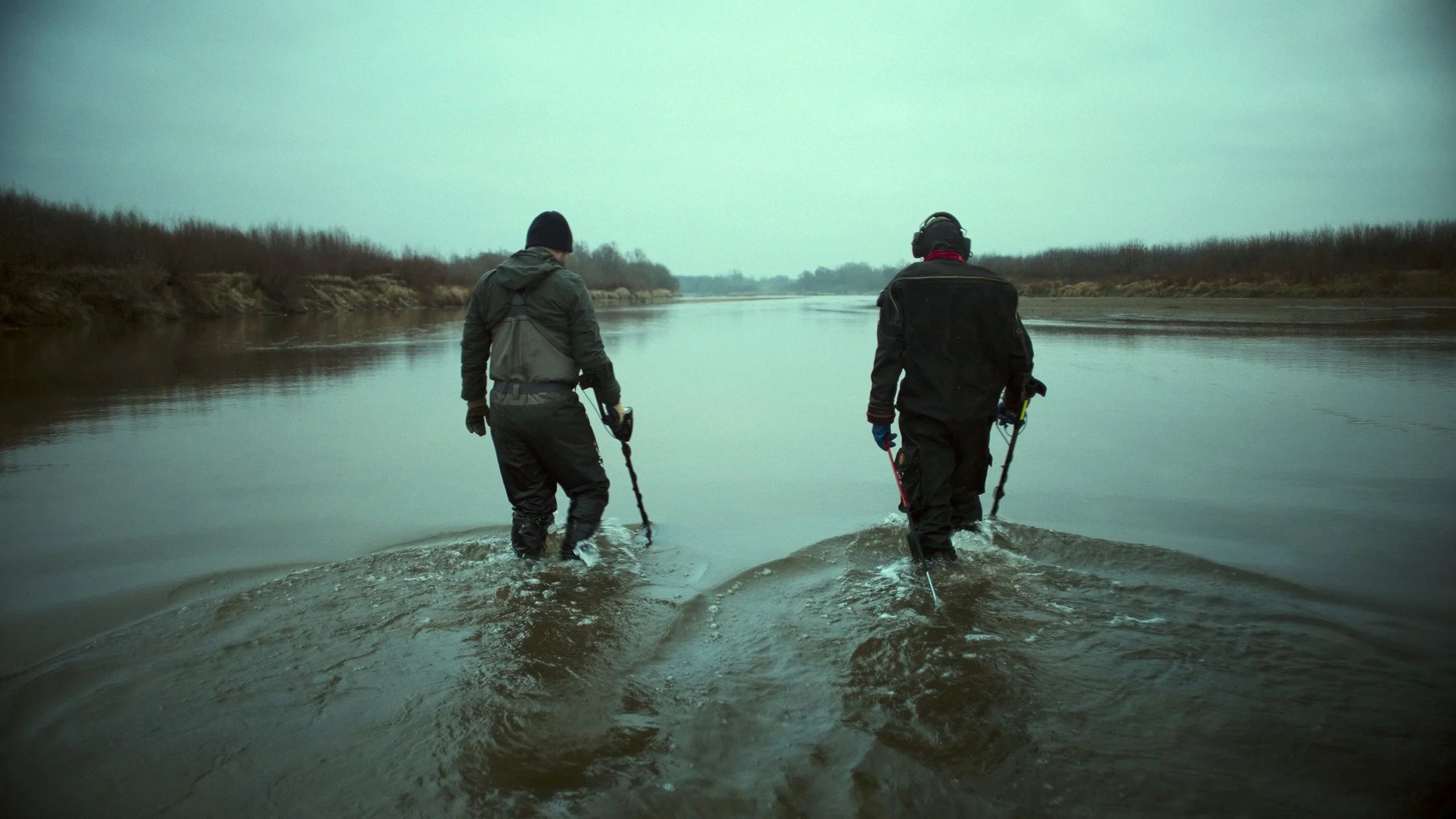
Humans crave an explanation for the things that happen to them. When someone dies or a relationship ends or a tragedy strikes, we search for meaning or something that tells how we got here. Daniel doesn’t believe his son committed suicide. Chris was last seen on CCTV footage on the bridge, where he stood for twenty minutes. When the camera finally moved, Chris disappeared. Daniel and his family are left guessing whether Chris ran away or if he knew when the camera would shift so he could jump without being seen. Daniel is desperate for answers. He’s on the river every single day. When he’s not there, he’s working on new tools that could help him in his search.
Credit: Michal Marczak
How does a father let himself stop looking for his son? Daniel knows it’s affecting his relationship with the rest of his family. He misses events, comes home late, and leaves early. He’s absent from people who are still alive and present. What Daniel grapples with is that he has no answers about his son. How does one go on living without an explanation? It’s maddening and heartbreaking that someone you love can be there one day and gone the next. Daniel explains that he and his wife searched every corner of Chris’ room for a note to help make sense of this, but they found nothing.
Closure gently observes a man as he tries to understand grief. It’s raw and lonely, because grief has a way of isolating you from the people you need to lean on. As the film goes on, Daniel starts to wonder if closure will ever come for him and, if it does, will it make the pain go away? There’s no correct response to losing a loved one, and wanting information about their final moments is normal, but Closure, perhaps not what the filmmakers initially set out to do, shows the uneven path to the film’s namesake. Closure is a fundamental breakage of what viewers expect from a true-crime or investigative documentary. It’s an urgent, fundamental reminder that these are stories of real people, first and foremost.

Follow me on BlueSky, Instagram, Letterboxd, TikTok, YouTube, & Facebook. Check out Movies with My Dad, a podcast recorded on the car ride home from the movies.
support your local film critic!
~
support your local film critic! ~
Beyond the Cinerama Dome is run by one perpetually tired film critic
and her anxious emotional support chihuahua named Frankie.
Your kind donation means Frankie doesn’t need to get a job…yet.