
The height of the original Club Kid era was the late 1980s to the mid-1990s. The election of Rudy Giuliani marked the initial decline. To be a Club Kid meant to be at the forefront of fashion, to party from sundown to sunup, and to partake in more than a few illicit substances. Of course, the Club Kids never died, they just changed as time went on. The line between them and online Influencers began to blur as the 2010s hit, which is when Jordan Firstman’s directorial debut, Club Kid, begins.
Peter (Firstman) is the epitome of a Club Kid. He does what he wants whenever he wants and consumes everything to excess. Peter’s a New York City party promoter who works alongside Sophie (Cara Delevingne) to throw hedonistic ragers around town. During one such event, Peter participates in a threesome with a man and a woman. It was just one crazy night in a series of extravagant nights in Peter’s life. When Club Kid skips ahead ten years later, it’s clear that Peter hasn’t thought much about that night, if he even remembers it at all. Not much has changed in those years for Peter. He’s still drinking, taking too many drugs, and staying out until all hours of the morning. Sophie is growing frustrated, as she wants to turn their party promotions into a real business. Peter gets a wake-up call in the form of a son, Arlo (Reggie Absolom), who he knew nothing about. Arlo was conceived during that fateful threesome ten years ago.
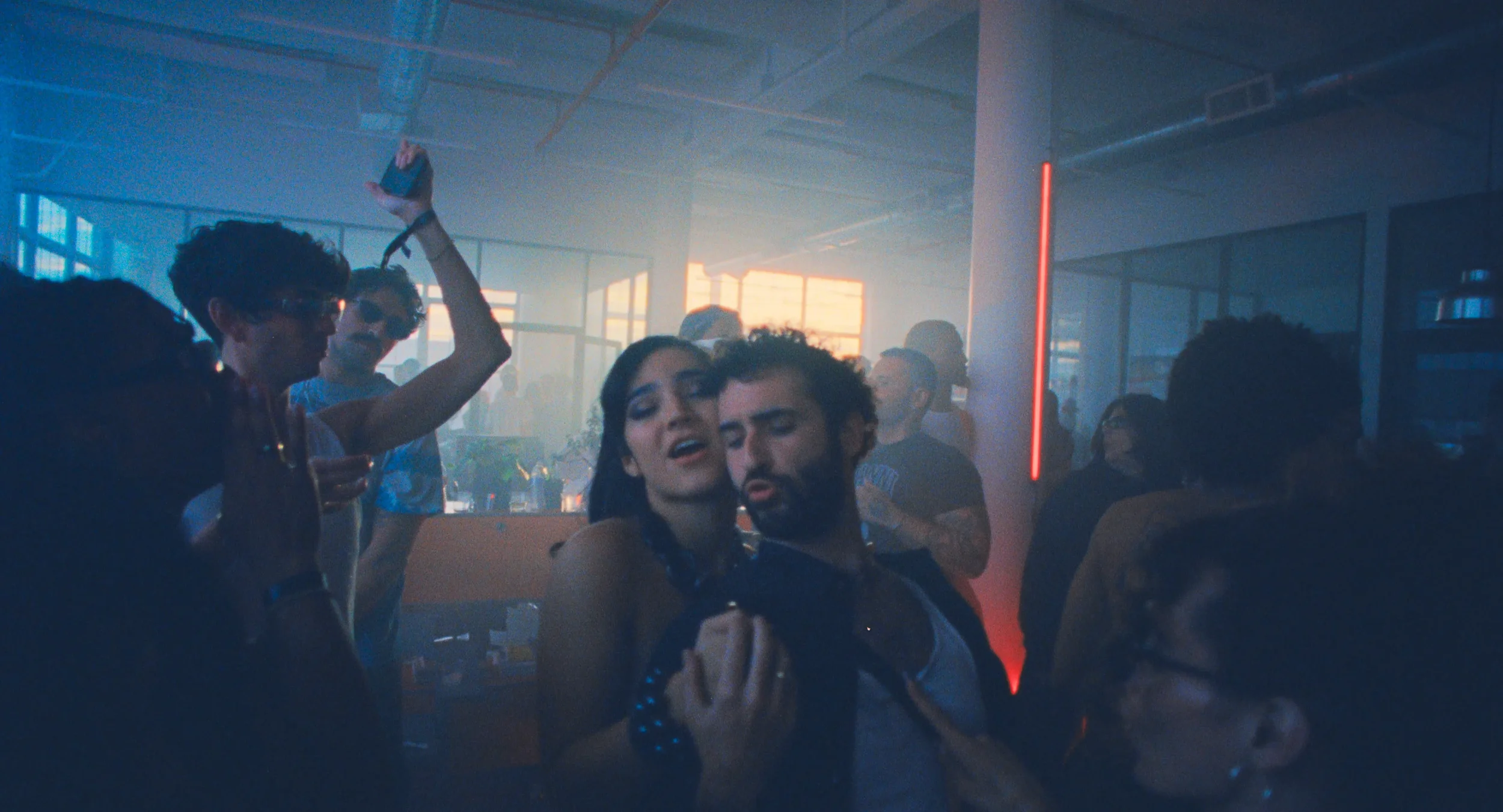
Courtesy of A24
When Club Kid premiered at the 2026 Cannes Film Festival, critics raved about Firstman’s debut as a writer-director. Similarly, the positive consensus grew as the film played at more festivals. Club Kid hides its heartwarming nature beneath a flashy exterior. Who doesn’t love a precocious kid who teaches an adult life lessons in a roundabout, charming fashion? It’s a tried-and-true structure that works because adults are often too in their own heads to recognize what’s going wrong. Kids see the world in a simpler fashion and, in doing so, provide the wisdom the adult in their life so desperately needs.
The issue with Club Kid is that all the emotional growth happens off-screen. When we meet Peter, it’s clear that he doesn’t care about anyone but himself. He’s selfish in the way we all are in our twenties, but when the film skips forward, he’s still the same. As Arlo’s sole parental figure, Peter is forced to change his ways. Club Kid shows the surface-level changes, like Peter cooking instead of eating out, taking Arlo shopping, etc. What the film doesn’t show, though, is the difficult sacrifices and conversations that have to happen when a party guy becomes a father overnight. Arlo comes to live with Peter because his mother killed herself and her boyfriend is physically abusive. It feels like an easy out to never have a meaningful conversation between Peter and Arlo about not just her death, but about the whole club scene in general.
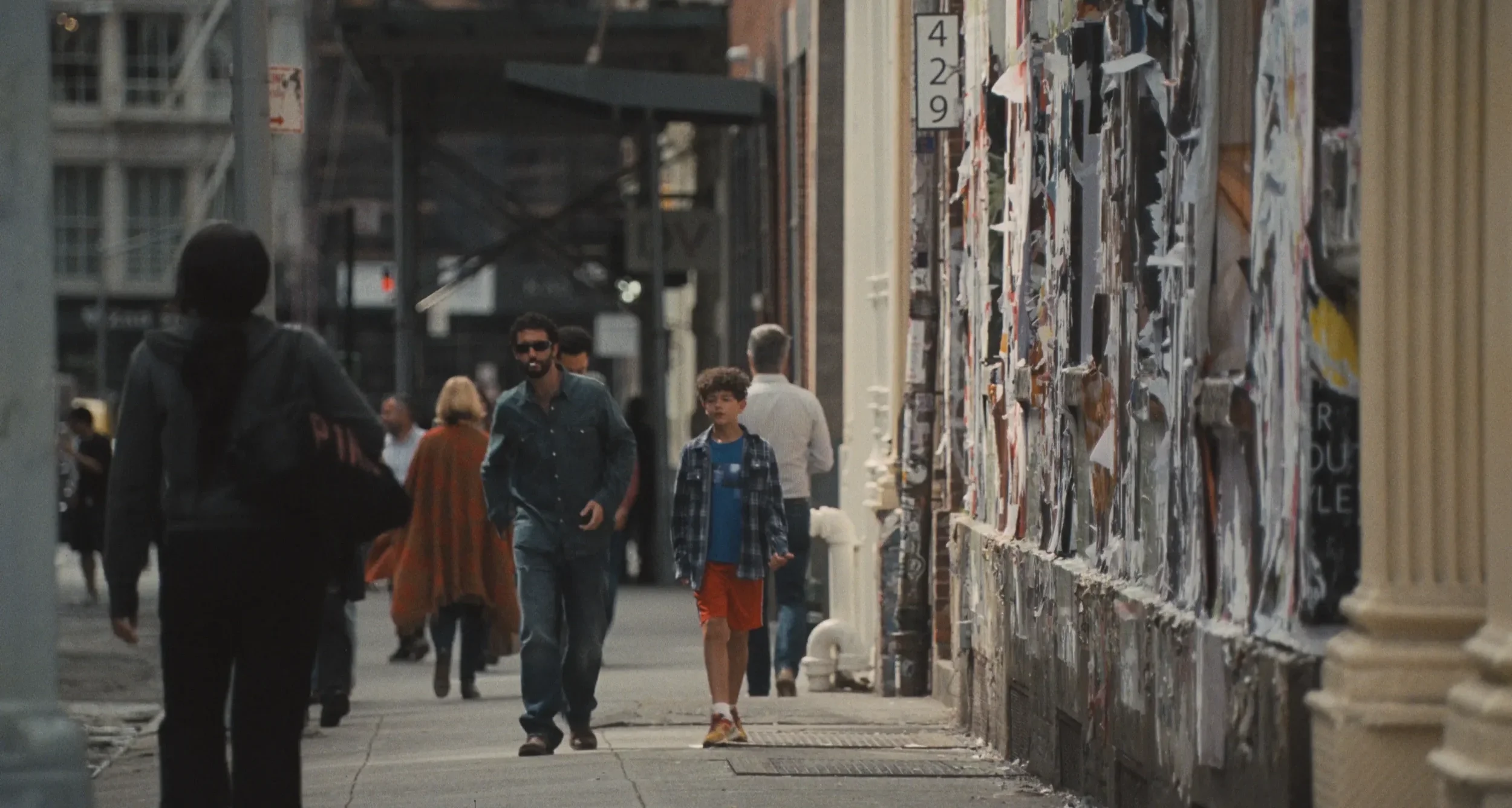
Courtesy of A24
Throughout the film, the audience is told that Peter has changed his ways, but they never see the struggle. Why make a movie about a person coming of age and changing their ways without showing us that strife? If change was easy, we would all do it when we had to. The Peter at the end of the film is far different from the one we originally met. He has his life together, but how? Scenes of transition and learning are the hardest ones to write and perform, but they are what elevates a film to something transcendent. Club Kid tells us far more than it shows us, which leaves a hollow feeling, as though the film is just guiding us through the expected story without making it feel sincerely grounded. Peter’s life is fundamentally upended, yet we don’t see the wreckage or the mess. Isn’t that why we’re watching it? To recognize a similar mess in our own lives and find some solace in the fact that if this fictional person can change, we can too?
Club Kid is sure to please many people. It hits all the feel-good beats of a movie one would want, even down to the tearful speech in front of a courtroom proving how much our character has changed. Club Kid is dazzling in its presentation of this story, but it’s the narrative that doesn’t deliver.

Follow me on BlueSky, Instagram, Letterboxd, TikTok, YouTube, & Facebook. Check out Movies with My Dad, a podcast recorded on the car ride home from the movies.
support your local film critic!
~
support your local film critic! ~
Beyond the Cinerama Dome is run by one perpetually tired film critic
and her anxious emotional support chihuahua named Frankie.
Your kind donation means Frankie doesn’t need to get a job…yet.