
A strange theme has been cropping up in this year’s film releases. It was while covering the 2026 Toronto International Film Festival for Film Obsessive that this pattern started to emerge. What Lies Between Us, Sisters, the 2026 Palme d’Or winner, Fjord, and Marie Kreutzer’s Gentle Monster all deal with allegations of assault toward children. While the circumstances of the films vary, it’s odd that this many movies have decided to build their script around this concept in this year. On further examination, though, they’re all concerned with individuals seeking truth and deciding who to believe when they’re presented with information that fundamentally alters the world as they know it. An understandable pursuit given the present reality we all reside in.
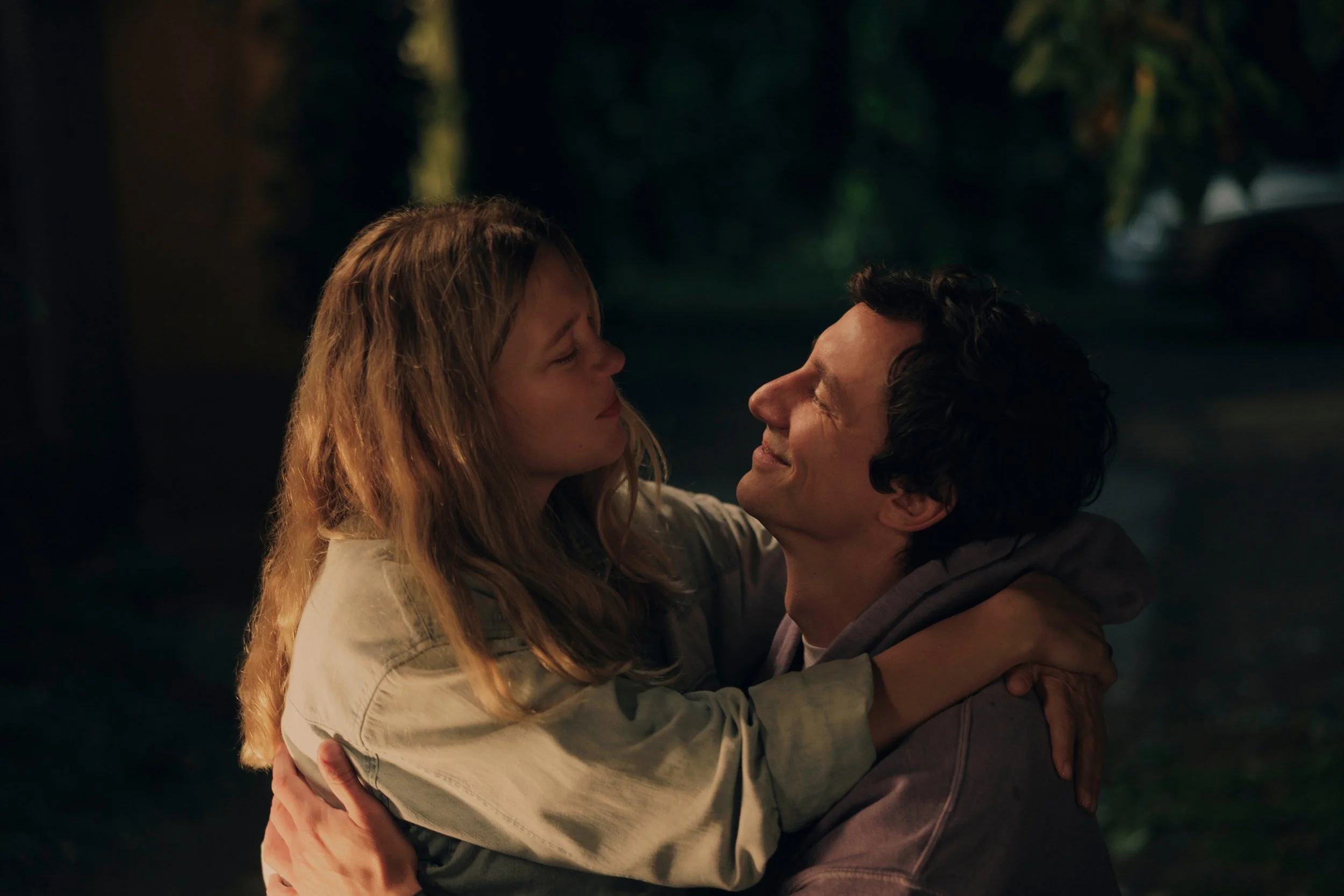
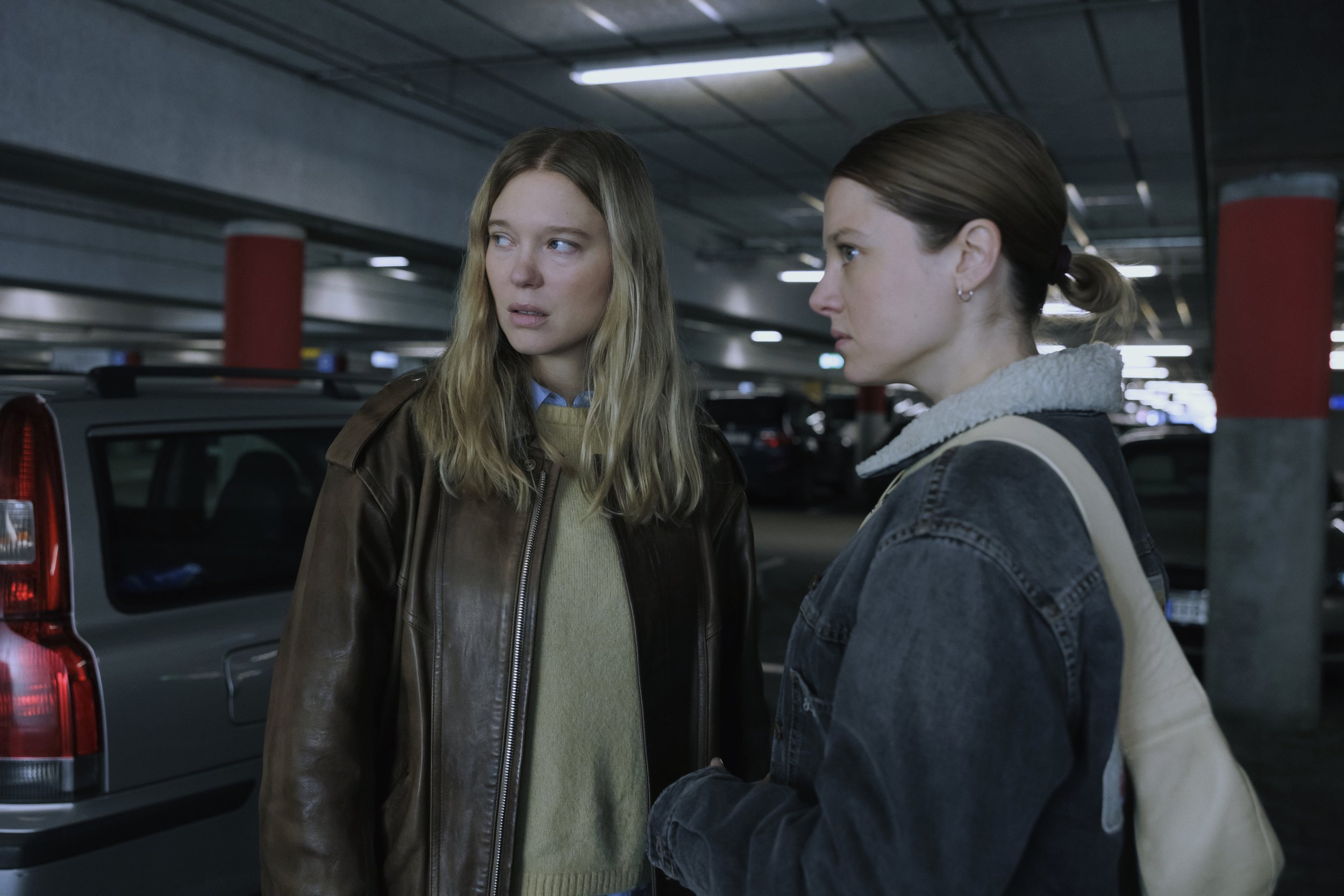
Artists Lucy (Léa Seydoux) and Philip (Laurence Rupp) live in Munich with their son, Johnny (Malo Blanchet). Lucy is a pianist and singer and Philip is a filmmaker. After Philip suffers from burnout, the family moves to the countryside where the cost of living is lower, but this means that Lucy is sacrificing a bit of her career momentum as she supports her husband. It’s an adjustment period, but they’re getting used to it. Everything changes when Munich police arrive at the family’s doorstep with a warrant to seize Philip’s computer, cell phone, and external hard drives. The inquiry is led by a no-nonsense investigator, Elsa Kühn (Jella Haase), who struggles to balance her work with caring for her ailing father (Sylvester Groth).
Courtesy of Netflix
The allegations levied against Philip are heavy. Elsa can’t tell Lucy much, but she explains that Philip was flagged by the police because of his activity on message boards used by people sharing child pornography. At the time the search warrant is executed, they aren’t able to say if Philip is making child pornography as well. It’s a complete shock to Lucy, and the scene where she finds out is a masterclass in subtlety from Seydoux. Lucy arrives at the police station, asks for Detective Kühn, and is pointed in the right direction. When Lucy enters the elevator, she sees that the second floor, where she’s been directed to go, is for crimes against children, specifically sexual crimes. It’s a harrowing moment for both Lucy and the viewer. The realization of the severity of what Philip has been accused of falls over the film like a heavy fog. Suddenly, the audience is questioning every choice they’ve seen Philip make up to this moment.
Gentle Monster played at the Cannes Film Festival alongside Fjord and you’d be hard-pressed to find a tougher double feature to watch. In Fjord, both parents are under investigation for abuse and their children are immediately taken away. In Gentle Monster, the couple’s child is never removed from the home and only interviewed once. It’s interesting to compare the reactions of the characters of these two movies. How they have to fight allegations and how those around them choose to believe them or shun them.
Courtesy of Netflix
The issue with both of these films is that neither pushes past the initial observations of what abuse can do to a family unit. When Gentle Monster fades to black, an end credits card appears that says “1 in 5 children in Europe are victims of some form of sexual violence.” It goes on to explain that most perpetrators of that violence are adults who are considered trustworthy and no threat to the children. It’s a devastating pill to swallow, and both Fjord and Gentle Monster show how insidious it can be. How it’s hiding in plain sight. However, both films suffer from not fully engaging with the premise they’ve created. Gentle Monster does a better job by showing Lucy and Philip having a conversation with one another that begins to press on the situation they’re in, but it never goes beyond observing that this is a reality that exists for some people. And if a film’s not willing to interrogate the scenarios it has created, the viewer’s experience is frictionless. A movie about a husband being arrested for possession of child pornography was never going to be an easy watch, but the film has the duty to unpack these situations as best it can.
Gentle Monster is led by a stunning performance from Seydoux, a reminder of why she burst onto the scene so confidently in Blue Is the Warmest Color. Seamlessly moving among three languages over the course of the film, Seydoux masterfully guides Gentle Monster as a quiet, frustrating piece of work that should be seen, but that requires some supplementary materials.

Follow me on BlueSky, Instagram, Letterboxd, TikTok, YouTube, & Facebook. Check out Movies with My Dad, a podcast recorded on the car ride home from the movies.
support your local film critic!
~
support your local film critic! ~
Beyond the Cinerama Dome is run by one perpetually tired film critic
and her anxious emotional support chihuahua named Frankie.
Your kind donation means Frankie doesn’t need to get a job…yet.