
The tale of Orpheus and Eurydice goes back to the early days of Greek mythology and has been retold in probably every format one could imagine. There are books, operas, movies, musicals, ballet, paintings, even video games. The story goes that Orpheus and Eurydice were happily married lovers whose time together was cut short when a snake bit Eurydice. She died instantly, and Orpheus ventured to the underworld to see her again. He performed such a beautiful song for Hades and Persephone that Hades cut him a deal. Eurydice was free to return to the land of the living, but for their entire walk out of the underworld, Orpheus could not turn around to see if she was following him. Director Virgilio Villoresi’s take on the story, Orfeo, has managed to find new life in this age-old tale.
Courtesy of Oscilloscope
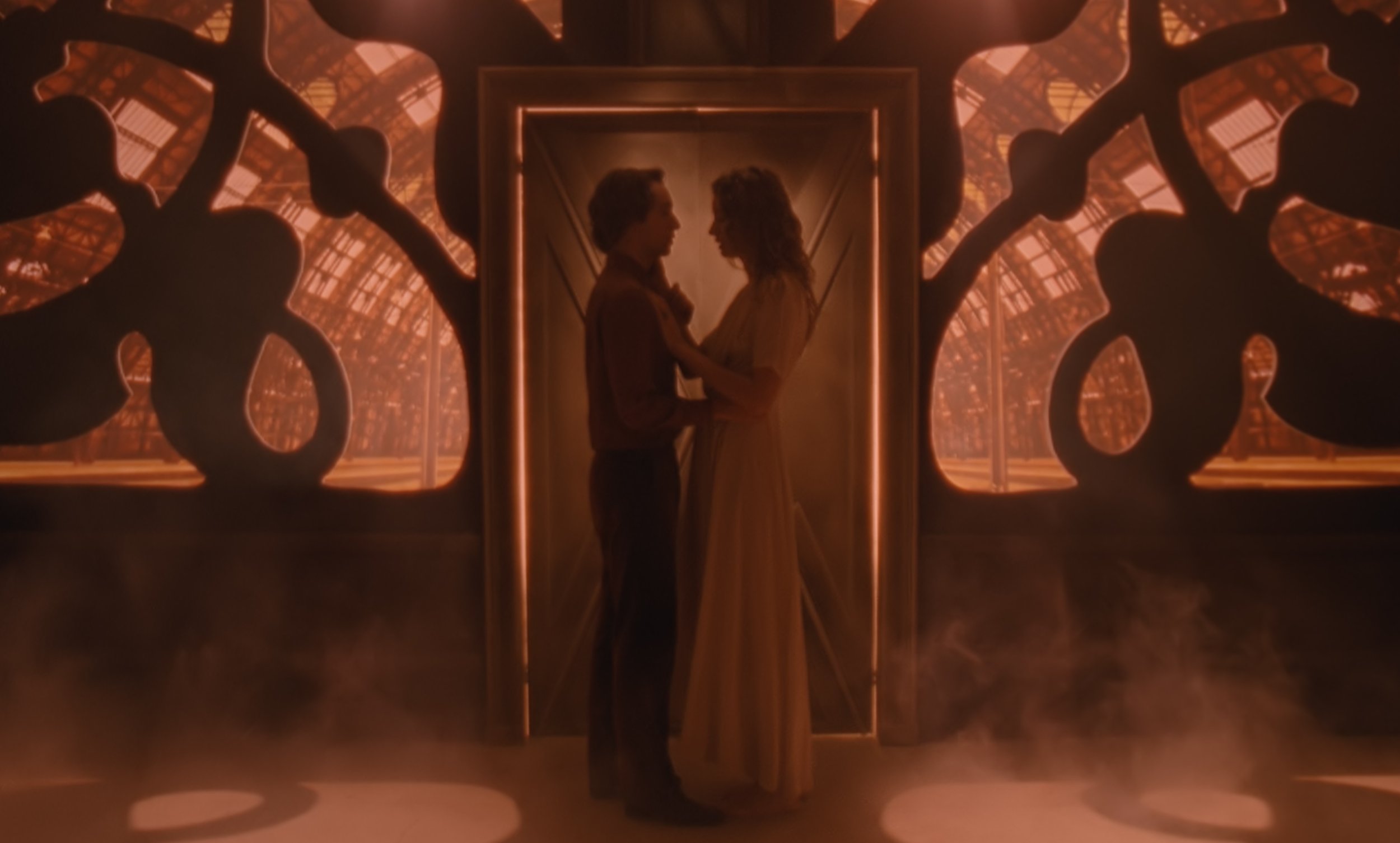
Orfeo (Luca Vergoni) is a lonely pianist who regularly plays at the Polypus, a local club. It’s there that he catches the eye of the beautiful Eura (Giulia Maenza), a ballerina. The two fall in love simply and easily, but it’s not a calm that’s meant to last. One night, Eura disappears without a trace, leaving Orfeo in distress. He eventually sees her entering the villa across the street from his childhood home. The image of this villa opens the film as Orfeo’s narration explains that there was something fantastical about the building and he would one day come to know it. That day is now, and Orfeo will not rest until he finds his true love again.
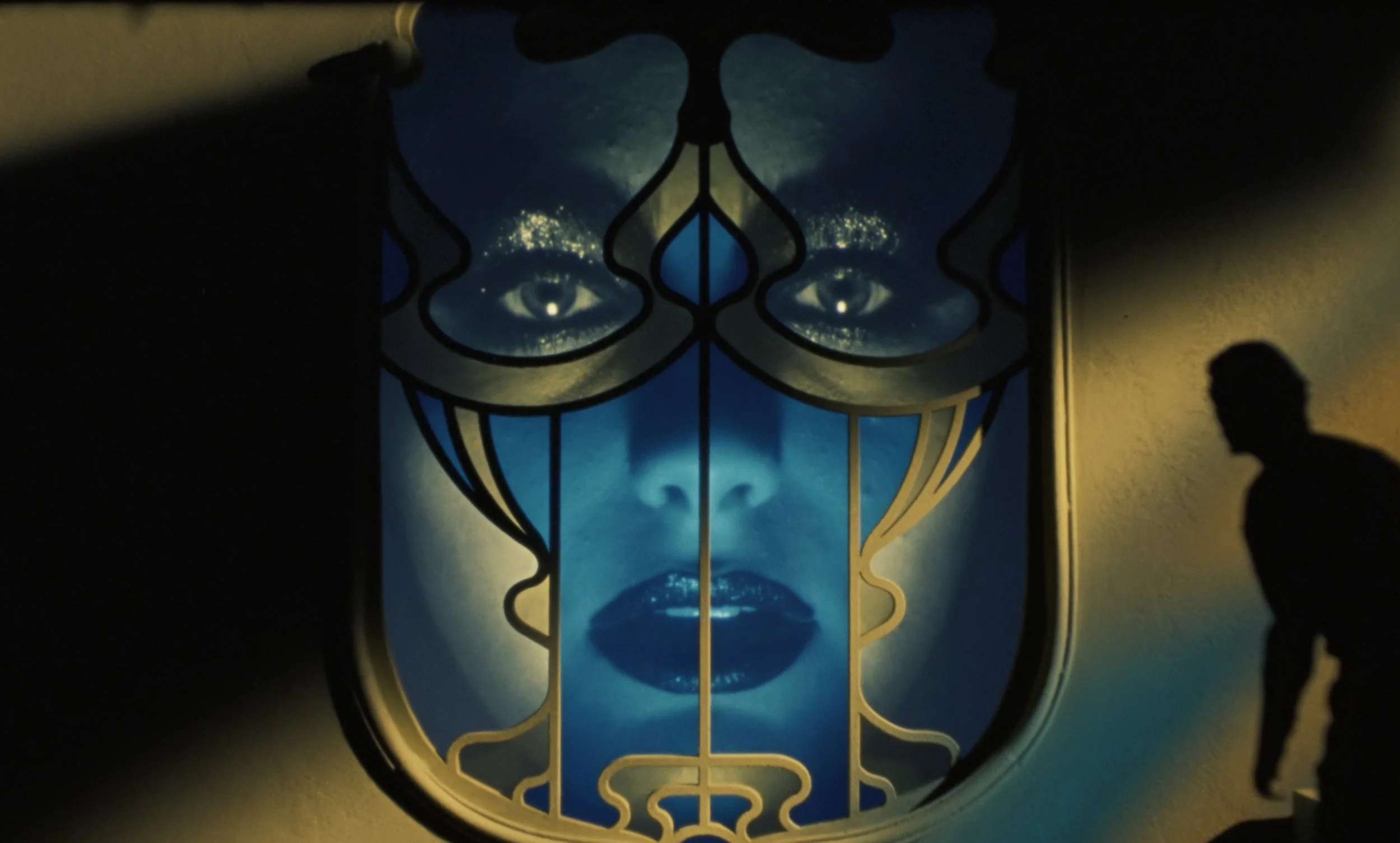
Orfeo’s production design brings Guillermo del Toro’s Pan’s Labyrinth to mind. Both are rooted in some realism, but there’s also something fantastical happening here. Pan’s Labyrinth is more grotesque in the monsters the main character comes across, but both have a singularity that makes them feel connected. Orfeo’s creatures and characters don’t look homemade by any means, but the touch of a human never feels far off. The magic of Orfeo is in imaginative design. The stop-motion, the whimsical-yet-dark afterlife, and the enveloping music make for a cinematic experience that captures the love and loss that have lasted for millennia. Villoresi translated the sensation of dreams to film, which is what makes Orfeo dazzling, surreal, and an experimental experience.
Courtesy of Oscilloscope
What does it mean that humans haven’t lost interest in telling the story of Orpheus and Eurydice? As Orfeo says while introducing his tale, it’s a story of love, loss, and an “unknown world.” One key component of this myth is that Hades will only let Eurydice return to the land of living if Orpheus doesn’t look back at her. For much of the journey, he doesn’t. His head stays forward, focused on the task at hand. Eventually, however, he turns, mere steps from the surface, only to see Eurydice sent back to the underworld forever. In Céline Sciamma’s Portrait of a Lady on Fire, the two main characters, after reading the story, debate whether turning is the lover’s choice or the poet’s.
Orfeo takes a similar approach to the inevitable end of this myth. “You kept her prisoner in your memory, in your regret,” the Green Man (Vinicio Marchioni) tells Orfeo. Perhaps that’s why the story endures and captures the attention of filmmakers to this day. Humans are bad at loving the person in front of them and good at loving the idea of them. Villoresi knows there’s no need to fundamentally alter the narrative beats of the myth, and instead allows his creativity to flow into the composition of Orfeo. The film is dreamily imaginative, a sensory playground that offers a tangible impression despite its two-dimensional constraints. Orfeo, like the iterations before, captures the loss that made even the old Gods weep, while the execution is like a lightning bolt to the medium of film.
Follow me on BlueSky, Instagram, Letterboxd, TikTok, YouTube, & Facebook. Check out Movies with My Dad, a podcast recorded on the car ride home from the movies.
support your local film critic!
~
support your local film critic! ~
Beyond the Cinerama Dome is run by one perpetually tired film critic
and her anxious emotional support chihuahua named Frankie.
Your kind donation means Frankie doesn’t need to get a job…yet.