
“Sheep in the Box” Doesn’t Open the Lid on AI
Artificial intelligence is permeating everything. It’s hard to find a corner of our lives or technology that AI hasn’t touched, and Hirokazu Kore-eda’s Sheep in the Box is not the first film to tackle the use of artificial intelligence in the grieving process. How can this supposedly miraculous technology handle an emotion that’s intrinsically human? Well, grief gets turned into a commodity, that’s how. Sheep in the Box takes place in the not-too-distant future, in a world that looks a lot like ours but hasn’t learned from the mistakes of our present.
Husband and wife Otone (Haruka Ayase) and Kensuke (Daigo Yamamoto) Komoto lost their son two years ago in an accident. They’re distant from each other and aching for their child, too distraught to change anything in his old room. Out of the blue, they receive a package from a company that’s in the business of alleviating the grief of a deceased loved one. The company creates humanoid robots from audio and video artifacts to give loved ones a chance to bring someone back to the world of the living. Otone jumps at the chance, but Kensuke is hesitant. Because their son died in an accident, the company offers the couple a robot free of charge. Suddenly, their Kakeru (Rimu Kuwak) is back, but this robot proves to be no more than a bandaid.

Courtesy of NEON
Sheep in the Box is named for a moment in the famous novella by Antoine de Saint-Exupéry. In The Little Prince, the prince asks the narrator to draw him a sheep, but none of the sketches live up to what the prince wants. Frustrated, the narrator draws a box with holes in it and tells the prince the sheep is in the box. This greatly pleases the prince because he doesn’t have to see the sheep, he can simply imagine it. Otone reads The Little Prince to the humanoid Kakeru and it heavy-handedly mirrors some of the reasons she wanted to have a humanoid version of her deceased son.
Kore-eda has profoundly humanistic filmography. The recent Monsterand the slightly older Shoplifters are pieces of film that will crack the viewer wide open. They’re about found families, adolescent friendship, and the world around them that tries to break them apart. That’s why it’s so surprising that Sheep in the Box feels coldly clinical. There has been a recent influx of films that are critical of artificial intelligence, and filmmakers have imagined exactly what Kore-eda has put on screen here. His concept of humanoid robots taking the place of a deceased person isn’t original, and Kore-eda doesn’t add anything to the conversation surrounding this new business of grief.
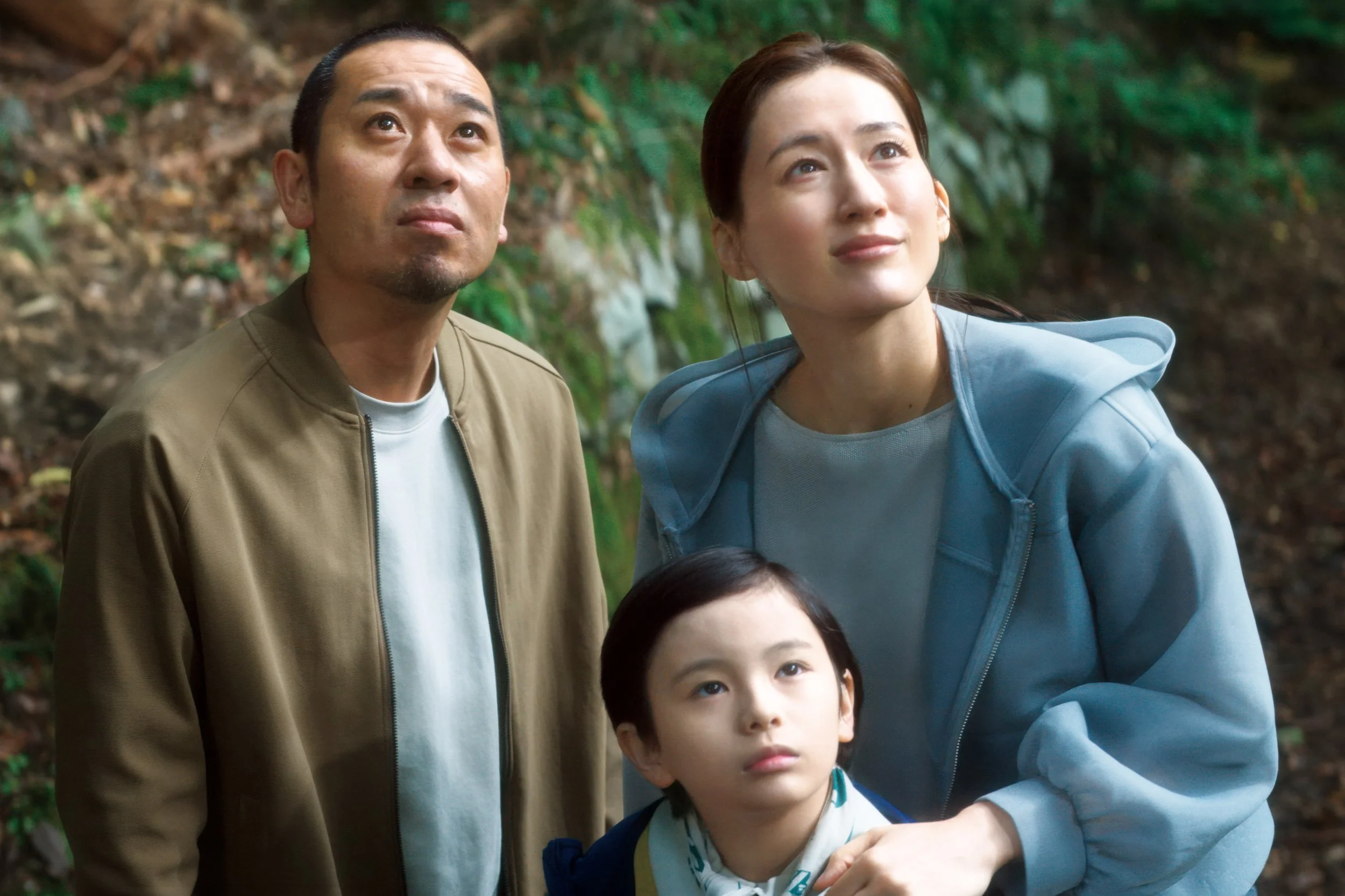
Courtesy of NEON
What wasn’t mentioned in the brief synopsis at the beginning of this review is the subplot about missing children. Otone and Kensuke believe someone lured Kakeru toward the train that took his life and try to use the robot version of their son to get new information. It’s an unnecessary addition to the plot. There’s more than enough emotional resonance and narrative drive in grieving parents using a robot to process or ignore their feelings. This storyline about missing children is distracting. There’s also another subplot that veers into spoiler territory and takes away from the film’s thematic core.
After Yang, The Shrouds, Be Right Back, Eternal You, Marjorie Prime — the list goes on of recent films that look at technology and the role of artificial intelligence in the way humans deal with grief. No one wants a loved one to die. It’s not an easy thing to experience, but it’s a part of life. We cannot beat death. These technology-based attempts to cheat what’s coming for us vary in terms of successfully celebrating the fact that life’s fragility and fleetingness are what make it unique. One of the women in Sheep in the Box who also got a humanoid robot explained that she “just couldn’t accept it.” That mentality feels similar to Kore-eda’s approach to the film. He doesn’t want to engage with this intersection of grief, technology, and commodification. What Sheep in the Box needs is Kore-eda’s trademark humanistic touch, and it’s a shame it’s missing.

Follow me on BlueSky, Instagram, Letterboxd, TikTok, YouTube, & Facebook. Check out Movies with My Dad, a podcast recorded on the car ride home from the movies.
support your local film critic!
~
support your local film critic! ~
Beyond the Cinerama Dome is run by one perpetually tired film critic
and her anxious emotional support chihuahua named Frankie.
Your kind donation means Frankie doesn’t need to get a job…yet.