
“Song Silenced: Coming Out in Christian Music” Makes a Joyful Noise
Music, perhaps more so than any other art form, has the ability to transcend the barriers that usually split people apart. Gender, sexuality, socioeconomic status, and nationality all become background noise when there’s a song that hits straight in the heart. Music is such an integral part of religious worship, but a group of queer Christians finds it difficult to reconcile their love for music with an organization that shuns them. Ry Levey’s Song Silenced: Coming Out in Christian Music is an empathetic look at the people who shaped Christian music as we know it and who also happen to be queer.
For many, the church is not only a place of spiritual worship, but a means of connection. It’s also where many of the people featured in Song Silenced first performed music — on stage at their local church. The documentary features interviews with Billy Newton-Davis, Marsha Stevens-Pino, Ray Boltz, and more. If you’re not in the know, that’s like saying a rock documentary is featuring interviews with Bruce Springsteen, The Beatles, and Joan Jett. Aside from being chart-topping, genre-defining performers, what the Christian musicians also have in common is that they came out as queer.
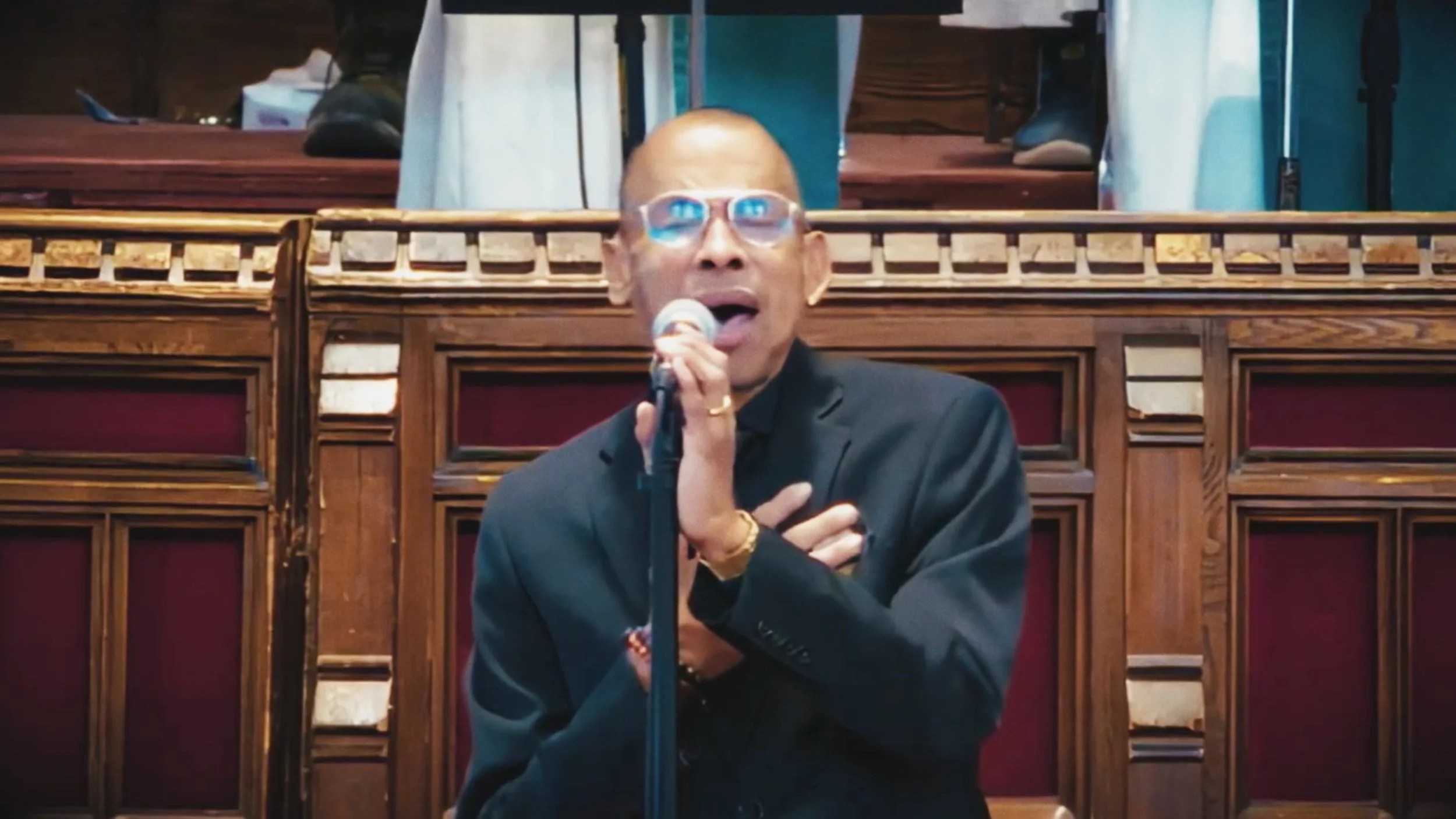
Courtesy of Song Silenced: Coming Out in Christian Music
Levey does an excellent job of easing viewers into the world of Christian music, especially the uninitiated, without ever slowing the film down to the least-informed person in the room. In his presentation of these greats, Levey is also giving them their due in a way they haven’t really received before. Artists like Billy Newton-Davis, Marsha Stevens-Pino, and Ray Boltz have been celebrated, but not wholly. Not for their music and their openness about their identity. Song Silenced gives them that recognition in totality.
Prior to coming out, Ray Boltz’s music was found in churches all around the world. One of the younger interviewees in the documentary mentions how one of Boltz’s songs, “Watch the Lamb,” was his dad’s favorite to sing at Easter. When Boltz came out, though, the song was never played again in their home. That’s a fascinating part of this story that the documentary sadly isn’t able to fully explore. What does it mean to these deeply religious people that the spiritual songs they connect with were written by people they believe should not exist? How do they make sense of that? I guess the answer, unfortunately, is the one shown in the documentary. It’s ignored. Locked in a box, never to be spoken about again, rather unpacking what it means that someone they supposedly hate could create something that could stir them spiritually. The documentary isn’t able to explore this friction because it seems unlikely that someone who holds these beliefs would be open to discussing them.
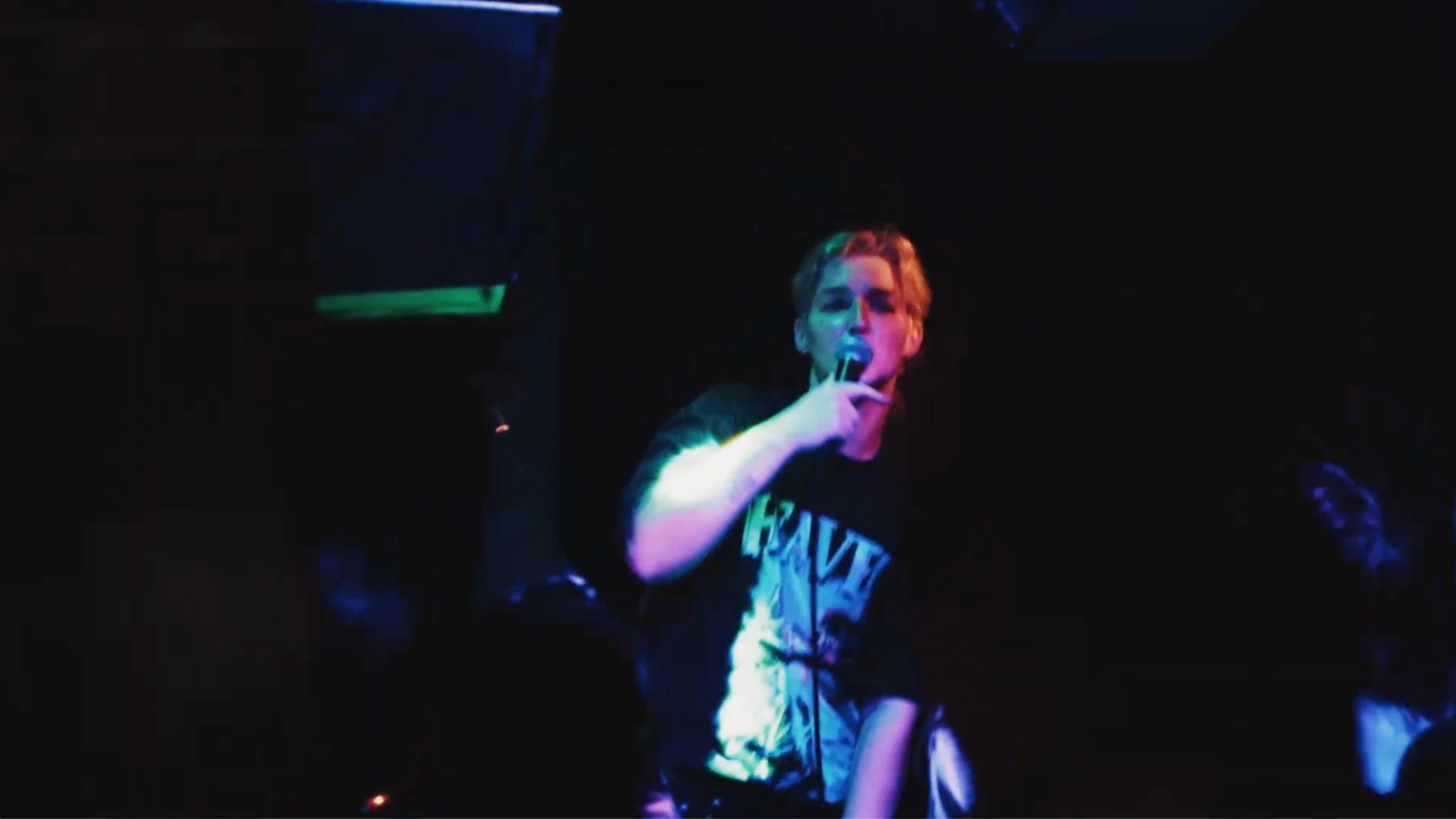
Courtesy of Song Silenced: Coming Out in Christian Music
“I’d rather have you hate me for who I am than try and make you love me for being someone that I can’t be,” Ray Boltz says. Many of the younger singers in the documentary look to Ray as not only a superstar in the genre, but as someone who understands the difficult decisions they’re faced with. Song Silenced covers an immense amount of ground for its modest runtime. The documentary features Black voices who talk about the intersection of sexuality, spirituality, and Blackness. There’s also mention of the resurgence of Evangelism and how easily that can be parlayed into manipulation.
“Having to lie is the saddest and ugliest part of homosexuality.” Song Silenced: Coming Out in Christian Music is beautiful truth that is far louder than those who try to take the music away.
Follow me on BlueSky, Instagram, Letterboxd, TikTok, YouTube, & Facebook. Check out Movies with My Dad, a podcast recorded on the car ride home from the movies.
support your local film critic!
~
support your local film critic! ~
Beyond the Cinerama Dome is run by one perpetually tired film critic
and her anxious emotional support chihuahua named Frankie.
Your kind donation means Frankie doesn’t need to get a job…yet.