
Britannica defines a micronation as an “entity that claims to be an independent state but whose sovereignty is not recognized by the international community.” Do not conflate micronations with Sovereign Citizens, they do not align with that group of people. Director Joe Kowalski’s Tribeca world-premiering documentary, Micronations, takes the viewer up close and personal to these sites of self-declared micronations. Some are as small as a rock, others are the size of a village. Kowalski’s documentary delves into how they came to be and how they act as a microcosm of sorts for the larger conversations countries are having about borders today.
Throughout the course of Micronations, the audience is introduced to all sorts of royalty. Kings, queens, and emperors of tiny nations decked out in tiaras and military regalia. People of all ages have found themselves involved in the sprawling community of micronation rulers. The documentary hones in on a few micronations of various sizes. There’s the Republic of Molossia somewhere in Nevada, which offers tours to “foreigners.” Or the small backyard Kingdom of Pibocip, made of bricks and too small for humans to visit. It’s both a crash course in a topic viewers may never have heard of and a moving reflection on what it means to have a place to call home.
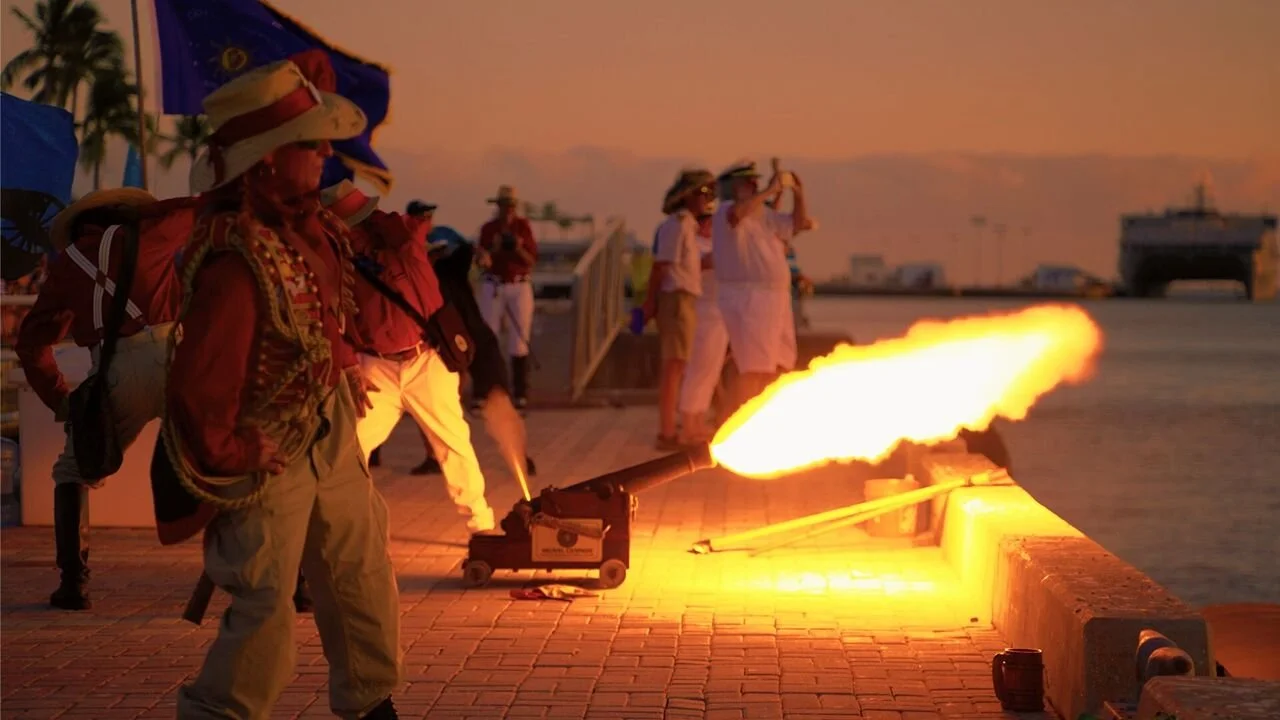
Courtesy of Tribeca
Micronations is a great bait and switch. The film lures you in with quirky nations like the Republic of Molossia, then asks sincere questions about what it means to have land. How it’s not something to take for granted. For some people, a micronation is a fun hobby that allows them to express their creativity and interest in political science. For others, like those in Vevčani and Dignity Village, it’s more than that. Vevčani is a village in North Macedonia that voted for independence after Macedonia gained its own separation from communist Yugoslavia. In the vote for Vevčani’s independence, only 36 out of 2,000 people voted against separation. Even so, Vevčani has not been recognized by North Macedonia.
Dignity Village is a membership-based community in northeast Portland. The community came out of Portland’s camping ban that made life difficult for unhoused people. This plot of land is owned by the city, and Dignity Village pays $1 a month for rent. On this land, an entire village has been created and describes itself as “a cross between a shelter option and an intentional community.” It is immensely difficult for unhoused people to gain access to aid, open a bank account, or otherwise take steps to find permanent housing, all because those things require a permanent address. That’s one of the intangible benefits of Dignity Village. Like Vevčani, Dignity Village is a true attempt at building something that will have a meaningful and positive effect on the lives of humans.
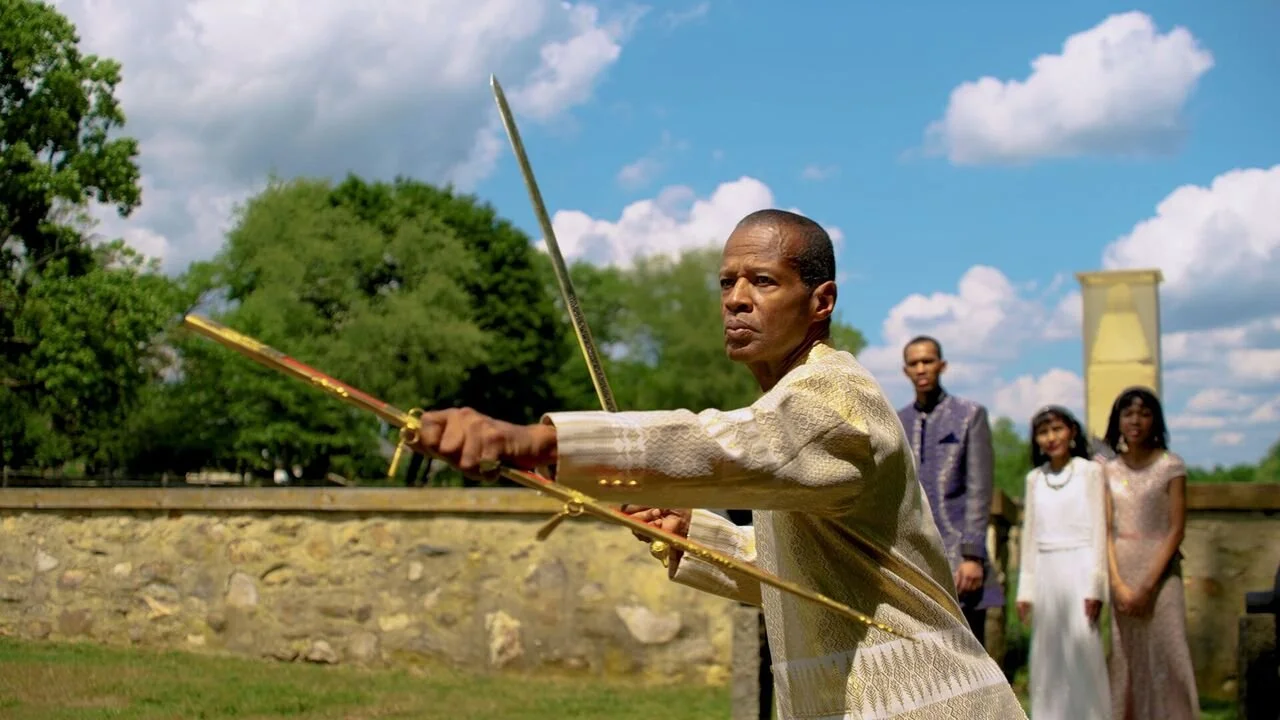
Courtesy of Tribeca
Even some of the more DIY micronations were born out of this desire to right the wrongs people see in the governments of larger nations. Some leaders noted that their micronation was started as a way to create a personal haven for LGBT rights when governments, like those of Canada and the United States, were installing laws that hampered the rights of members of that community. Micronations are a rebellion of sorts, proof that government and difficult decisions can be made in level-headed ways, as opposed to the way larger countries attempt to solve their problems.
Micronations thoughtfully captures the whimsy of those who have created a micronation more for hobby purposes, while also respecting those who want to use this idea of sovereignty as bargaining power for larger change. The documentary captures this deeply human need to be a part of something. Maybe that means putting your stake in the ground, however small that stake may be. Or maybe it’s a rebellion against the ideas of borders and the encroaching nature of nationalism. Whatever it may be, Micronations captures this world and the people who celebrate what micronations have the possibility to be.
Follow me on BlueSky, Instagram, Letterboxd, TikTok, YouTube, & Facebook. Check out Movies with My Dad, a podcast recorded on the car ride home from the movies.
support your local film critic!
~
support your local film critic! ~
Beyond the Cinerama Dome is run by one perpetually tired film critic
and her anxious emotional support chihuahua named Frankie.
Your kind donation means Frankie doesn’t need to get a job…yet.