
“‘Wuthering Heights’” is at a Low
Most kids of high school age are forced to read Emily Brontë’s 1847 classic Wuthering Heights. Some will skim, some will skip entirely, and others, perhaps like director Emerald Fennell, will mistake it for a once-in-a-lifetime romance instead of the critique of racism, classism, and revenge it’s intended to be. Fennell’s adaptation is stylized with quotation marks as “Wuthering Heights,” which caused much speculation in the months leading up to the release. Some believed, based on first-look images of the production design, that Fennell would take a different angle of approach to the classic novel and that this wouldn’t be a true adaptation. That much has proved to be true, but not in the way speculators were expecting.
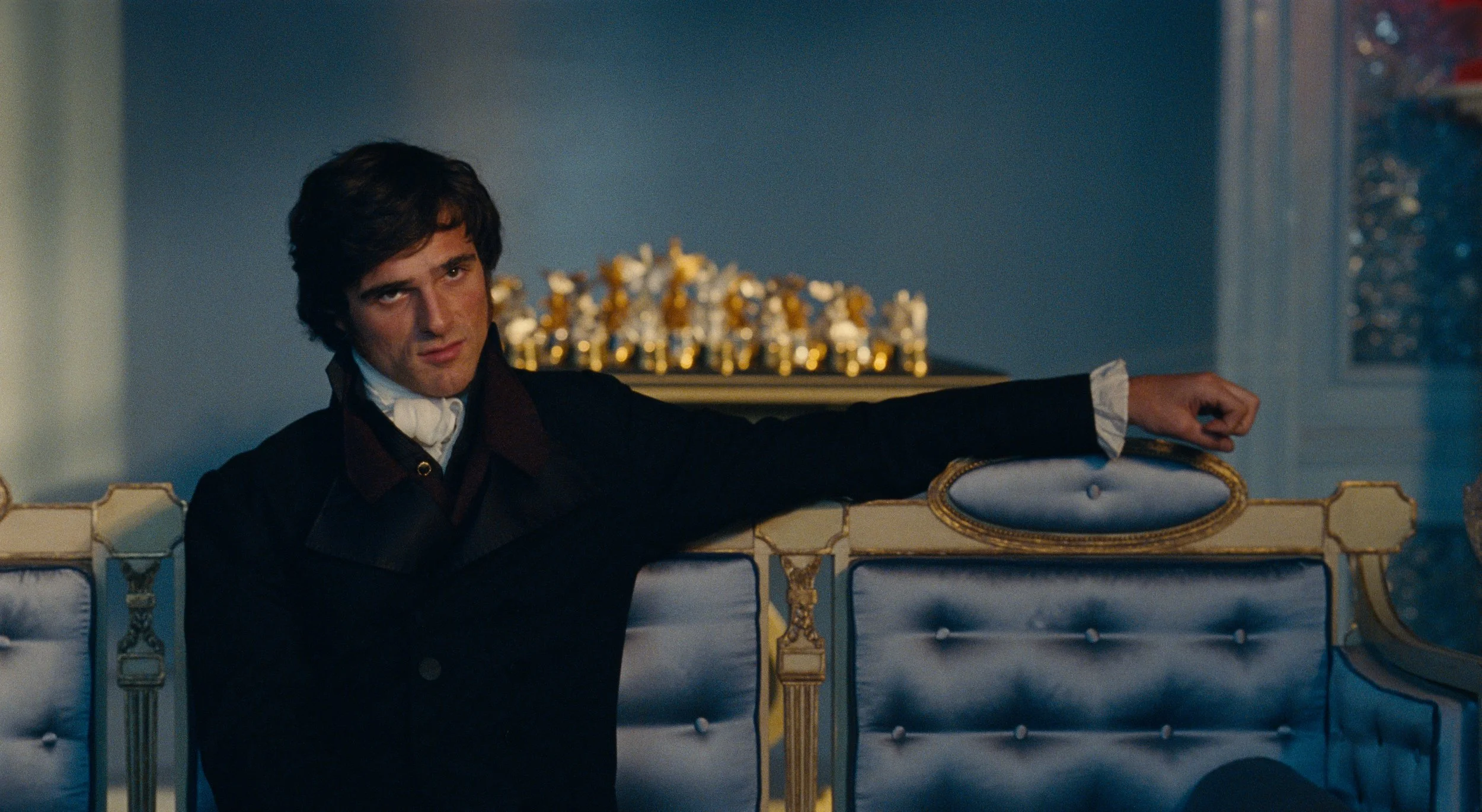
Courtesy of Warner Bros. Pictures
On the Yorkshire moors in 1771, Catherine Earnshaw (Charlotte Mellington) lives with her abusive, alcoholic father (Martin Clunes). She spends much of her time with Nelly (Vy Nguyen), her companion, but young Catherine longs for something more. Her prayer is answered in the form of a nameless boy brought home from the pub by her father. This boy, named Heathcliff (Owen Cooper) by Catherine, has no family, so he joins the Earnshaw family. Catherine and Heathcliff become inseparable, dancing around the fact that a crush is blossoming between them. Six years later, Catherine (Margot Robbie) and Heathcliff (Jacob Elordi) still live on the estate of Wuthering Heights, but it’s falling into disrepair. Catherine plans to marry Edgar Linton (Shazad Latif), a wealthy man who just moved in next to the estate. This revelation breaks Heathcliff’s heart and he disappears. In the years after, the two come and go into each other’s lives, despite the fact that Catherine has married Edgar.
There is so much rage in the original text that is also present in “Wuthering Heights.” Cruelty flows freely from one character to the next, but because Fennell chose to cast Elordi as Heathcliff, the film loses the essential component of why so much of the ire is pointed at Heathcliff — his race and class standing. It’s certainly a choice to take a novel like this one, strip it of what has made it endure for hundreds of years, and turn it into a star-crossed romp. This was never a love story, but something more akin to a Gothic horror.
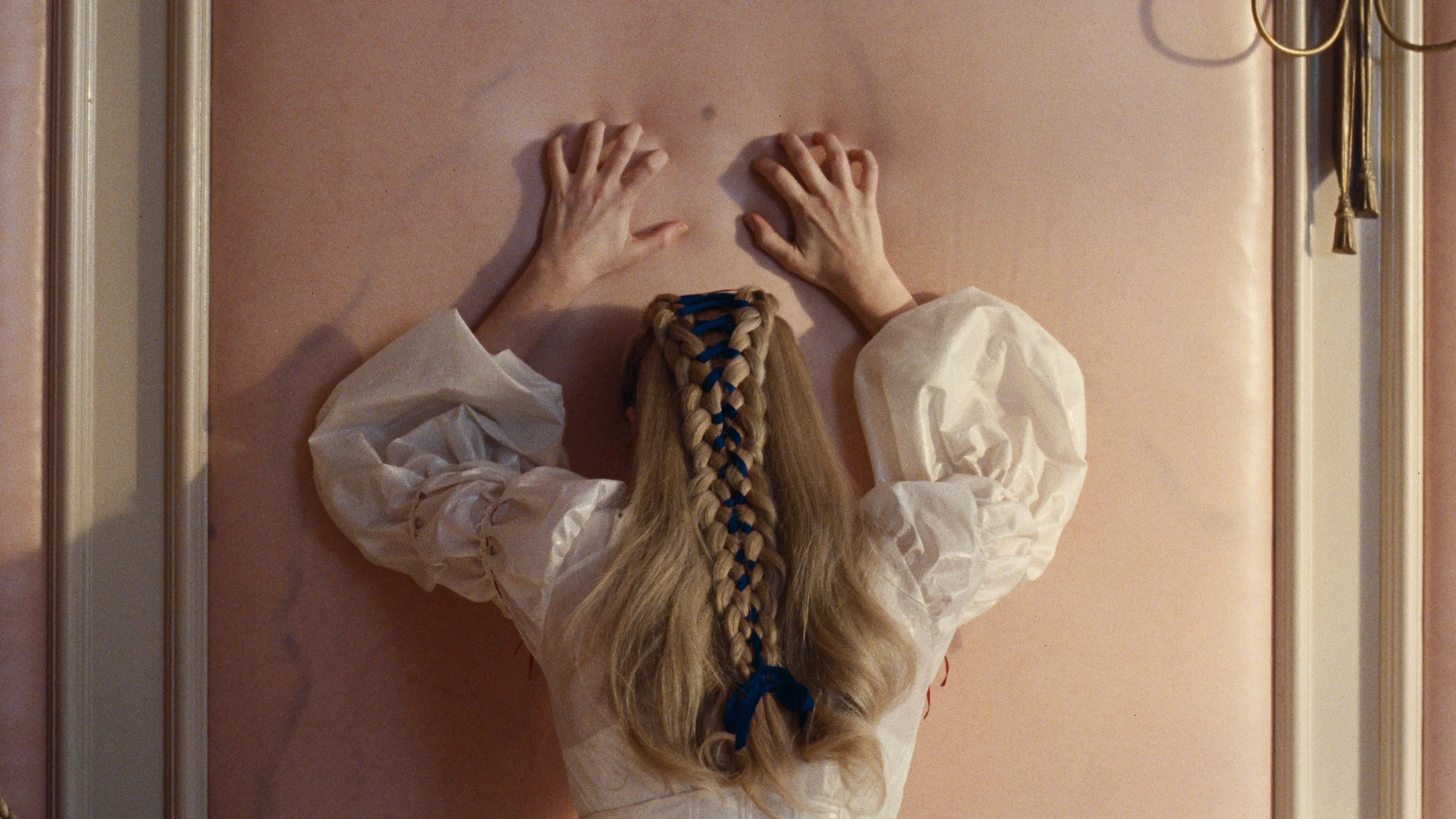
Courtesy of Warner Bros. Pictures
What Fennell has crafted here is the bodice-ripping version of Brontë’s famed work. She even includes a shot of Heathcliff on horseback, long hair flowing in the wind at the golden hour. It’s a picture-perfect copy of a romance novel cover, an interpretation of Wuthering Heights that was formed in high school. Catherine and Heathcliff are like that couple from your high school who are so toxic. Everyone can see it, everyone knows it, except for Catherine and Heathcliff. They see themselves as the pinnacle of love stories, too self-absorbed to understand the way they’re ruining each other. Brontë’s novel understands that Catherine and Heathcliff are not to be idolized, yet Fennell’s “Wuthering Heights” paints these two as star-crossed lovers doomed by life and circumstances to live apart, while also barely presenting a reason they couldn’t stay together.
“Wuthering Heights” is a faithful adaptation in the sense that this is the version of the book that a lovestruck, hormones-raging teenager would craft. It’s opulent, sweeping, and in over its head without even realizing the water has been rising. If Fennell wanted to make a movie about BDSM in the time of misty moors, she could have. It just didn’t have to be an adaptation of Wuthering Heights, a novel rooted in the idea of possession and how that manifests in relationships and power dynamics. Fennell has distilled Brontë’s words into sultry, sensual trysts with heaving bosoms and stormy eyes beneath floppy bangs. This is not a film about yearning, no matter how much it wants to be. This is a story of violence and the power structure it provides. “Wuthering Heights” is a teenage love affair, shiny and feverish, burning bright, but ultimately imploding upon itself because it’s playing with things it doesn’t yet understand.

Follow me on BlueSky, Instagram, Letterboxd, TikTok, YouTube, & Facebook. Check out Movies with My Dad, a podcast recorded on the car ride home from the movies.
support your local film critic!
~
support your local film critic! ~
Beyond the Cinerama Dome is run by one perpetually tired film critic
and her anxious emotional support chihuahua named Frankie.
Your kind donation means Frankie doesn’t need to get a job…yet.