
deadCenter: “What Will I Become?” is Vital for Our Times
“If the film’s themes of loss or harm speak to your experience, may this be a reminder — you are not alone. Thank you for being here.” These are the words that open What Will I Become?, the directorial debut of Lexie Bean and Logan Rozos. Those last five words are particularly vital, given the community Rozos and Bean are speaking to and part of. The American Academy of Pediatrics estimates that over 50% of transgender boys attempt suicide. In What Will I Become?, Bean and Rozos look at their own experiences and those of two other young trans men who died by suicide.
Courtesy of What Will I Become?
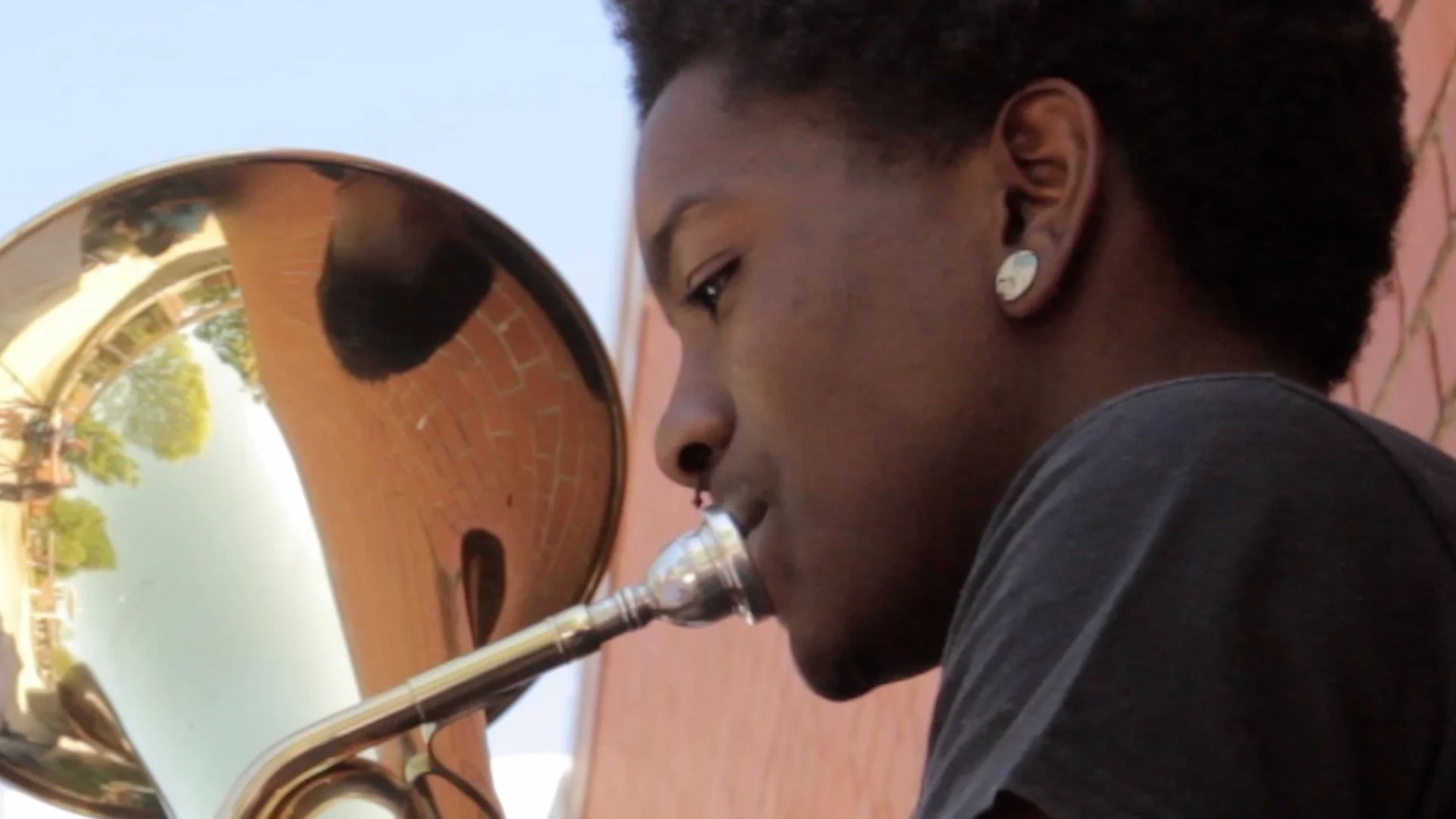
Blake Brockington and Kyler Prescott are polar opposites. Blake dreamed of, and achieved, winning Homecoming King at his high school, while Kyler was a much more soft-spoken boy. The two shared a love of poetry, music, and advocacy, even though they grew up on opposite sides of the country and never met. Blake’s story is primarily told through his own words from interviews he did about his pursuit of the Homecoming King title. It also features interviews with his loved ones. It’s Kyler’s parents who tell his story with a few select firsthand materials from his life.
“What do we do with our community’s collective heartbreak?” asks What Will I Become? In a sense, this film is an answer to that question. As the opening line of the film reminds the viewer, Rozos, Bean, and everyone involved in the film are seeking to make trans people feel less alone. When talking with Beyond the Cinerama Dome, Bean emphasizes that even if someone did not watch the documentary, they hope the mere existence of it and the summary will provide some comfort. There are resources that exist to uplift trans boys and the LGBTQIA2S+ community that come from lived experiences. T-Man is a hiking group run by elder trans men, Darb Garb creates accessories that provide a safe means of gender-affirmation, and the Trans Lifeline is a peer-staffed call line. These are resources from people who understand the needs of their community and, as such, are at immense odds with the more well-known means of finding support. As in Kyler’s case, when young people and their families turn to traditional methods of support, it can cause more harm than good.
Courtesy of What Will I Become?
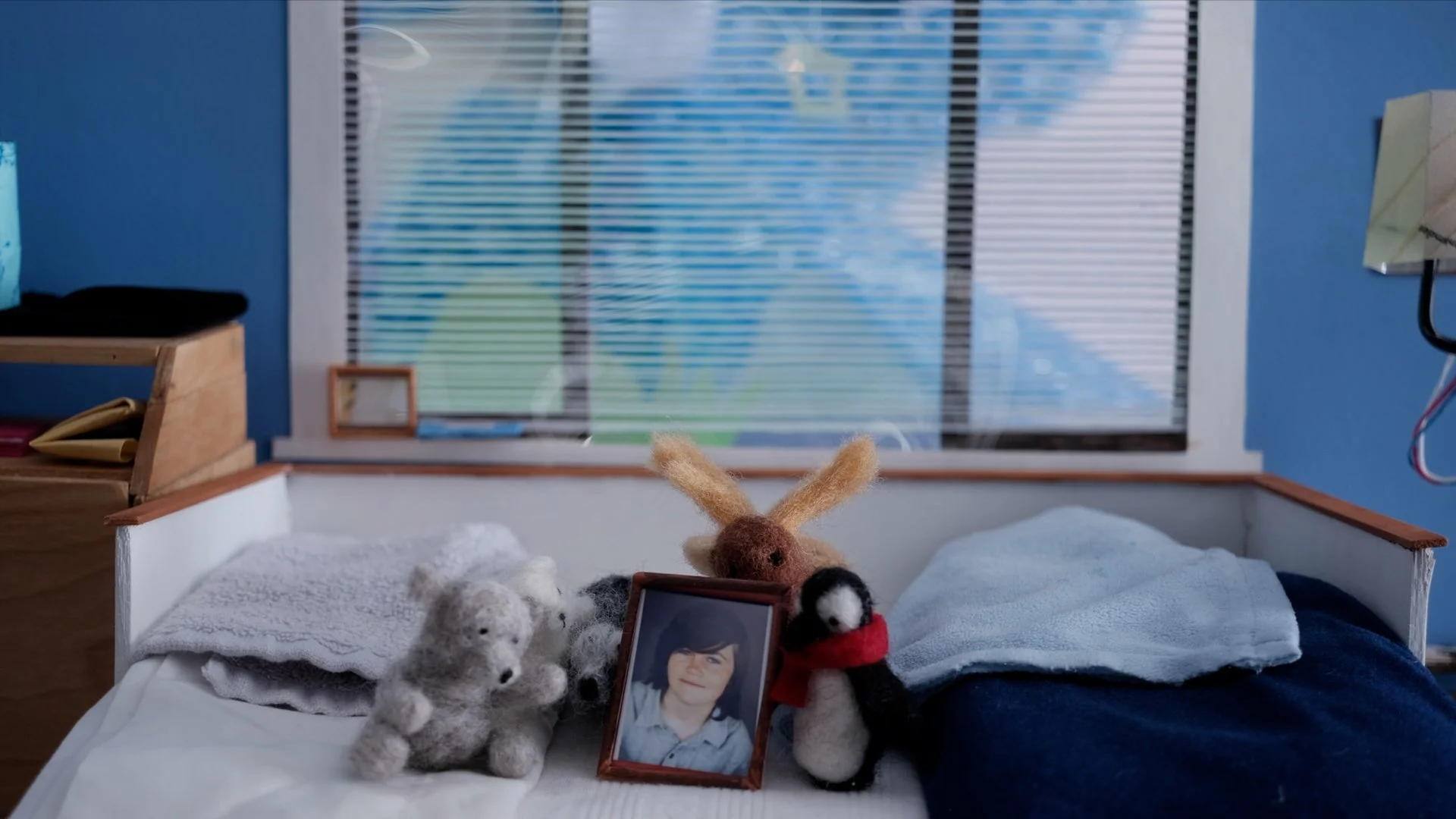
A feeling of community is woven into everything about What Will I Become? Rozos and Bean serve as narrators of sorts for the film, but do so from the safety of a blanket fort. In this case, they’re a community of two. They share their own story so the other can hear about their friend’s life, but also potentially learn something that will help them in their own. The community of What Will I Become? grows as the film goes on. Toward the middle, one of Kyler’s poems is turned into a song that was written by a collection of queer artists. The community grows even further to include Blake’s family and friends, Kyler’s parents, the participants and creators of the various resources, and the viewer.
The movie ends with the same sentiment: “Thank you for being here.” It’s a phrase that keeps coming back to mind as this review is being written. There are things we can all do to ensure that our trans friends and family know they belong here. Reading this review, watching the movie, logging it on Letterboxd, and telling a friend are all ways to further the efforts of those involved in the film. Even though they may seem more passive than some of the resources and actions in the documentary, little things add up to larger change. What Will I Become? tells the viewer that there’s a future waiting for them and that it will be better with them there. Here. Thank you for being here.

Follow me on BlueSky, Instagram, Letterboxd, TikTok, YouTube, & Facebook. Check out Movies with My Dad, a podcast recorded on the car ride home from the movies and I Think You’ll Hate This, a podcast hosted by two friends who rarely agree.
support your local film critic!
~
support your local film critic! ~
Beyond the Cinerama Dome is run by one perpetually tired film critic
and her anxious emotional support chihuahua named Frankie.
Your kind donation means Frankie doesn’t need to get a job…yet.