
Tribeca: Jessica Chandler Talks Death and Life in “Death Boom”
Humans struggle to talk about death, but director Jessica Chandler has made an entire documentary about the business of dying. Death Boom, which had its world premiere at the 2026 Tribeca Film Festival, follows Chandler and horror legend Eli Roth as they explore what happens to people when they die. The kids of the Baby Boom are getting older and the death industry, and world at large, is not prepared for what happens when their time comes. What begins as a look at the environmental impacts of cremation and traditional burial leads Chandler to funeral conventions, body farms, and the courthouse.
I want to start twenty years ago, because I read that’s when you and Eli first conceptualized making a documentary about death. Do you remember that initial kernel of the idea? What made you decide to pick it up twenty years later?
Jessica Chandler: My mom met a man online back then who she was arguing with, of course, about the war in Afghanistan. My mother is an amazing hippie. She was like, oh, I met this jerk online. All of a sudden, she was saying, he’s actually very nice, we started talking and he’s a mortician. She’s like, you would probably be into this.
I chatted with him and I told Eli about it. We thought, oh, man, let’s do a horror documentary about this stuff. The mortician was telling me all the macabre stuff, but then, the little thing he said that stuck out to me was how it was affecting the environment. It was just a throwaway for him.
We were close to getting it made back then, and I always say it’s a good thing we didn’t because it probably would have been ridiculous. A few years ago, Eli sent me a text and said, hey, what about we try to do this again?
The mortician my mom used to talk to was named Daniel, and I couldn’t find him. He was impossible to find. I started reaching out to people online because everyone has a social media presence, even morticians. I met one, then I met another, and then the world opened up. With documentaries, once you get in there, the world just explodes for you.
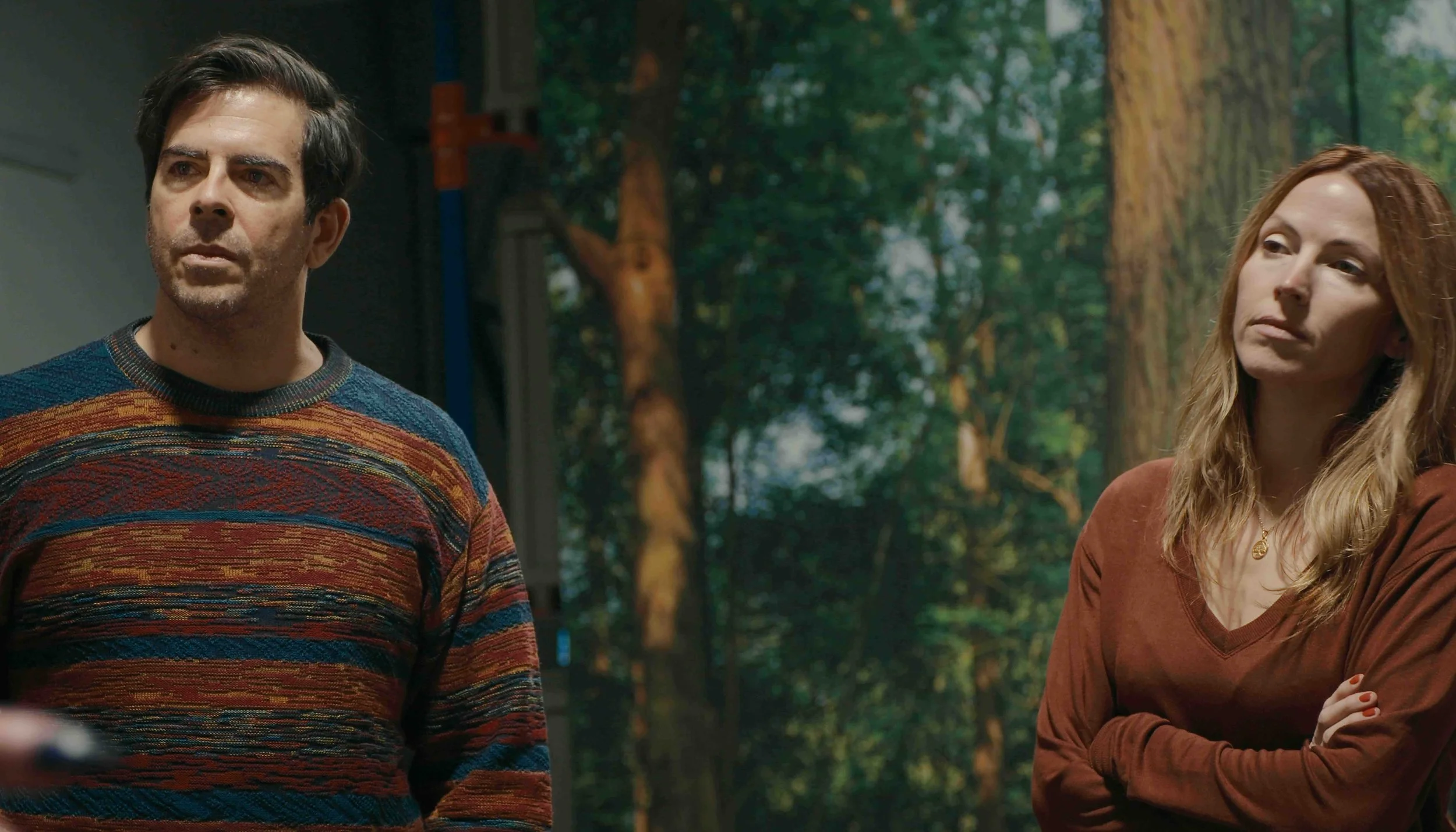
Photo courtesy of Brennan Full
It seems like the funeral convention scenes were some of the earliest ones you shot. My mom, since day one, has told me that she wants my sister and me to donate her body to science, so I feel like I was coming into this documentary with a much different headspace than a lot of people. Still, the convention scenes really threw me off because they’re such strange events. Was that the moment you started to realize, oh, we have something much deeper here that we can really go into?
You totally nailed it. That’s exactly what happened. I went to the first convention without a crew just to see what was going on. I was like, oh my God, this is the afterlife in Beetlejuice. It was so wild.
Like most documentaries, we have so much footage we couldn’t use because of the time restriction. There are so many subjects about the world of death care, the disproportionate pay that happens for the workers, and much more. In editing, it was so hard to kill those ideas and concepts that I was just like, oh, we have to do this as a series one day because there’s so much to cover.
You always go in with one idea for a documentary and then you can’t help it. You’ve got to go where the world takes you. I didn’t know anything about death care until we got into it.
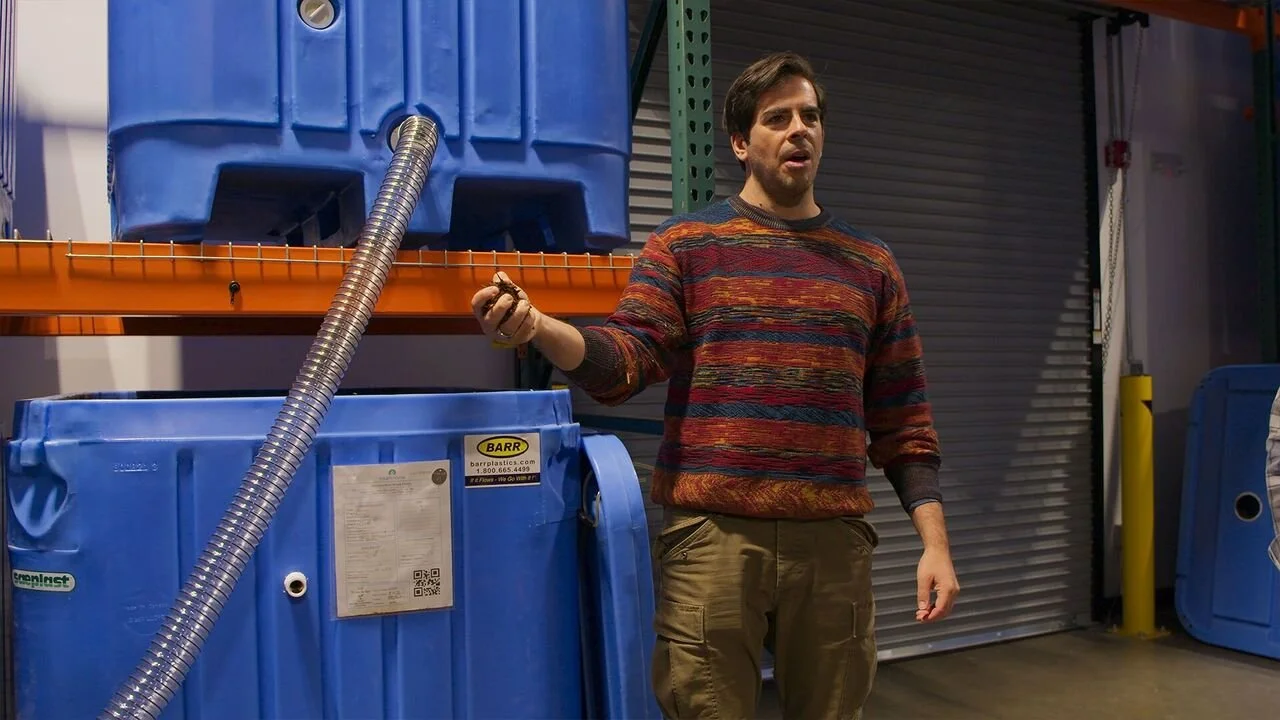
Photo courtesy of Brennan Full
I was struck by how much you were able to touch on in the documentary. You talk about the environmental aspect of it, the legislation and the religious angle that comes into it, personal stories, etc. Can you talk a little more about the process or deciding what to cut from the film?
We tried to stay as close to the thesis as possible. We stayed on track, not knowing where we were going to end up, if that makes sense. We wanted to show the environmental aspects. We didn’t want to harp on the environmental stuff, we didn’t want to do a doom documentary. We wanted it to be positive.
We wanted to explain that, yes, these methods are what we all think are the only methods we think we have. With these options, there are some drawbacks, health-wise, environmentally, but we also wanted to show the greener options. What we didn’t know was that these greener methods aren’t available in a lot of states, not because we don’t want them or we don’t know about them, but because they’re not legal. That’s why we don’t know about them. That’s why we don’t think they’re an option for us. We wanted to explore these options, but we didn’t know they were being blocked severely as they are, and for ridiculous reasons.
If we were to make this into a series, I would like to bring some focus to the death care workers and show what their job entails. Not the grotesque stuff, but more of the actual toll it takes and how hard they work. I do think they get a bad rap for ripping people off and doing ridiculous things. The truth is that these independent funeral homes and family-run funeral homes aren’t doing that. They’re trying to serve their families. When you think about what they do, their job is 24 hours a day. We have some funeral directors coming to the screening, and what they have to do to just get away for a day is ridiculous.
There’s sexism that exists within the funeral industry. There’s horrible pay. I think that comes from the corporate funeral homes. I always say there’s a clear line between the family/independent funeral homes and the corporate funeral homes.
There’s also the process of greener burial and greener disposition methods. It’s really interesting. The science behind water cremation and composting is incredible, but simple. Our bodies are meant to return to the earth. We’re meant to break down in the soil.
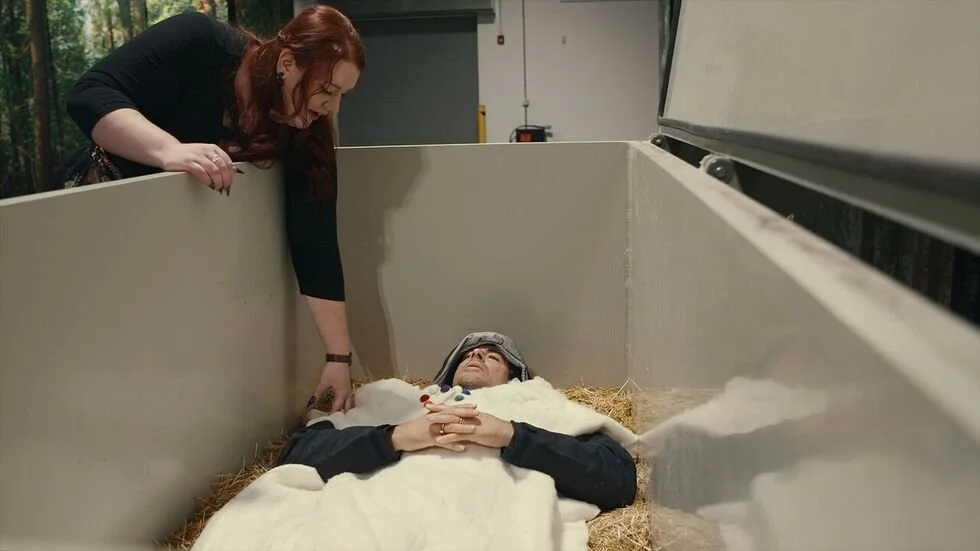
Photo courtesy of Brennan Full
When I drive by cemeteries, and I have loved ones in cemeteries, I’m just like, what are we doing? It’s now unusable land. Not to get into any other things, but when we’re overwhelmed by people without homes and there are all these cemeteries…what are we doing? The pesticides that have to go into the upkeep of the cemeteries, they’re wildly expensive.
I was sitting in with a mother planning a funeral for her beautiful seven-year-old daughter. They wanted to bury her and they couldn’t because of the cemetery. It was over $100,000 for a little space. Her brother was like, I don’t want to burn my sister. It was a fucking nightmare. It was just the worst.
Documentary financing, any sort of indie film financing, is exceptionally challenging nowadays. I imagine that getting people to think beyond cremation and burials is also very difficult. Can you talk a little about how you got this funded and the response you received when you told people that this is the film you’re making?
We were really fortunate because Eli knows the guys at QC, and they’re the ones who financed it. It was probably because of Eli. Obviously. I don’t think I could have done this on my own. We had some Zooms with Ray Mansfield, Sean McKittrick, and Edward H. Hamm Jr., and they fully financed it, because of Eli. I don’t want to say it was easy, because I’m an independent filmmaker and I know financing is very, very difficult, but QC has a really great relationship with Eli.
Eli trusts me as a filmmaker, and I think that combination helped us. QC, Ray, Sean, and Ed, they’re incredible filmmakers. They were really active in the edit room with me, which I loved. They left me and my crew alone while we shot, which was incredible. We had the freedom to shoot the film and the trust to shoot the film.
I would edit for a little bit and then we’d all get in the room together. They got into the nastiness of the editing process with me. Because they’re such great filmmakers themselves, I think they were able to see the vision of the film. To their credit, they understood that, while the subject matter is very difficult and it’s not really appealing to a lot of people, they were like, this is an important movie to make, and we’ll just get it done.
There’s some crazy stuff in there. We show everything. We wanted to keep it light and not be too heavy, not put a hat on a hat. We’re already dealing with death, right? To be heavy-handed about it would have been a little cheesy. We wanted to add some levity.
Also, the funeral workers, just by nature, are pretty fun. A little ridiculous. You have to be a little ridiculous to survive in that industry. I think because it’s pretty intense to do what they do.
Follow me on BlueSky, Instagram, Letterboxd, TikTok, YouTube, & Facebook. Check out Movies with My Dad, a podcast recorded on the car ride home from the movies and I Think You’ll Hate This, a podcast hosted by two friends who rarely agree.
Support Your Local Film Critic!
~
Support Your Local Film Critic! ~
Beyond the Cinerama Dome is run by one perpetually tired film critic
and her anxious emotional support chihuahua named Frankie.
Your kind donation means Frankie doesn’t need to get a job…yet.