
Tribeca: “Death Boom” Empathetically Reflects on Mortality
Life ends in death. No matter who you are, there will come a time when all of this is over. The end can feel scary and, because of that, humans have found a multitude of ways to explore that anxiety, including spiritual beliefs, art, and horror movies. Writer/director Eli Roth has probably seen more deaths than most. Granted, most of those deaths are on the sets of horror movies and of his own creation, but that doesn’t mean the fascination ends when the cameras stop rolling. In fact, when director Jessica Chandler picked up cameras of her own, it was Roth, alongside Chandler, who would find himself in a movie about death. In the Tribeca world-premiering documentary Death Boom, Chandler and Roth take on the inevitable.
Eighty years ago, in 1946, was the beginning of the era known as the Baby Boom. In almost twenty years, over 70 million people were born. Today those newborns are getting up in age. The United States’ ability to handle mass deaths was put to the test in 2020 with the Covid-19 pandemic, and it failed. The Death Boom is named for the looming time when the lives of all these Baby Boomers will come to an end. It sounds cruel, but that’s the reality. We know it’s coming, yet little is being done to prepare for it. The Death Boom looks at the death industry, its environmental impacts, and how it needs to change going forward.
Courtesy of Tribeca
It seems as though the initial impetus of Death Boom was to look at the environmental impact of practices like cremation and embalming. We accept these as the norm, but once the documentary digs into what it’s actually like to process bodies with these chemicals, it’s hard to see how these are the best options. “Your final act on earth at this moment is pollution, whether you like it or not,” one of the film’s interviewees says about choosing cremation and burial. These “tried-and-true” processes harm the still-living, and if Earth becomes uninhabitable because of the disposition methods, what do we have left?
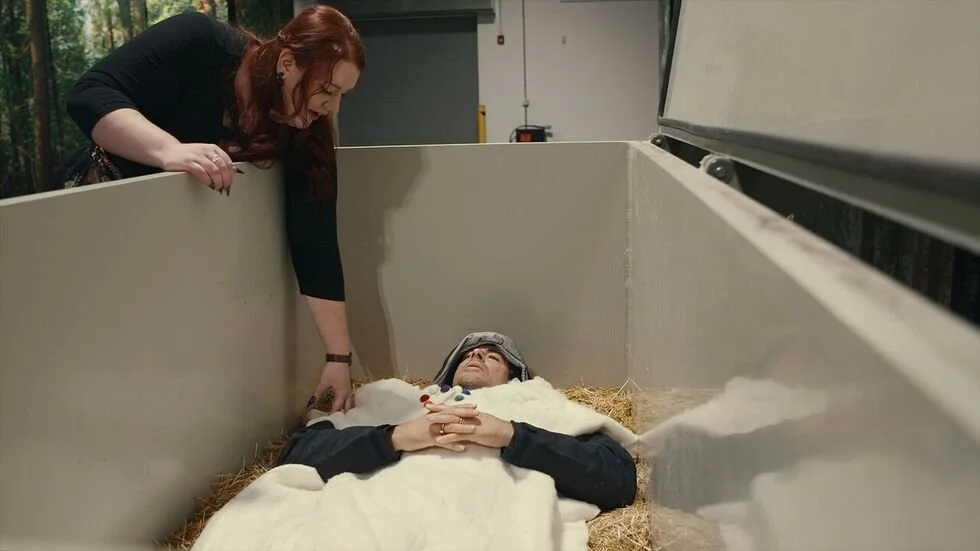
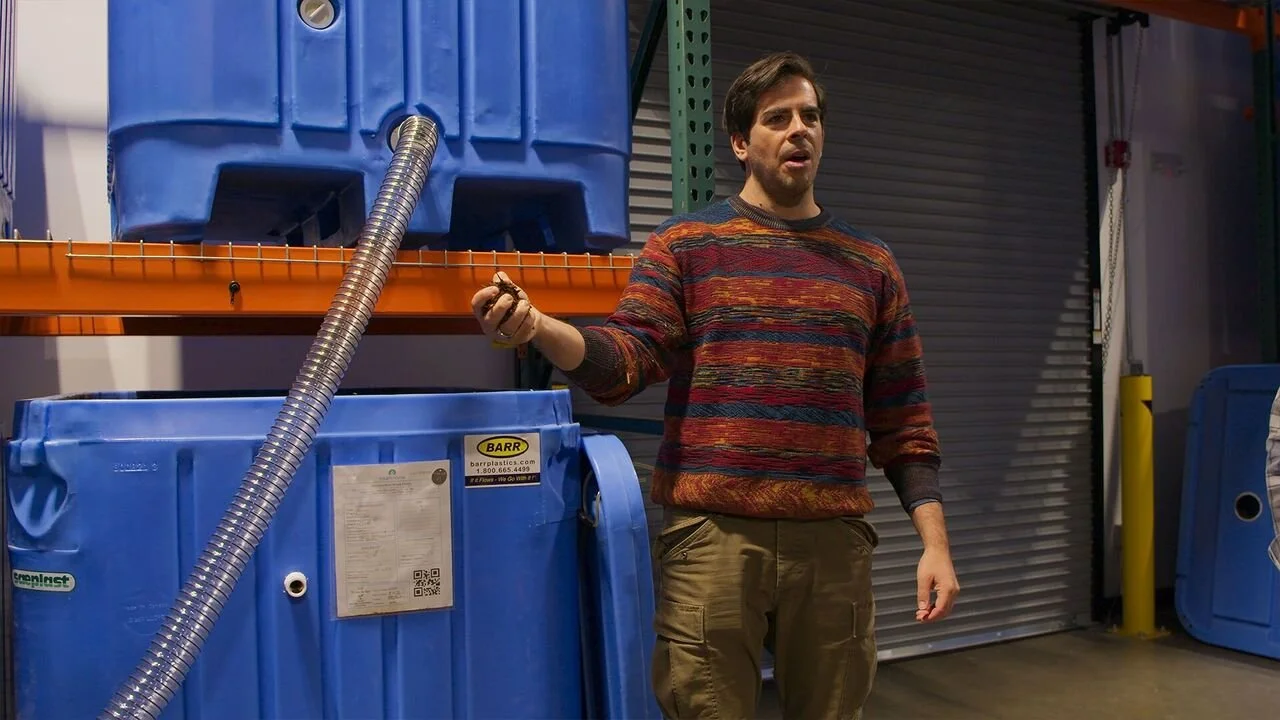
The answer to this predicament already exists. Death Boom looks at alternative options for a person’s body after they’ve died. Water cremation, also known as alkaline hydrolysis, is a gentle means of decomposing the body. Not only does it give cleaner ashes to the family, but it’s an eco-friendlier alternative to flame cremation. Another option presented in the documentary is a two-month process where a person’s body is transformed into soil that family members have the option to use for their own gardens. There are other possibilities mentioned as well, all unified in their efforts to make people more empowered about their end-of-life decisions.
Courtesy of Tribeca
The death industry is worth $20 billion. Even though composting and water cremation are environmentally friendly and fiscally reasonable, they aren’t legal in many states. The reason goes back to the Catholic Church. They’ve actively fought against legislation in Texas about the legalization of water cremation. Despite the fact that the law had bipartisan support, that there is nothing in the Bible about flame cremation, and that there is supposed to be separation of Church and State, the bill died on three separate occasions.
Death is hard for people to talk about. It’s the end that’s coming for all of us, but it doesn’t have to be a nebulous thing we ignore until it’s too late. Just because it’s a finality doesn’t mean it cannot bring a sense of peace for the departed and those still living. Death Boom has an empathetic and sometimes gently comedic look at death, which is perhaps how all of us should start thinking about the end of the road.
Follow me on BlueSky, Instagram, Letterboxd, TikTok, YouTube, & Facebook. Check out Movies with My Dad, a podcast recorded on the car ride home from the movies.
support your local film critic!
~
support your local film critic! ~
Beyond the Cinerama Dome is run by one perpetually tired film critic
and her anxious emotional support chihuahua named Frankie.
Your kind donation means Frankie doesn’t need to get a job…yet.