
Tribeca: “4000 Days” Finds Resilience and Lasting Change in Loss
According to The Fraternity Advisor statistics from 2011, there are 123 fraternities and sororities in the United States, with a total of 9 million members. And involvement doesn’t end when college is over. Fortune 500 executives, Supreme Court justices, congressmen, senators, presidents, vice presidents, cabinet members, and many more powerful individuals Greek members. This is a multimillion-dollar industry operating under the loose advisement of colleges and universities. Daniel E Catullo III’s Tribeca world-premiering documentary, 4000 Days, turns its focus to the hazing epidemic that is under-reported in the world of campus life.
4000 Days interweaves the stories of three young men whose lives were cut short by hazing and whose parents are fighting to make lasting change. TJ and Kim Burch, Eric and Linda Oakes, and Julie and Gary DeVercelly all lost their son not long after sending them off to their freshman year of college. Gary DeVercelly Jr., Adam Oakes, and Nolan Burch attended different colleges in different parts of the country at different times. What is consistent, unfortunately, is the increasingly dangerous level of hazing and the lack of accountability from the larger Greek institutions. They are not working to ensure that this does not happen again. The DeVercellys have been leading the charge to get the Stop Campus Hazing Bill codified into law, but change is slow.
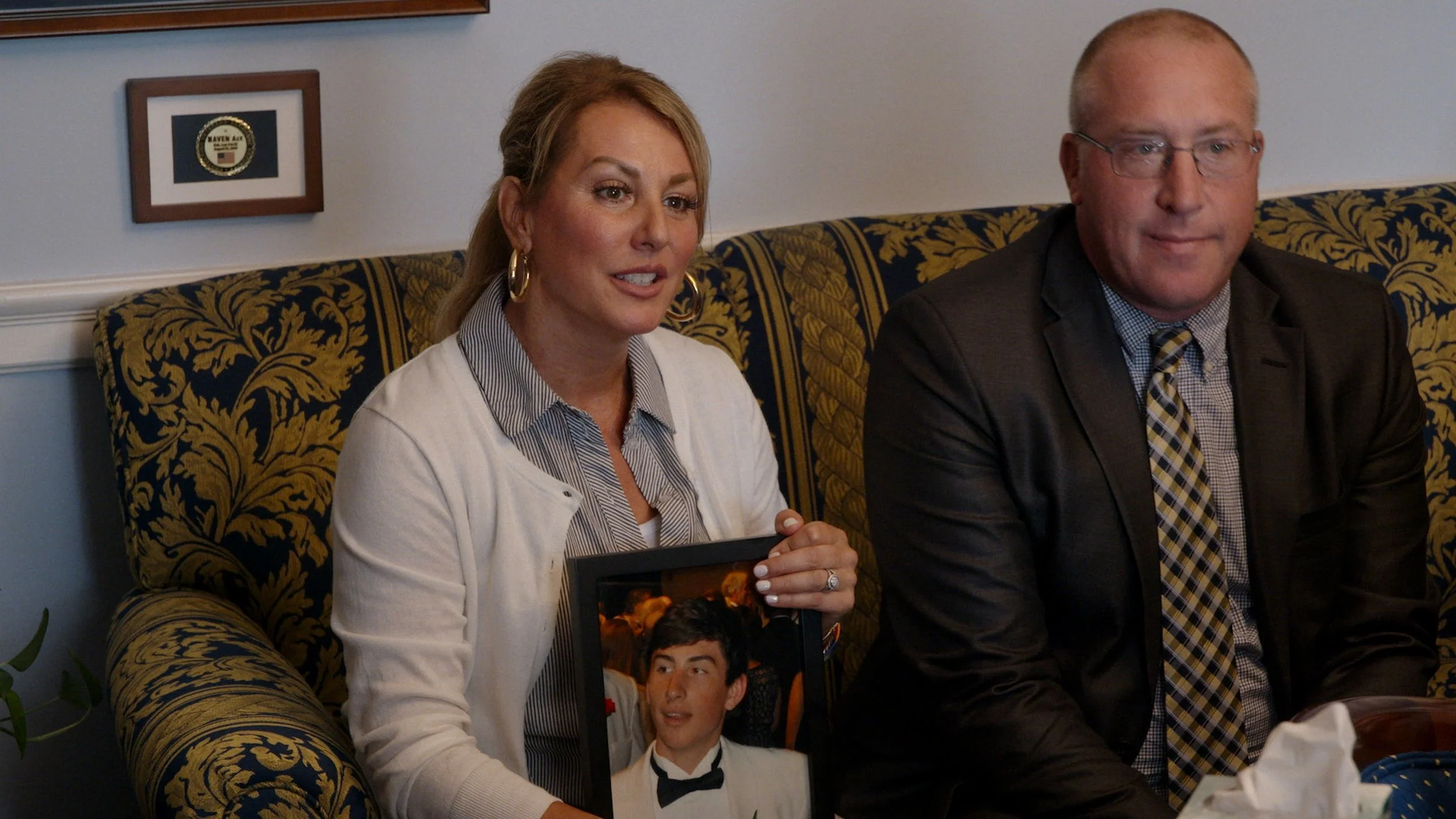
Photo Courtesy of 10 Lives Studios
Catullo III, despite his background in music documentaries, is uniquely positioned to direct 4000 Days. He’s an alum of West Virginia University, where he was a member of Sigma Phi Epsilon. While he admits that he experienced hazing, it was nothing like what Gary Jr., Adam, and Nolan endured. Nolan also attended West Virginia University, and that’s how Catullo III first became involved in the anti-hazing movement. He made the Emmy-winning short documentary Breathe, Nolan, Breathe, which is now used as an educational tool at the university. The more Catullo III learned of this epidemic, the more he wanted to have a meaningful, lasting impact. As he states in an interview, cancer might not be cured in his lifetime, but this is something that can end.
4000 Days is often difficult to watch. Firsthand footage and materials show the circumstances surrounding the nights these young men died. We see text messages between fraternity brothers wondering if they should do something after their hazing turns deadly. It’s heartbreaking and infuriating that any of these young men, and the hundreds of young people like them, experienced this. 4000 Days doesn’t wholly focus on their final moments. It also introduces audiences to Adam, Nolan, and Gary Jr. through the eyes and words of the people who love them.
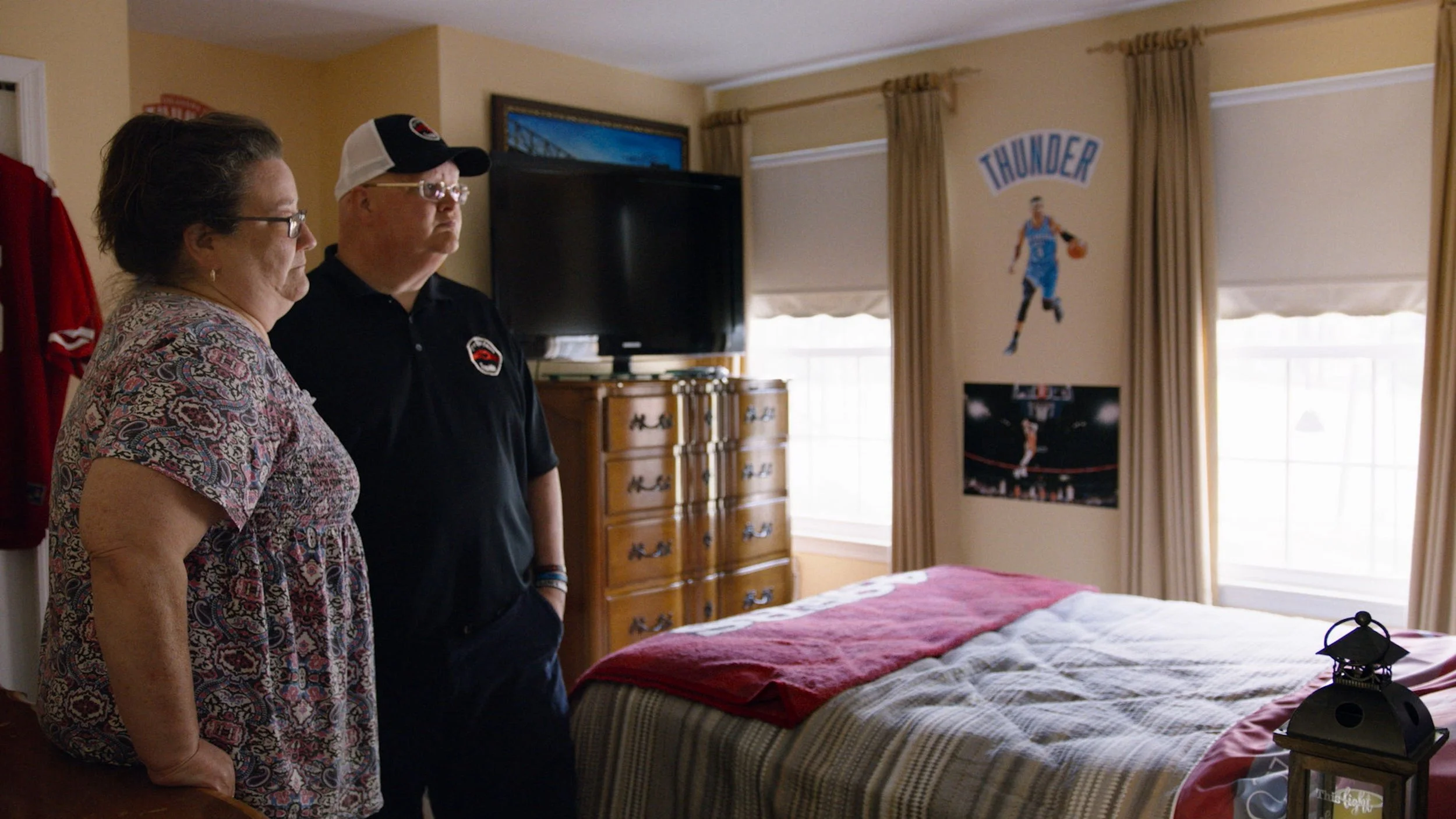
Photo Courtesy of 10 Lives Studios
Adam was the kind of guy who could make friends with anyone, Nolan saw the best in everyone, and Gary Jr. was deeply passionate about his family and baseball. All three of them saw fraternities as a means of making friends and connections that would help them in college and beyond. That is what fraternities, in their ideal execution, should be. An opportunity for mentorship and bonding to help freshmen make the transition to college life. As 4000 Days shows, this isn’t how many chapters are managed. Instead, they push drinking and violence as a means of proving oneself. Colleges manage to escape blame for the activities that take place on their campuses because even though there’s a university code of conduct, they expect the chapters to self-govern.
4000 Days is named by the parents for the number of days it took for their grief to turn into action and then into law. Four thousand days is almost eleven years of the pain and effort it took to see the Stop Campus Hazing Act fully realized. The parents point to one another, members of the same club they wouldn’t wish admission to on anyone, as what kept them going. That, and the memories of their sons. 4000 Days is a vital piece of filmmaking that highlights resilience in the time of a profound loss that no one should ever experience.
Follow me on BlueSky, Instagram, Letterboxd, TikTok, YouTube, & Facebook. Check out Movies with My Dad, a podcast recorded on the car ride home from the movies.
support your local film critic!
~
support your local film critic! ~
Beyond the Cinerama Dome is run by one perpetually tired film critic
and her anxious emotional support chihuahua named Frankie.
Your kind donation means Frankie doesn’t need to get a job…yet.