
Tribeca: TJ + Kim Burch Talk Son Nolan’s Legacy in “4000 Days”
Eleven years is a little over 4,000 days. More than a decade’s worth of time, all working toward the same goal. Daniel E Catullo III’s Tribeca-premiering documentary 4000 Days chronicles the decade-plus saga of families fighting for legislative change to prevent hazing deaths at colleges and universities. The 4,000 days symbolize “the number of days it took to turn grief into action, then grief into law.”
Nolan Burch is described by his family as someone who “saw the best in everyone and brought people together.” He grew up in New York and decided to go out of state for college at West Virginia University. He was taking a full class load and working a part-time job, but wanted to find a way to immerse himself in the culture of WVU. He chose Kappa Sigma and endured three months of pledging that culminated in Big Night, the night he would meet his Big Brother and join the fraternity. Nolan’s Big Brother gave him a 750 ml bottle of 100 proof whiskey and told him to finish it in an hour. Despite the fact that it was clear Nolan needed medical attention, no one was called until it was too late.
Together with the DeVercellys and Oakes families, TJ and Kim Burch agreed to be part of Catullo III’s documentary, 4000 Days, to chronicle their fight for the Stop Campus Hazing Act to be codified into law.
I want to start with your relationship with Daniel. Before 4000 Days, he had made Breathe, Nolan, Breathe. What about Daniel and his approach made you feel he was the right person to tell Nolan’s story?
TJ Burch: We were on a Dateline episode with a bunch of families. Dan was watching it and he reached out to me. You’ve met Dan. He just started talking, going, going, going, going, going.
At the end of it, essentially what he did was hook us in with West Virginia University because he went there as well. We started to collaborate with them, which we always wanted to do in the first place.
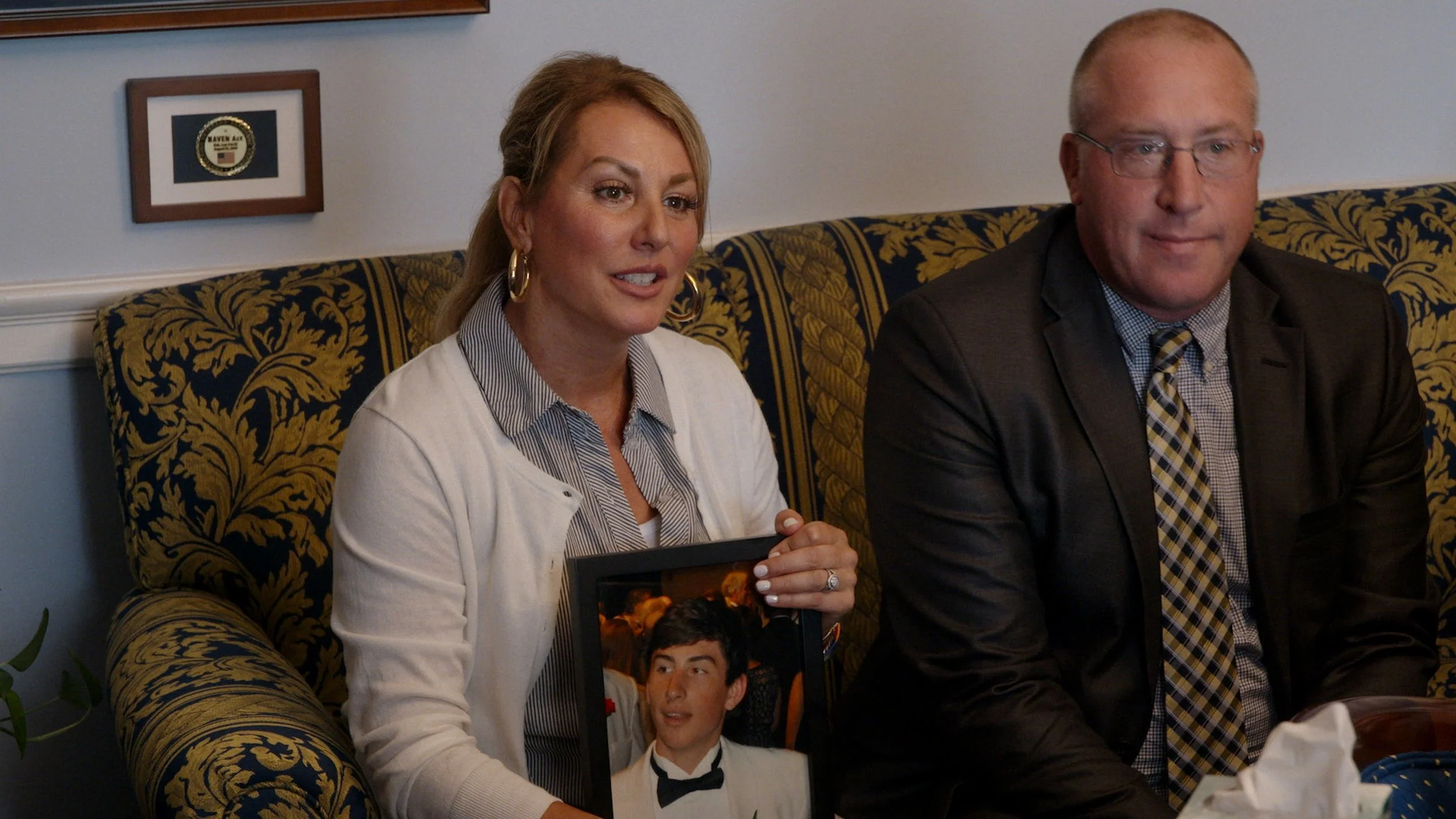
Photo Courtesy of 10 Lives Studios
There was a lot of court stuff going on, and finally it was over after about three years. Dan stepped in and got things coordinated. We love him and the detail he would go into. He was pulling records for interviews that had happened. He was asking for public records of 911 calls. Stuff we would have never done on our own. He’s digging in, finding all this stuff, and sharing it with us. We knew we could create something really cool that was going to save lives and do what we wanted to.
Kim Burch: The fact that he went to West Virginia University, was friends with the president, Dr. Gee…like TJ said, he brought us in. We wanted to do right from the beginning and we always wanted to work with West Virginia. We knew we wanted to do something to save lives. Just like every parent in this terrible club, we want to make sure it doesn’t happen to somebody else. Once we saw what was created and how he put it all together, it was pretty much spot on. That short film is still saving lives today.
I also went to WVU for a little and so did some of my family. Daniel was telling me they’re showing it as part of an introduction for incoming freshmen. I think that’s such an incredible thing you can offer the university.
TB: We go at least once a year, if not twice. We like to do a lot of different things with them in a good way. We do want Nolan’s story to be remembered. We don’t want anything else to happen to another kid on the campus or anyone anywhere. Also, he loved it there. We love it there. It’s a beautiful campus. It’s a beautiful state. So it’s kind of neat.
You’ve spent years talking with members of Congress, setting up these interviews, speaking at WVU, and doing interviews like this. How are you taking care of your own mental health?
KB: It’s a good question, but I don’t think we’ve actually stopped. I think right from the get-go, after we had to put Nolan to rest, we said, we have to do something. We have to make a change. Something has to be done. We don’t want another family, another child, to have to go through this. I really don’t think we’ve taken a break.
TB: We do step away and we limit our speaking engagements. We still speak locally to a lot of high schools. We’ve toned it down where if they want us to speak, we’re coming in once and we’re speaking to everybody. At a certain point, they wanted us to speak to every health class, one right after another.
KB: And we did that for a while.
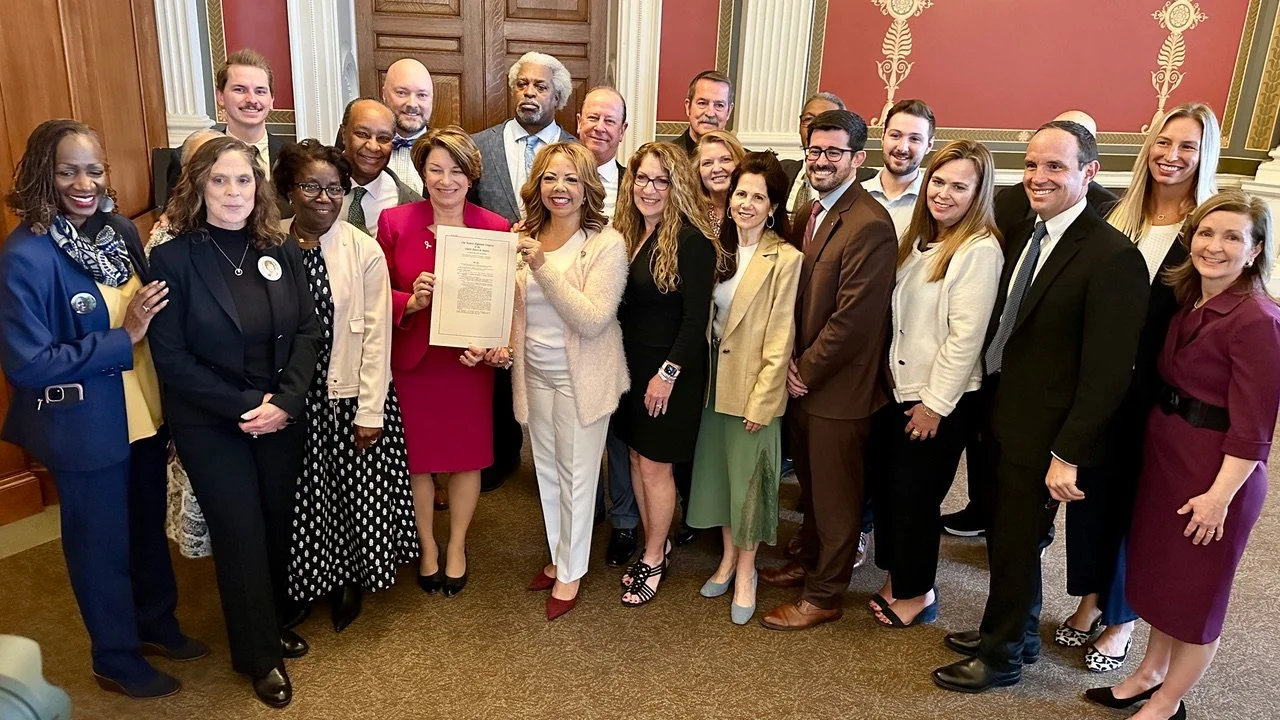
Photo Courtesy of 10 Lives Studios
TB: To your point about mental health, we realized we could not do that. We’ve spread it out and we have our own lives and have different jobs. It’s still a lot, but we try to maintain that balance for sure.
KB: It’s gotten a little bit better. In the beginning, you just want to save everybody. Now it’s kind of like, all right, we know what we’re doing. We know that Breathe, Nolan, Breathe is getting watched in places we don’t even know about. We actually got a packet just the other day from a high school in Maine. The teacher sent us essays from the kids in her class after they watched the film. All these beautiful things about Nolan, the movie, and how they’ll remember it. It’s really cool that we know it’s out there. It’s bittersweet, but we know it’s doing what we wanted to do.
I was going through the Remember Nolan foundation website and the amount of resources that you have for teens, parents, and educators is overwhelming in such a phenomenal way. Could you talk a little about that foundation and what you feel has been the most impactful part of it.
TB: I think definitely the most impactful thing is the Breathe, Nolan, Breathe video. Really.
KB: I think so, too.
TB: It really sets the tone. When we do go in and speak, wherever it is, we hardly say anything to start except to say thanks for allowing us to share Nolan’s story. We kind of just pop right into the Breathe, Nolan, Breathe video. We want that impact, that shock, I guess up front.
When it’s over, there’s silence. Then we use Nolan’s name as an acronym to teach kids what to do. We don’t like to lecture or give them statistics on hazing or alcohol and all that stuff. We really want to give them tools to keep themselves safe and their friends safe. Then we usually open it up to questions and answers. We’re an open book. We’ve heard it all and we’ve answered it all. That’s actually sort of therapeutic for us, to be able to talk about Nolan and to be able to talk about these things.
Going from Breathe, Nolan, Breathe to 4000 Days, was it hard to return to working on a large project like this? Or did the fact that it was Daniel again make it a smooth process?
KB: I think working with Dan and the other families, we just meshed. Obviously, we worked together before, so it feels like second nature. Back with your family again that you haven’t seen in a while. It’s a good feeling knowing we’ve made a difference and things are changing. We’re headed in the right direction.
TB: Doing something with people you trust…I mean, it’s an easy no-brainer. They’re our friends. Unfortunately, through terrible circumstances, but they’re our friends. I think it’s important to tell those stories.
The way Dan does things and tells things, he’s got this vision. It’s probably changed 100 times. He’s usually spot-on with what he comes out with, with a lot of help from his team. Dan’s kind of the driving force behind it. He’s super passionate.
Breathe, Nolan, Breathe kicked all of this off for all these families. Dan has been so passionate about stopping what’s happened to all these families. He’s just dug in, and the families have been super accepting. He’s really helped a lot of people out.
Dan said that while the families weren’t involved with the editing process, he called you pretty much every single day to fact check things. What was that process like? Did you ever wish you could be in the editing room to see it all come together?
KB: I was going to say no before you even finished [laughs].That’s his wheelhouse and his team just brings everything together so well. I don’t even think that…
TB: We wouldn’t even know where to start. Leave that in more practiced hands.
KB: I think that goes back to what TJ said about trusting Dan. Knowing him, knowing us, and knowing the other families, he knows where we’re at and what we’re thinking.
TB: He really wants to honor the boys and the girls. His ultimate goal is to make sure their story is heard and carried on in a good way.
KB: I also think he feels that we don’t want another child, another family, to have to go through this. He’s just as passionate as we are in wanting to combat hazing and save lives. It’s very trusting knowing that you have somebody in your court who’s got your back.
Thank you both so much for your time and thank you so much for sharing Nolan’s story in this way.
TB: Thank you and go, Mountaineers!
Follow me on BlueSky, Instagram, Letterboxd, YouTube, & Facebook. Check out Movies with My Dad, a new podcast recorded on the car ride home from the movies.
Support Your Local Film Critic!
~
Support Your Local Film Critic! ~
Beyond the Cinerama Dome is run by one perpetually tired film critic
and her anxious emotional support chihuahua named Frankie.
Your kind donation means Frankie doesn’t need to get a job…yet.