
There’s a saying often misattributed to Winston Churchill that goes, “history is written by the victors.” More often than not, that means the story of a marginalized group of people is told by outsiders who have no meaningful connection to the place and people they’re reporting about. There is power in being the author of one’s own story, to have a voice about the realities of a situation that cannot be seen if the filmmaker just shows up to a location for a few weeks to shoot a movie before disappearing. Nothing to See Here: Watts is a revolutionary piece of filmmaking that puts the production in the hands of those whose voices need to be heard.
Courtesy of “Nothing to See Here: Watts”
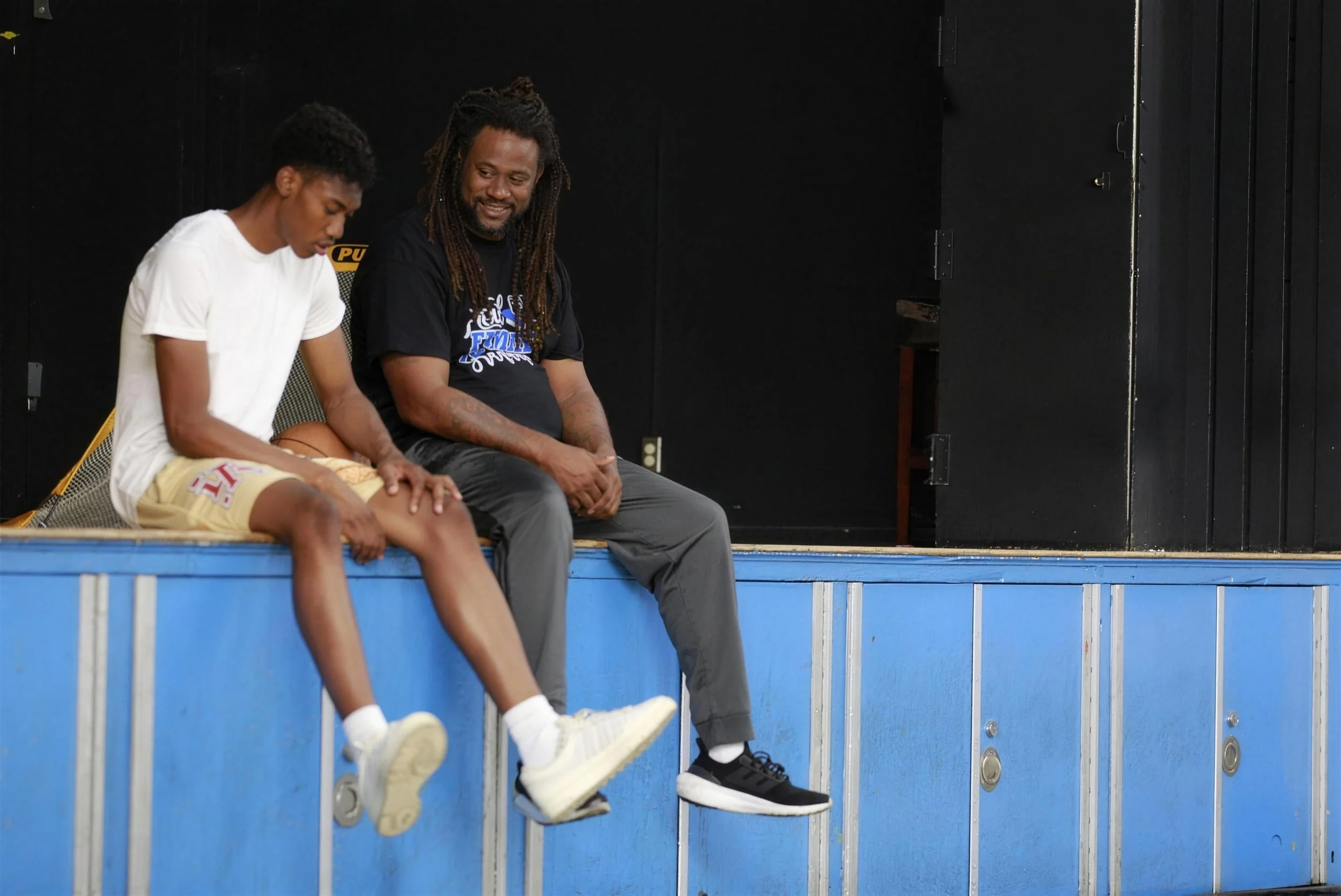
It began with a simple idea from Michael Soenen, a film producer and outsider to the neighborhood of Watts in Los Angeles. He went on a late-night ride-along with police and saw three people shot, one of whom died. Soenen was shocked that none of the shootings made the news and wanted to better understand the neighborhood. He asked two hundred people if they would be interested in filming their lives in Watts. Twenty agreed, and each one of them is credited as a co-director of the film. The participants range from gang members to children to community activists and more. What they all have in common is that they call Watts home.
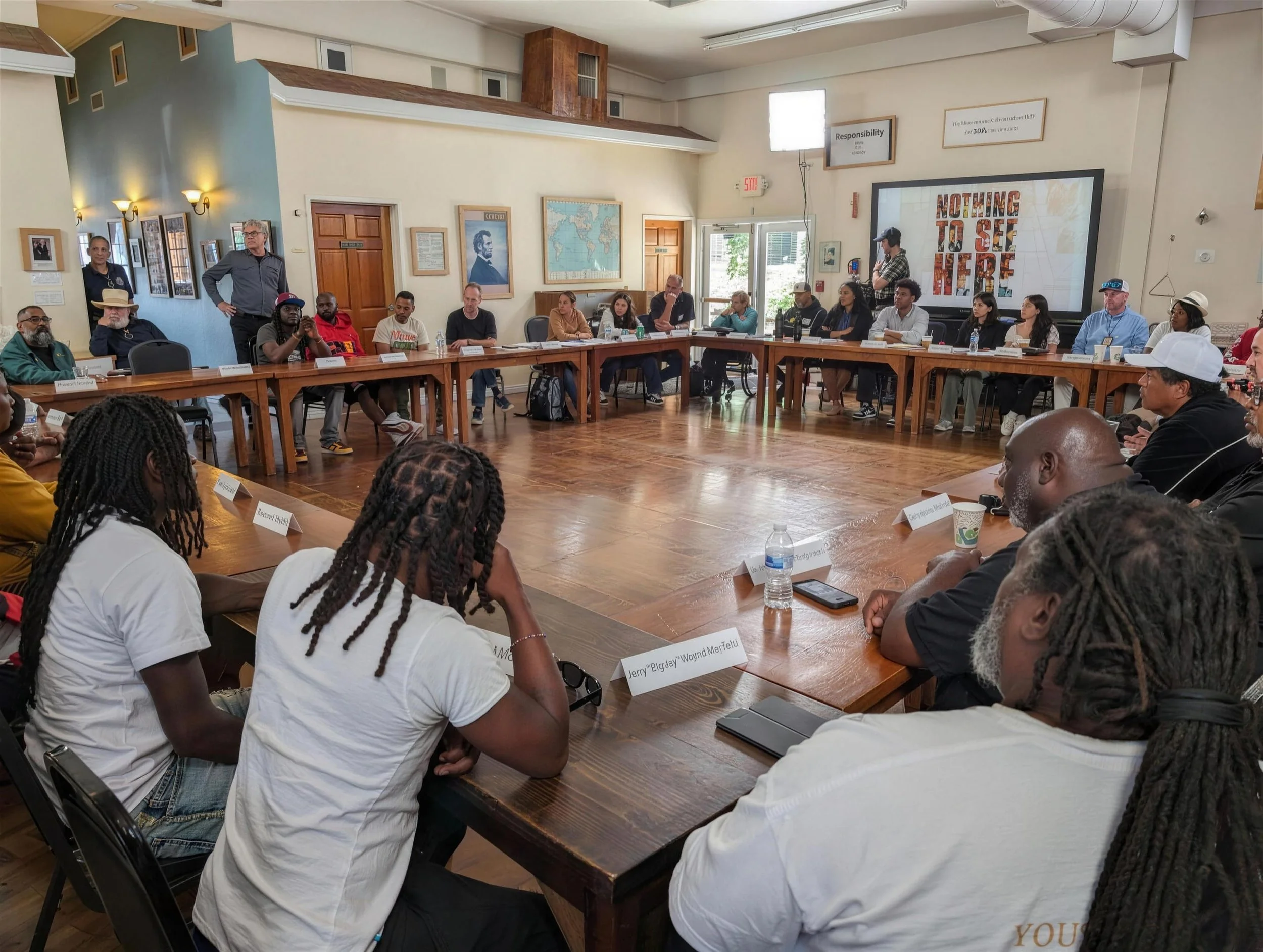
Films are made or broken in the edit room, especially when it comes to documentaries. In this genre of filmmaking, there’s a lot of conversation about the ethics of showing up with a camera and filming people who are experiencing some sort of hardship. Words like “extractive” and “exploitative” are, rightfully, discussed. With Nothing to See Here: Watts, there was an initial concern that while all of the residents would be filming their lives, someone else would come in at the last minute and shape the narrative. That’s not what happened. The documentary shows a series of “editing meetings” where all the participants come together to discuss the footage. One of the filmmakers, Neci, is initially hesitant to allow footage of her being robbed to be included in the film. As part of this experiment, no footage can be included if the person who shot it doesn’t want it in the final cut. It’s through these editing conversations with her fellow filmmakers that Neci sees the value, painful as it may be, of including this footage to help bring change. Cornelius, another filmmaker, is taken aback when he learns it’s men from his own gang who attacked Neci.
Courtesy of “Nothing to See Here: Watts”
There is so much empathy in these editing rooms and in the conversations that come from bringing all these people together. Nothing to See Here: Watts is a grand experience. If you put cameras into the hands of the people, allow them to tell their own stories with no outside influence, can things be different for the next generation? Toward the end of the movie, the filmmakers are discussing the pros and cons of holding a screening with rival gang members in attendance. Some express concern that violence could occur before the film is even shown. Others question if there’s a purpose in asking gang members to sign a peace agreement like the one signed in 1992. Members might sign it, but what’s holding them to that promise? One of the filmmakers speaks up and says that it might not work, but it’s better to try than to let this opportunity go by without doing anything at all.
Nothing to See Here: Watts is deeply personal. All the filmmakers take the viewers into their homes and capture moments of joy and pain in their plainest experience. The audience hears stories of loved ones lost to gang violence and sees one of the teenage filmmakers accepted into college, the first in her family to do so. A simple experiment has grown into a movement. In the twelve months that followed the production of the film, there were zero gang-related homicides, a 90% reduction in overall homicides, and a more than 50% reduction in all types of violent crime in Watts. One of the people in the film poses a question about Watts. He says, “how many more excuses are we gonna call reasons?” Nothing to See Here: Watts rejects the premise that things have to stay the same because that’s how they’ve been for so long. It’s a promise to the future of Watts, made by the people of Watts about the place they call home.
Follow me on BlueSky, Instagram, Letterboxd, TikTok, YouTube, & Facebook. Check out Movies with My Dad, a podcast recorded on the car ride home from the movies.
support your local film critic!
~
support your local film critic! ~
Beyond the Cinerama Dome is run by one perpetually tired film critic
and her anxious emotional support chihuahua named Frankie.
Your kind donation means Frankie doesn’t need to get a job…yet.