
Tomás Videla Welcomes Home the Score of “The House of the Spirits”
Isabel Allende’s The House of the Spirits is an international best-seller. The novel, which has been translated into over twenty languages, was adapted for the screen only once before, in 1993. The House of the Spirits is now an eight-episode miniseries to be released on Amazon Prime Video on April 28, 2026. The series follows the Trueba family in Chile over four generations and chronicles the history of the country through the lens of the people living there. For Argentinian composer Tomás Videla, the chance to be part of such an important piece of South American storytelling was too exciting to pass up.
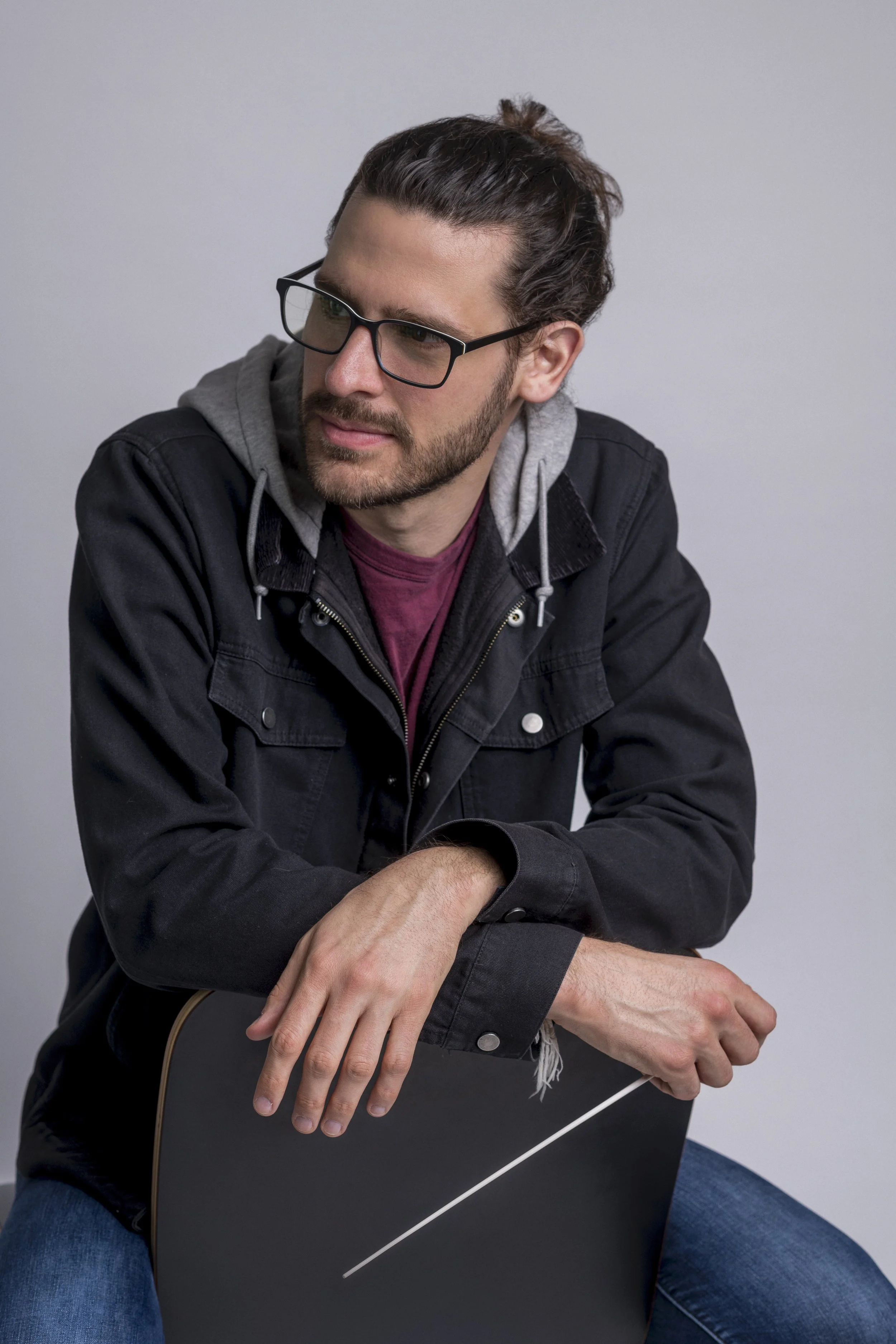
courtesy of Tomás Videla
I think it’s really interesting when a composer has done a wide breadth of things, from documentary to animation and everything in between. How do you view the score’s purpose throughout these different genres? Does your process change at all depending on what you’re working on?
Music, in all those different genres, plays a different kind of role. I want to say that I kind of learned that the hard way, because I started with animation which is just every ten seconds you’re hitting a different emotion. It’s so theme driven, they’re so heavy and so important.
Then I switched to documentaries. The first documentary I did, I just started hitting every cut, doing the animation style. I learned the hard way that in documentaries you don’t do that. The cut will change twelve times on you before it’s locked. It really trains you to be able to adapt to different styles as a composer.
What made you excited about joining The House of the Spirits? Did you read the book either beforehand or in preparation for this?
It is a very, very, very well-known novel all over South America. You usually read it in school, but for some reason my class didn’t read it. We read a different book by Isabel Allende called La ciudad de las bestias.
The House of the Spirits is so well-known that I knew the story. When I finally got the gig and we started working, I was like, oh, I should read the novel just to see what’s up, but there was no time because the show is eight episodes and the turnaround was so fast.
I think it was better that I hadn’t read it because I could really dive in and do the adaptation that Francisca Alegria and Fernanda Urrejola created. In every meeting we had, we would always talk about, what did the book say? Like, in the book, this was actually happening, so maybe we could bring that feeling in the music.
As soon as I finished scoring the project, I went to Argentina to visit my family because I haven’t been there in so long. When I landed, my mom had a copy of The House of the Spirits. I was there for two weeks and I read it in that time. I was immediately wrapped up in it. Her writing is so beautiful that the chapters fly by.
Now that you’ve read it, would you have changed anything about your score?
Actually, no. I really trusted Francisca and Fernanda because they know that novel inside out. They’ve been working on it for so long, so I really trusted them there. If they had a note, I knew it wasn’t only coming from their preference. I knew it came from their background with this book. It was a very collaborative process with them.
Your score is described as “cinematic folk.” These two genres feel completely at odds because I think of folk as a very intimate experience. How did this combination of sounds come together? What made it right for the project?
I personally never heard of something like cinematic folk. It was a learning experience of seeing what could fit and what was too much. I’ve been working on so many different projects and I’ve done the cinematic sound many times, so I knew what that meant. It was just a matter of finding, how can we bring in the folk?
I think the most important part was not only instrumentation, but guitars, charango, bomba. We had players from South America to bring in that flavor. It was also like, if we’re not using those instruments, how can we keep that South American flavor? I started looking at the rhythms, looking at different dances, and trying to keep that kind of thing going with the cinematic sound. We could go back to the more intimate, folky sound, which we did in the show, but when we needed to go big, we could with this orchestra.
The show takes place over the course of 60 or 70 years. When you were writing the score, were you at all concerned with matching the music of the era, or were you thinking, let’s create our own audio soundscape to this story that’s a little out of time?
We needed to match the passage of time. We had a lot of discussions with Amazon and the showrunners. How can we make it sound the same while showing the passage of time? We relied heavily on a lot of the instrumentation bringing more distorted colors in toward the end. In the last episode, the story goes through a lot, but at the very end it talks about political upheaval. That meant the score could get more distorted, more gritty.
At the beginning, it’s far more innocent. We start with Clara as a child and we see how she changes, and the new generations with Blanca and Alba. We’re in in the ’20s and ’30s at the beginning, so it was more like, okay, let’s keep it more simple, less gritty, except for moments where we really need to go there. As the show progresses, all these distorted, electric, and gritty colors start coming up more often to show there’s all this really heavy stuff going on with the families going through so much violence.
Episode three has a tango sequence that is a huge standout for you musically. What can you tell me about that scene? As you were scoring it, did you get the sense that it would be this large moment that is standing out to people?
It is at the end of episode three. I don’t want to say too much, but it is a very, very big moment. It’s when the story changes quite a lot. We also transition to a more adult Clara. It felt like a very important moment to make a statement.
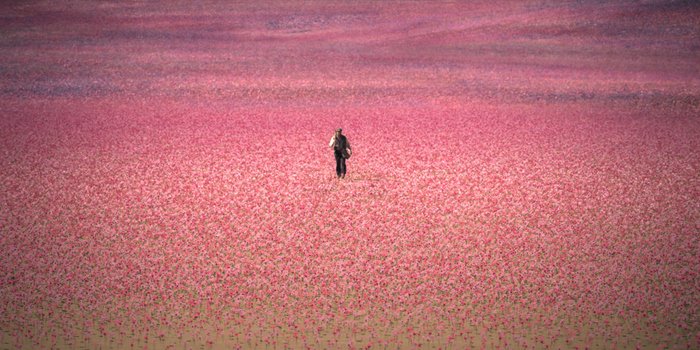
courtesy of Amazon MGM Studios
Honestly, the tango just kind of came out of nowhere in the sense that I was working on the end cue. I was looking at the visuals and going, this really reminds me of a lot of different tangos. We really leaned into it. I was like, we cannot just leave this here, we’ve got to go somewhere, so we wrote something specific for the end credits where we only had the orchestra playing with the solo violin, played by Hanna Park, who’s an incredible player. It’s a nice little moment to make a statement and to mark the story in a very impactful way.
There’s also a little bit of a supernatural undercurrent to the series, and I’m curious how much that played into your score?
Isabel Allende, the author, calls it magical realism. A magic element in a very real world. When we were discussing the score with everyone, we talked about having a magic element interact with the score, but it shouldn’t be wind chimes, which are a very obvious magical sound.
We wanted to lean into a chill sound. A few little bells here and there that would help us with bringing the magic. We also used a lot of different flutes from South America to bring in that magical element. It was not only the folk and the cinematic, but then that little magical cherry on the top that kind of bonded everything together for the score.
It was just trying to find that balance and not make it not draw too much attention, because I think that’s what magical realism does. It’s like a magical lens that doesn’t distract you from the story.
You’ve kind of alluded to it already, but this is a very beloved book, and not just in South America. It’s been translated so many times to other languages, and it’s only been adapted for the screen one other time. This adaptation feels like it’s coming home in a more truthful adaptation. What does it feel like to be part of this legacy of The House of the Spirits?
Honestly? It’s crazy. I cannot believe I’m part of it. Everyone’s so happy and excited that it makes me feel really happy and proud that I’m part of it. Francisca and Fernanda really did amazing, amazing work.
The cast is also incredible. It’s all these very famous actors and actresses from all over South America. When I started working, I was like, oh, my God, that’s like Dolores Fonzi. I’ve seen her so many times. This is crazy and I’m actually working on a show that she’s starring in. That’s wild.
It felt like a huge responsibility, but also, the entire team was so, so good, and it was such a pleasure working with them. It made me really, really, really happy and proud that I got to be part of it.

Follow me on BlueSky, Instagram, Letterboxd, TikTok, YouTube, & Facebook. Check out Movies with My Dad, a podcast recorded on the car ride home from the movies and I Think You’ll Hate This, a podcast hosted by two friends who rarely agree.
Support Your Local Film Critic!
~
Support Your Local Film Critic! ~
Beyond the Cinerama Dome is run by one perpetually tired film critic
and her anxious emotional support chihuahua named Frankie.
Your kind donation means Frankie doesn’t need to get a job…yet.