
Composer Claudia Sarne Brings Kara Zor-el’s Story Down to Earth
The story of Superman’s little cousin, Kara Zor-el, has always been one of loss. Unlike Superman, who never got to know life on his home planet of Krypton, Kara grew up there and called it home. In some versions of her backstory, she’s sent as a protector to Clark but gets stuck in the Phantom Zone. When she does arrive on Earth, the baby she was tasked to care for has outgrown her. Her sense of purpose, her family, and her home are all gone. While Craig Gillespie’s Supergirl changes some aspects of Kara’s (Milly Alcock) backstory, pain is still one of the defining attributes of her character. Gillespie’s Supergirl is a coming-of-age story rather than your traditional superhero flair, and it was up to composer Claudia Sarne to find the balance between intimate humanity and epic superhero nature.
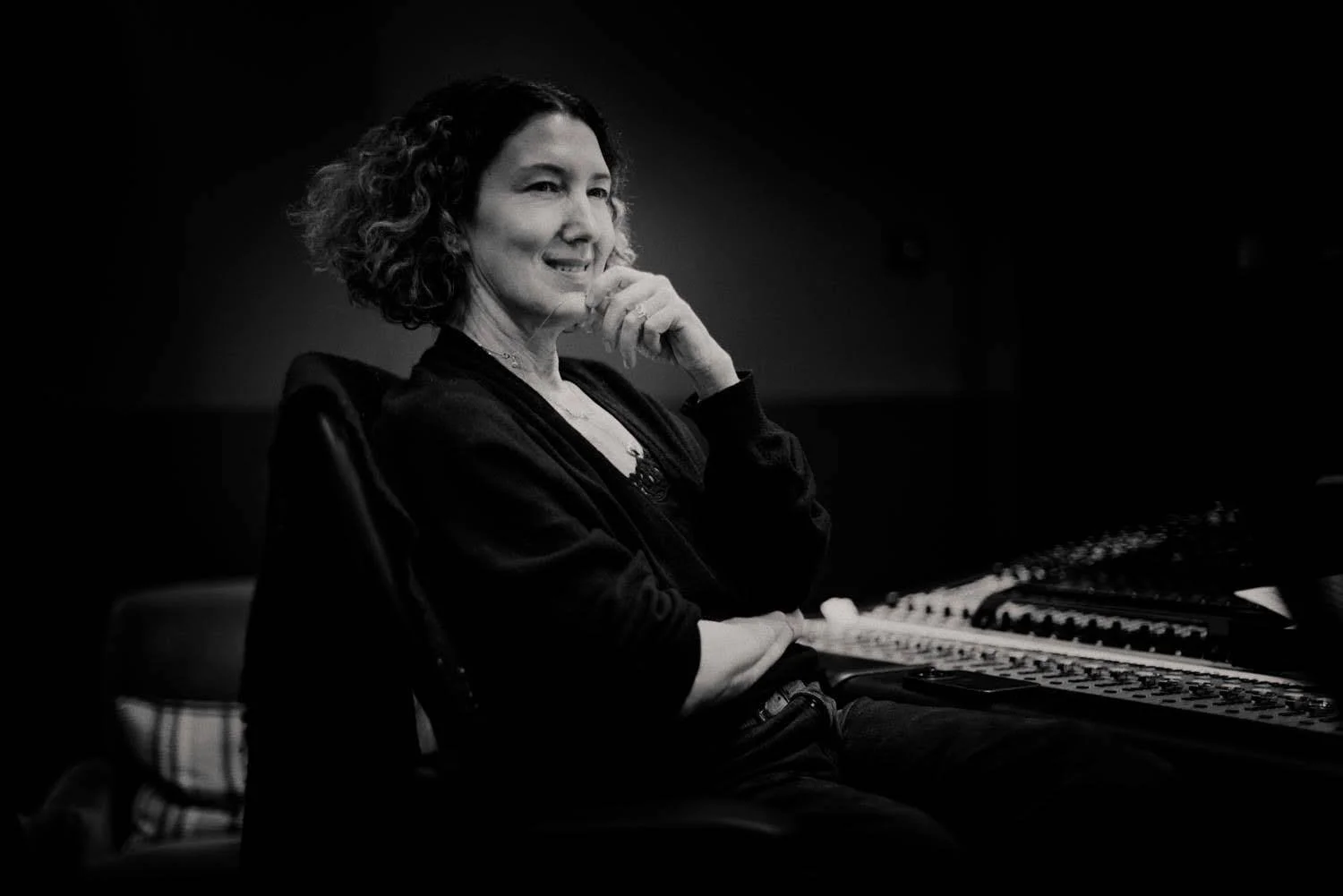
Courtesy of Warner Bros.
I read an interview where you described yourself as a “feast or famine musician” and talked about how much you really value collaboration. How do you feel collaboration differs between working with a musician who has the same vocabulary and language as you, and then working with a filmmaker who might not be able to explain what they want out of your work?
That’s such a great question. Some directors are really prescriptive and have some sort of language around music. Or at least they have some reference around it and can articulate what they’re hearing or what they’re not hearing. Some don’t.
A lot of it is about developing a common language. I worked with someone once and she was always like, I don’t like bass, I don’t want bass. She didn’t actually mean that. There was a heaviness to things that she wasn’t connecting with.
Music is so subjective. We all have such a different interpretation of it, a different experience of it. That’s always the pinball of music when you’re going back and forth, figuring out what they mean. Then, within that, they’ve also hired me, or any composer, because they like what we’ve done. They’re going to trust the composer with the music on some level.
It really just comes down to communication, doesn’t it? Can we work together using our limited language? It’s the essence of humanity. It goes back to, can we understand each other?
Also, what are our taste levels? Hopefully there’s some common ground within that. What’s deeply offensive to my ear might not be deeply offensive to someone else’s ears. I think you have to establish that pretty early on.
I read that you didn’t have that time on Supergirl. You came in with a locked picture. How do you develop a working relationship with Craig at a time when the movie’s close to done?
I’ve worked in music for a long time in one way or the other. I’ve never had someone react as viscerally as Craig reacted when he first heard that theme. He very dramatically hit the table and said, oh my God, this is it. I’ve never had that with anybody, anywhere, any time.
The thing with Craig is you can talk to him about your point. When you don’t agree on a point, you can talk about why you think your point is right, why you think it should be a certain way. He may or may not move where he’s at with it, but you can have a decent conversation about it. He’s very direct and he’s incredibly enthusiastic and supportive. He wants this to be a collaboration. He wants it to succeed.
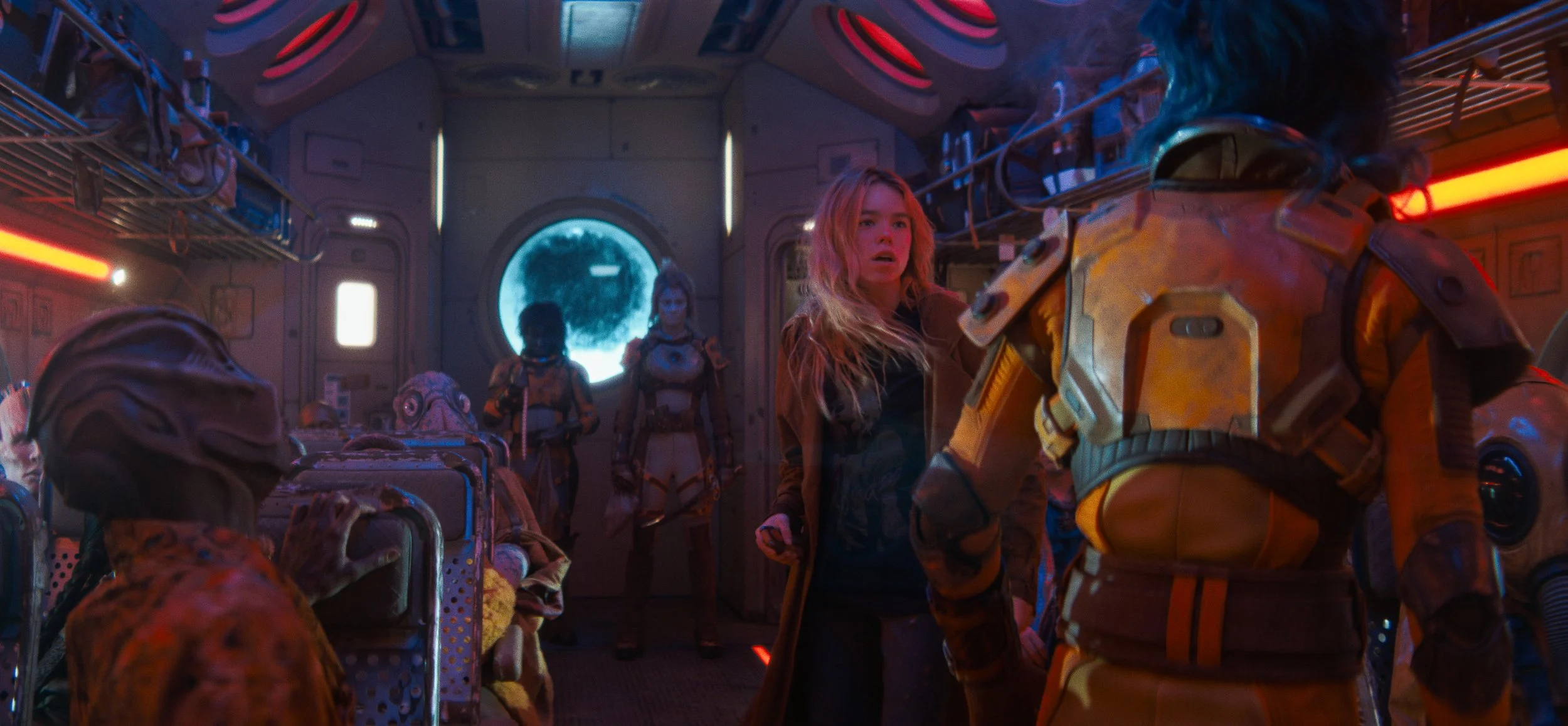
Copyright: © 2026 Warner Bros. Entertainment. All Rights Reserved. TM & © DC. Photo Credit: Courtesy of DC Studios and Warner Bros. Pictures
I didn’t have a lot of time. I had to establish things incredibly quickly. There were a couple of things we did manage to establish really quickly, and that was fantastic. Once you’ve got a bit of cloth to work with, then you’re kind of off and away, but you still have to keep establishing that.
You know, three or four months ago, whenever this all happened, it was my actual nightmare. I was like, and I don’t have any time.Scoring takes me a minute. It’s a process for me. It’s not something that happens overnight.
The process was incredible because I didn’t get to overthink it. I had to double down on ideas quickly and be decisive. Not second guess myself, not the sort of endless navel gazing I’m prone to. It was an incredible experience, all told, given the timelines and given the sort of various constraints that came down at us and me personally, all of it, it actually worked out really well.
Pop rock music plays such an important part of the soundscape of the film. Were those songs already laid in there? Did you know which songs they were planning on using?
When we started, there were completely different tracks to when we ended. There was a couple that stayed there, but by the end they were completely different. I wanted to write the score so the two could coexist in a way that doesn’t give you ear fatigue.
Do you know what I mean? If I did a super sequential digital track and we’re going into a super sequential digital song, that was going to be a problem. You just try to stay out of the way and do something that’s complementary. You do your ins and outs or try and be in the same key, try and do something that’s going to make it feel more seamless or not.
I really enjoyed the film. I think a lot of people were expecting more of an upper of a superhero movie, but this is more of an emotional story for Kara, with her immense amount of loss. How did you approach the score for Kara as a person, not a superhero? When we think of the classic Superman theme, it’s soaring and it’s epic. Your Supergirl theme has a similar kind of epic build, but it does get to that more emotional core of her story.
When I wrote it, I think that’s what Craig was responding to. Where I started, I didn’t write that in one hit. I started with a tiny seed that was a lonely, quite desolate little thing. It’s a very isolated kind of piano thing and then it grew into that final sound a couple of days later. I think Craig always wanted it to come from a more emotional aspect. That was the point.
Is it a different experience hearing your score for this film? You haven’t done a superhero film or anything of this scale before. What’s the experience like hearing that in a movie theater? I feel like it has an innate, child-like epicness to it.
It’s wild. It’s totally wild. What blew my mind a bit was the first time the orchestra played it, and I’m watching it to picture. You can orchestrate in your own room. You can do all these bits and bobs and once you hear that power behind it, it’s wild. You can play “Happy Birthday” with an orchestra and it’ll sound phenomenal. Then, the first time in a theater was pretty lovely. Really lovely.
You got to play around with a bunch of different alien sounds because Kara and Ruthye are going to these different planets. Could you talk a little bit about developing these different sounds?
What was really fun about it was just being able to kind of play with sound. Play with different sequences and put things through pedals. Just make noise. I’m kind of a kid in a candy shop with that stuff. It’s much more fun to create interesting sounds.
I worked with Nick Chuba and he would show up with a keyboard. It’s just so fun. We’re fiddling around, finding all these sequences, and it’s super fun. Having a laugh in the studio as it used to be when you’re a kid and you first start working. It’s hard work, but it’s really enjoyable, so you don’t mind.
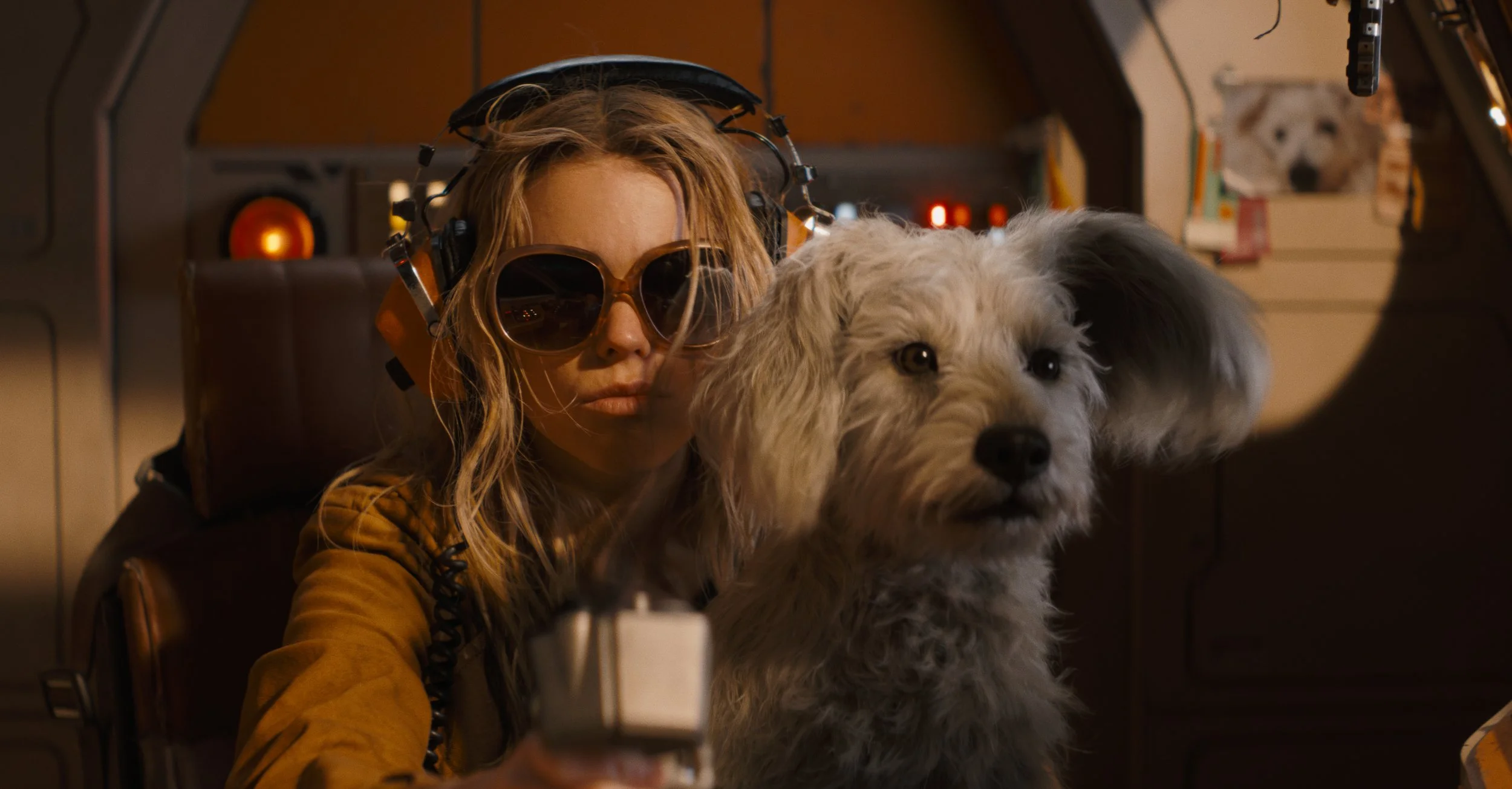
Copyright: © 2026 Warner Bros. Entertainment. All Rights Reserved. TM & © DC.
Talking a little about legacy and women. Did you know that you would be the first female composer of a DC superhero movie feature film?
I did not. I mean, I knew there weren’t many women composing for bigger films and then someone said to me, oh, you’re the first for DC. I didn’t know that and I thought they were going to make a big deal out of it.
I was like, oh my God, I’m sure I’m going to get some medal or something, but no one even commented on it. I also didn’t want it to be a thing because I wanted the music to speak for itself.
I think it’s hugely important to be visible. To normalize the concept of a woman being in control of the music, being head of the music department. I want that normalized because I’ve often gone for jobs and definitely haven’t gotten them because you know who I am.
I’m seeing a lot more women composers working, which has been incredibly gratifying, a lot of it coming out of Europe. There was Hania Rani, a fantastic Polish composer on Sentimental Value. It was brilliant.
Fifteen years ago, I went to my first BMI awards. I think one woman got up. Over the years, it’s been maybe two for one year. You’re talking 150 composers getting up and maybe there were eight women standing up this year.
I’m just saying it’s not unheard of now. I don’t want to fly the flag, but I also think it’s incredibly important if I have any visibility within this, that I be visible and it becomes not a shocker that a woman was helming the music on a superhero movie or a movie of this size. I think that would be nice if we could normalize that.

Follow me on BlueSky, Instagram, Letterboxd, YouTube, & Facebook. Check out Movies with My Dad, a new podcast recorded on the car ride home from the movies.
Support Your Local Film Critic!
~
Support Your Local Film Critic! ~
Beyond the Cinerama Dome is run by one perpetually tired film critic
and her anxious emotional support chihuahua named Frankie.
Your kind donation means Frankie doesn’t need to get a job…yet.