
Directors Ramiel Petros & Nicholas Freeman Talk Building Trust in “The Last Guest of the Holloway Motel”
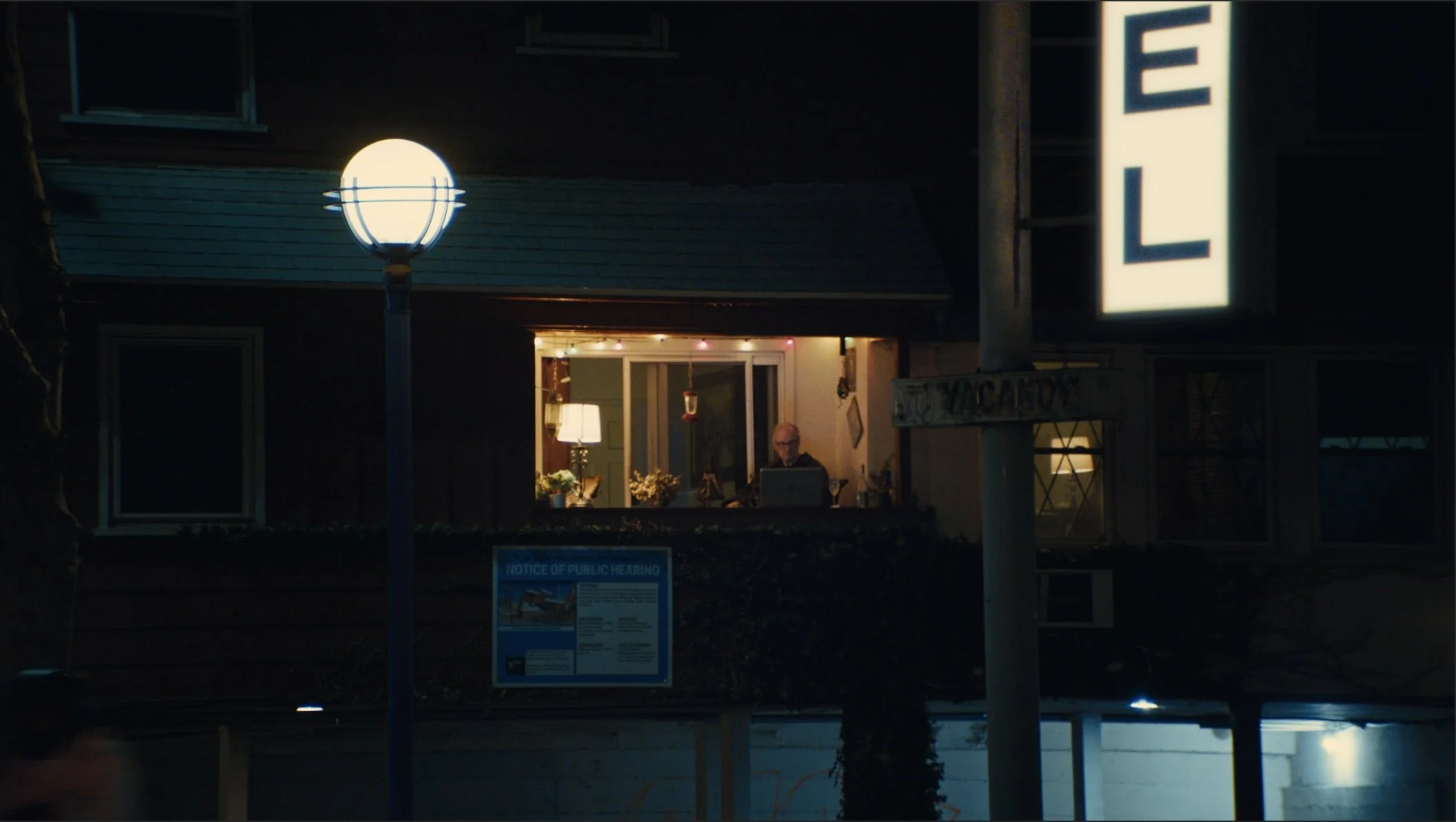
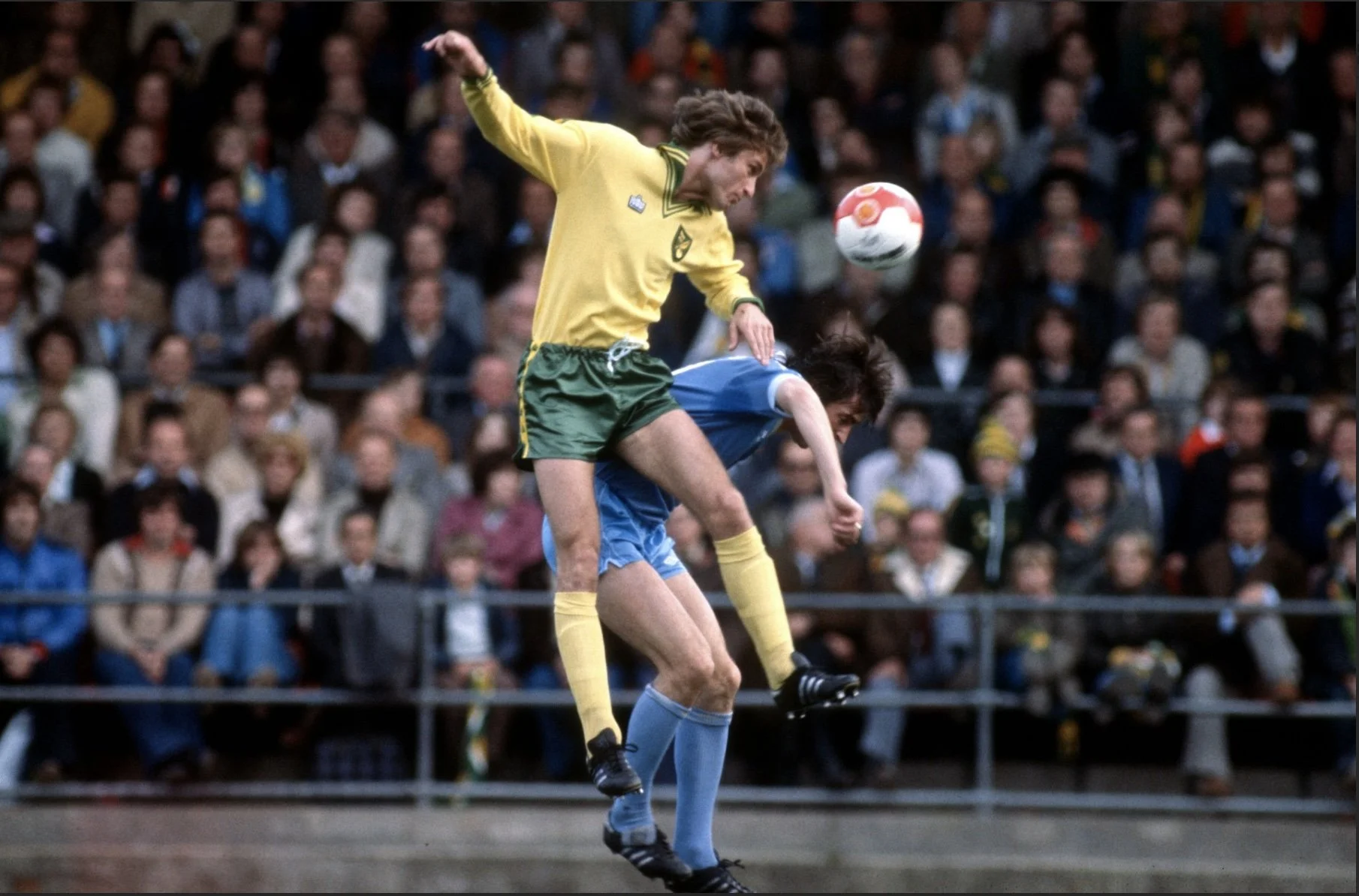
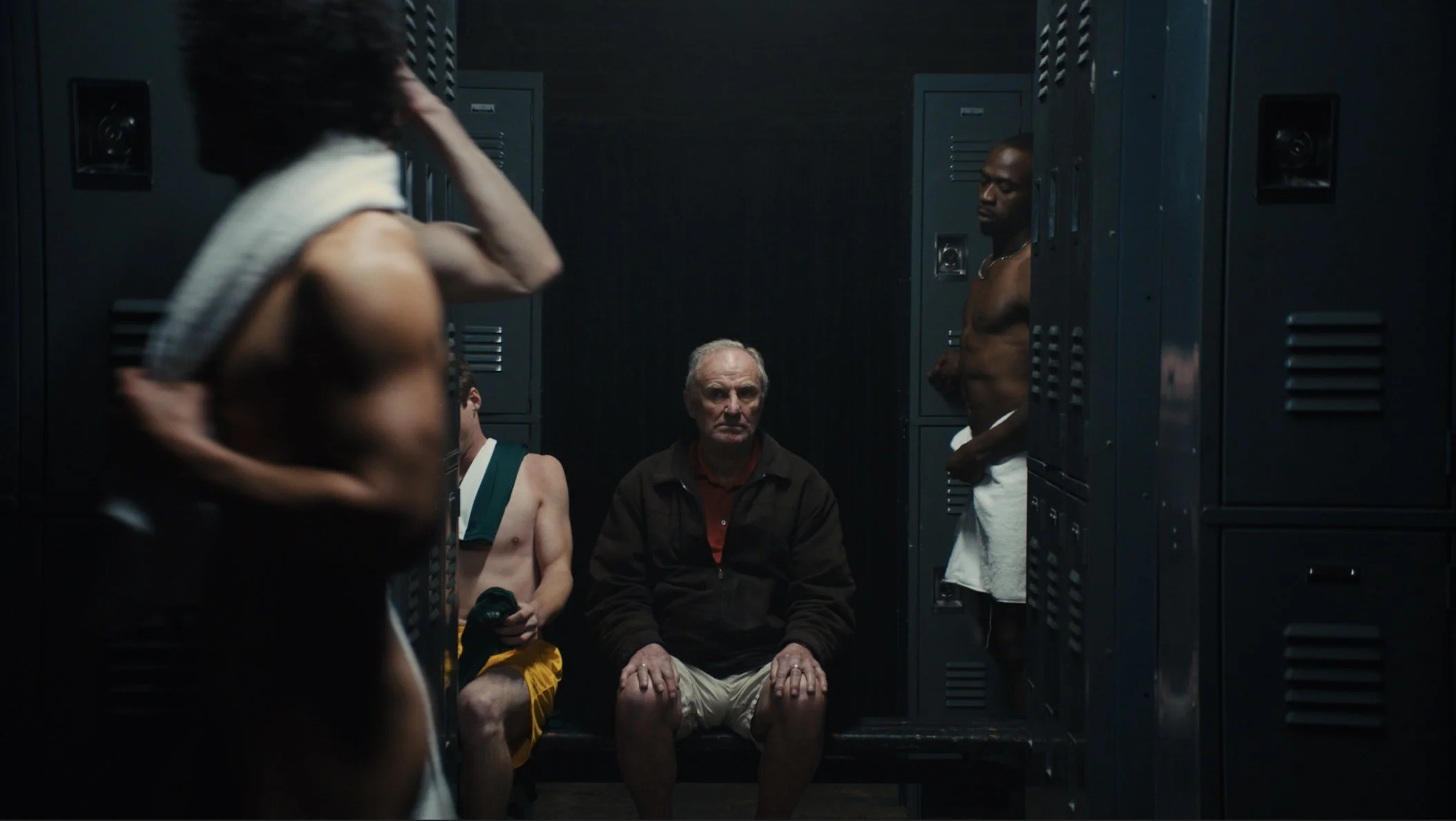
The Last Guest of the Holloway Motel, on its surface, is about Tony, the man who runs a soon-to-be-shuttered motel in Los Angeles. As filmmakers Ramiel Petros and Nicholas Freeman began to document Tony’s final days in the place he called home for decades, pieces of long-hidden parts of Tony’s life began to bubble up. His queer identity, estrangement from his family, and his professional football career in England all come to light as Petros and Freeman weave a story of self-acceptance.
I’m always curious about directing duos, friends, and how they decide they can turn a friendship into a professional relationship. Could you talk a little about that dynamic and how you realized your friendship could be a working relationship as well?
Ramiel Petros: I feel like maybe ours is a little more unique because I think so many people kind of go in with intention in that way. Nick and I have known each other since film school and have worked on each other’s projects in different capacities. He’s shot some of mine, I’ve produced some of his, just kind of like the film school vibe of helping each other out.
When this project started off, the scope of it was so completely different. It was going to be a two-minute, three-minute short film. We thought maybe it would just be a vibey Vimeo piece. We didn’t know what it would be.
It was kind of like…not an arranged marriage, but a one-night stand where you’re like, we’re going to become a family after today.
Courtesy of The Last Guest of the Holloway Motel
Like those one-night stands in quarantine where people were forced to live together.
Nicholas Freeman: That’s a great way to put it, actually. It really was a product of circumstance. I think what ended up working well is that we ran out of our first phases of money and, later in the project, even when we had a little more funding, we often found ourselves operating with almost no budget.
It was just me and Ramiel doing everything from shooting, rolling sound, interviewing, production design. Ultimately, that helped the dynamic with Tony to be able to keep it just Ramiel and me. We became friends with him.
It’s clear that Tony is so willing to talk about his dog, the motel, and soccer, but obviously it’s a bit harder to get him to talk about other aspects of his life. How long did it take you guys to break through that wall? Did he have any reservations about sharing that information but being okay with that becoming the central thesis of the piece itself?
RP: How we started filming with Tony was so organic. We met him and approached him as this strange motel manager, not because we knew about his old life. It was so casual, and that made Tony start opening up about other things.
He’d be like, well, you guys are so interested in me as a motel manager, guess what, I was a professional soccer player too. Some of that stuff came out really organically from him when the opportunity came for the project to become a feature. We talked to him and said, hey, if this is a feature film, we’re going to want to go to England, we’re going to want to talk to your family. It became a bigger scope. He was on board.
In hindsight, that seems like a really surprising thing for him to agree to, given there was so much he hadn’t told us. I think the way we met him just felt like a serendipitous opportunity for him to finally address these things. Maybe he felt like this was his last chance.
Courtesy of The Last Guest of the Holloway Motel
How long was the production window?
NF: It’s about two years. We understand it to be an extremely rapid process, especially for a feature documentary. We’ve heard of the average being four years, even more than that in some cases. I think part of the sort of serendipity of it is all these things were happening kind of in real time.
We structured the film in the order in which it was discovered. It truly wasn’t a situation where we were five years in trying to put something we shot yesterday first and something we shot first, last. It was sort of just like, let’s follow this trail.
It was such a transformative period of growth for Tony that it feels like a lifetime kind of happens. He went through a lifetime’s worth of experiences in just such a short period of time. We tried to ride that.
Five years is quite a long time for a documentary, but that does give you time to breathe, take a little break in between. It sounds like you were running consecutive marathons all the time. Was there anything that was beneficial to that shortened period?
RP: I think for this project, it was a benefit in the sense that we became so close to Tony. We were spending multiple days a week with him filming. If we weren’t filming, maybe we were taking him to a doctor’s appointment or whatever. It helped in that we felt like such a unit.
I think the challenging part was, as emotional as the film is for Tony, experiencing that in real time for a year, a year and a half. Obviously, it impacts your life as a human being. You’re impacted just by the fact that so much is happening to someone you’re involved with. If it happened over a longer period of time, maybe it would have been less taxing on that front as a filmmaker.
I don’t want to spoil it, but it does feel like you could have kept shooting for another year or two past where the film ends. When did you decide, even though you got this new information, that you had an end point?
NF: It’s a great question and totally a little tricky to say without spoilers, so I’ll do my best. Where the film ends, we talked a little bit about whether to shoot more, but for the most part, it felt like we had closed this chapter of this book. The new information felt like a new story. Ultimately, this is a film about Tony growing and changing. I think anything beyond that would have complicated that through line.
Courtesy of The Last Guest of the Holloway Motel
You guys couldn’t have guessed that when the film comes to Video on Demand, we’ll be in the middle of the men’s World Cup, and pride month will have just ended. It’s coming at this confluence of so many aspects of the film. Even though Tony had his soccer career in the ’70s, it’s still so rare, especially on the male side of soccer, for there to be professional athletes who are openly queer. Given the time of release and where we are, how do you see Tony’s story having a ripple effect going forward for more athletes to be honest about themselves?
RP: My understanding is there are 48 teams playing in the World Cup, but not a single out athlete playing or coaching. The pressure that closeted athletes feel hasn’t changed as much as the world around them has changed over the 50 years since Tony played.
More than anything, this film offers a cautionary tale about what happens when you’re forced to hide who you are and how it ripples out to affect every person. Connections with your family, your friends, your career, just everything.
Something we’re proud of is that when we’ve shown this film, people come up afterward and tend to say two things to us. One, we’ve had people who have said they’re gay and haven’t come out to their families, or it’s just something they don’t speak about. Watching this, they feel like they want to give their family the opportunity to overcome their expectations and give them the chance to accept them.That’s super meaningful, because it’s obviously something Tony was able to do. Secondly, I think a lot of people come to us and say we’re estranged from our parents or our siblings or whatever, and this film makes us want to reach out to them.
The documentary reminds us that everyone has something they’re working through. I think the idea of forgiveness and putting something behind you so you can move forward positively is what I hope people take away. Living your true self, accepting others, and moving forward so you could have positive relationships.
When you were editing, was there ever a thought of like, oh, this is too personal, and for Tony’s sake I’m going to leave it out? Or maybe more of a focus on the soccer side of things?
NF: It was tough. The story obviously evolved as we were shooting it and there are a number of different Google Doc outlines. Earlier on, it was certainly thought to become more of an historical look at closeted athletes or athletes who have come out. As the story became more personal and it became so much deeper with Tony’s present-day journey, that was the thread we ultimately wanted to follow as filmmakers.
With Tony, at a certain point much later into the filming process, after we’d done a number of interviews, I remember it seemed very clear to Tony that this was an opportunity for him to tell his story in his words. Put his narrative in his words as opposed to the tabloids and other rumors that have populated the public’s understanding of Tony for the last 40 years.
Find The Last Guest of the Holloway Motel on Apple TV+ and Amazon Prime now!

Follow me on BlueSky, Instagram, Letterboxd, YouTube, & Facebook. Check out Movies with My Dad, a new podcast recorded on the car ride home from the movies.
Support Your Local Film Critic!
~
Support Your Local Film Critic! ~
Beyond the Cinerama Dome is run by one perpetually tired film critic
and her anxious emotional support chihuahua named Frankie.
Your kind donation means Frankie doesn’t need to get a job…yet.