
Composer Mac Quayle Finds Grotesque Grittiness in “The Beauty” Score
People will do anything to feel beautiful. That much has been true since the beginning of human history. In Ryan Murphy and Matthew Hodgson’s television series, The Beauty, the lengths people will go to achieve a certain physical look becomes quite extreme. The title refers to a sexually transmitted treatment that makes the person literally shed their previous skin to become the pinnacle of physical beauty. The series is a blend of extreme body horror and Fincher-esque crime investigations. It’s composer Mac Quayle’s job to find the common thread between these two worlds. Luckily, this isn’t Quayle’s first time working with Murphy on a series, so he was able to immediately dive into scoring The Beauty.
“Ryan has the initial big idea about what he’s looking for. We have a conversation and he tells me what he’s hoping the music can do. He wanted it to sound like sci-fi and horror. That was the initial brief. He wanted the main theme to be something that evoked what you would hear from ’50s sci-fi, but with a modern approach to it. He definitely wanted an electronic sound.”
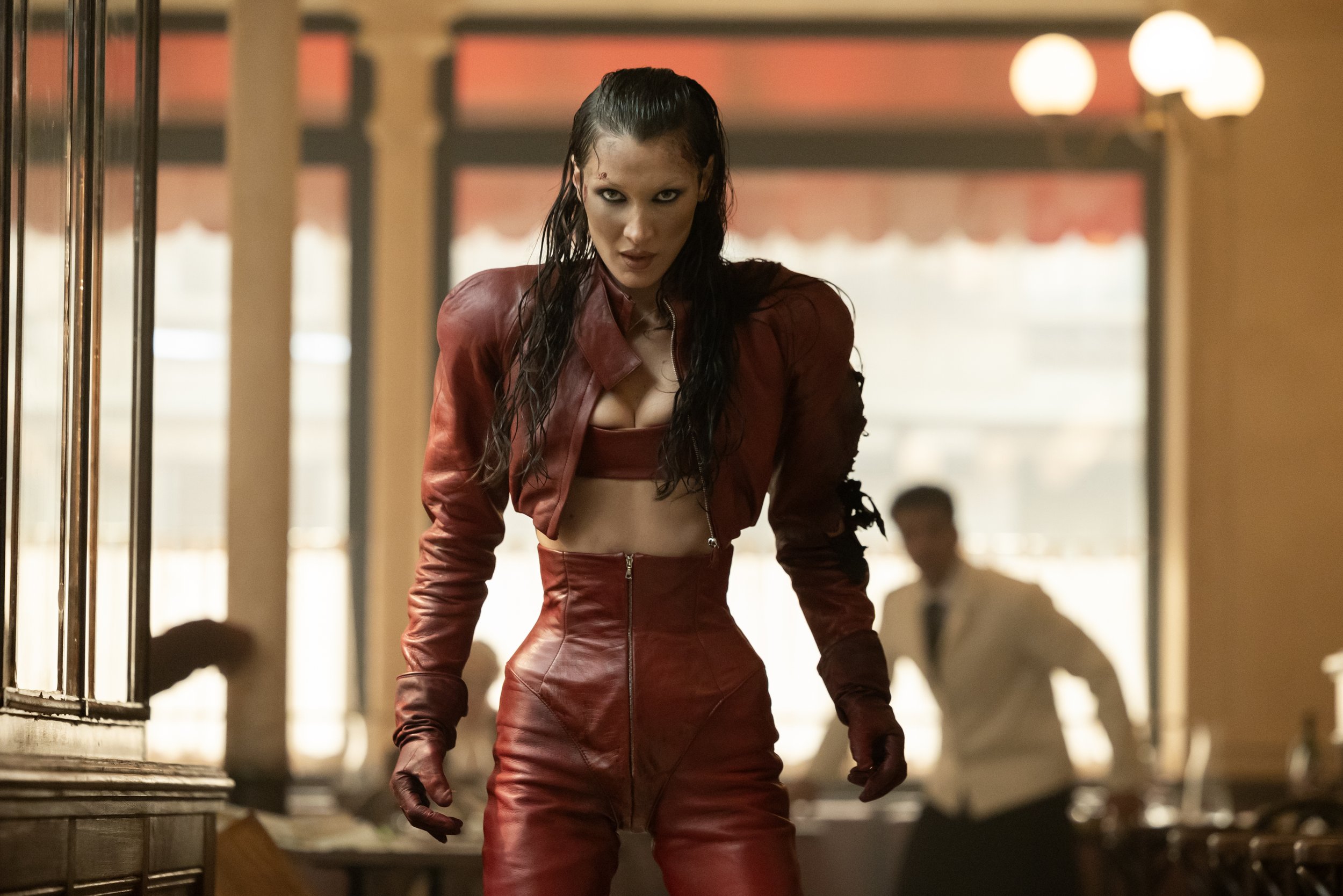
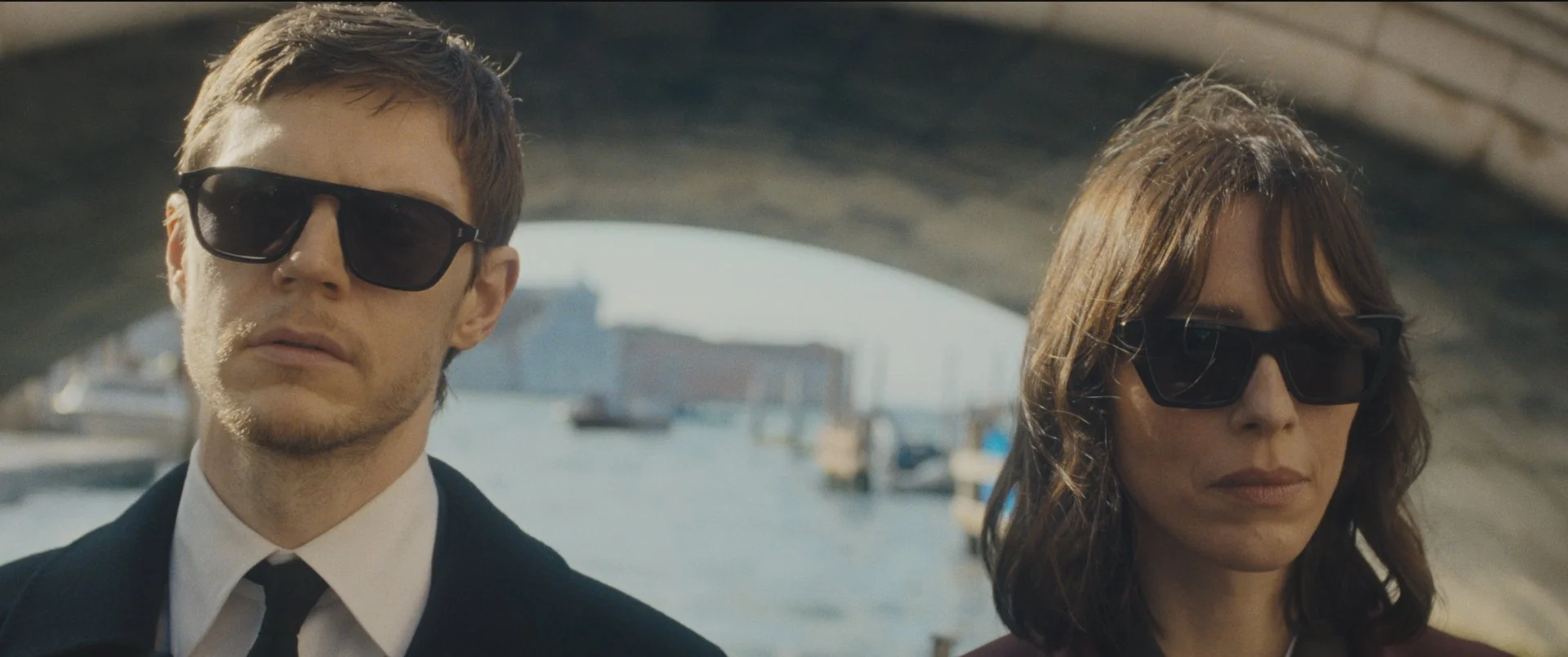
These classic sci-fi cues can clearly be heard during the more body element-focused scenes of the show. The storyline running concurrently alongside that of the physical transformations is an FBI investigation led by agents played by Rebecca Hall and Evan Peters. Their scenes are far more grounded and grittier, providing a breath of realism that balances the more gonzo aspects of a skin-shedding STD.
CR: Philippe Antonello/FX
“A lot of the credit here goes to Ryan for telling a story that weaves those elements together in a way that I feel is very natural. There are a lot of projects in the genre of the action thriller, and there’s a lot of horror, but to meld the two together…it’s a little less common.”
“With the music, I’m trying to give Ryan what he needs to tell his story. In the body horror moments, the score is really underlining it, but then it may shift to the next scene, where there’s an action scene and the music shifts again to help tell that.”
“Maybe there’s some horror within that, so I have to add a little punctuation, right? I remember in episode four, there was a bunch of horror and action all happening at the same time. I was getting to use the vocabulary I developed for the horror and for the action and put them together.”
In the first episode, the viewer gets to see Jeremy (played by Jaquel Spivey before the transformation) undergo the brutal change. It’s a visually jarring moment, but auditorily jarring as well. There’s such a massive change in the score’s tone and role in the episode that it makes the viewer pay a little more attention.
“It’s a powerful scene. There’s a lot going on. Jeremy is being violently thrown around the bed by his own body. The music was intended to help push that, to help make it scary and exciting. So beat driven. We then used a similar formula in each of the other transformation scenes that happen throughout the series.”
FX
Murphy became a household name because of Glee, the show about a bunch of misfits who find meaning through an afterschool glee club. Glee is perhaps the best example of Murphy’s ear for using music as a storytelling device. While no one is breaking out into song in The Beauty, the soundtrack selections feel deeply embedded in the DNA of this show and, by necessity, in conversation with Quayle’s score.
“Ryan is known for choosing some very effective songs in his shows. Often, some of the key songs are already there when I join the project. Episode one opens with that classic track from The Prodigy from the ’90s. That was already in there, it really grabbed my attention. I thought it was perfect.”
“Other times, there might be placeholders that end up changing before everything is finished. I think in this case they chose a Prodigy track that’s an electronic, beat-driven track. There are a number of pieces of score that aren’t similar to that track, but they have some of those elements. That strong beat, electronic sound.”
“I guess you could say the score is influenced by that style a little bit, but other times there are songs the score doesn’t really acknowledge at all. A song does its own thing, and I think that makes it even more special. It stands out as a whole new style of music for a particular scene. Then we go back to the normal sound of the score.”

Support Your Local Film Critic!
~
Support Your Local Film Critic! ~
Beyond the Cinerama Dome is run by one perpetually tired film critic
and her anxious emotional support chihuahua named Frankie.
Your kind donation means Frankie doesn’t need to get a job…yet.