
Composer Roger Goula began his music career studying classical guitar, jazz, and composition. When he graduated from Goldsmiths College in London, he was already writing songs for himself and thoroughly enjoying playing the music of others. What led him to a career as a composer instead of a performer goes back to an adolescent injury.
“When I was thirteen, I hurt my arm playing basketball stupidly, and I was in hospital for a month. Luckily, I recovered from that, but when I was doing one-hour concerts as a soloist, I would struggle because my hand would get cold. I have a problem with a nerve in my right hand because of the injury. I started being very conscious of that and it was mentally taking me out of the performance. I know other composers who were good players but became composers because of injuries. That’s relatively common.”

Courtesy of Roger Goula
“Another reason is that whenever I had an instrument, I wanted to know how to play it, which noises it would make, and what weird things I could do with it. When I was a kid, I would put things on the piano strings. My parents thought I was breaking the piano, but I think it was very important to me. It was about sound. Music is about controlling sound and the structure of sound. It’s about the poetry of sound. What sound triggers you, and music is a huge part of it, obviously.”
In 2023, Goula released Ecosystems, his second solo album. He describes it as each song having its own ecosystem, but some were thriving, others not so much. Goula also notes that the album has an undercurrent of climate change and humanity’s role in that, but he never wanted to lose sight of the poetic nature of the album. Little did he know that, a few years later, filmmaker Georgia Oakley would use that album on the set of her adaptation of Jane Austen’s Sense and Sensibility. Perhaps more surprising is that this isn’t the first time Ecosystems has played a role in a movie’s score.
“I had this sound in my head. I was always very interested in how electronics interact with acoustic instruments for Ecosystems. Some of that album was put into the Oscar-nominated documentary All That Breathes. I did write a few more cues inspired by it as well for that project.”
“Georgia loves that film. She told me that she learned about my music and me through that film. She found Ecosystems and she was quite inspired by that as well, because in Sense and Sensibility, there’s a lot of that same connection with nature.”
“I think music is always somehow inspired by all the music that exists. Someone said that music is the only postmodern art because you always have to refer to other music to make it. There’s no other way.”
Courtesy of Universal
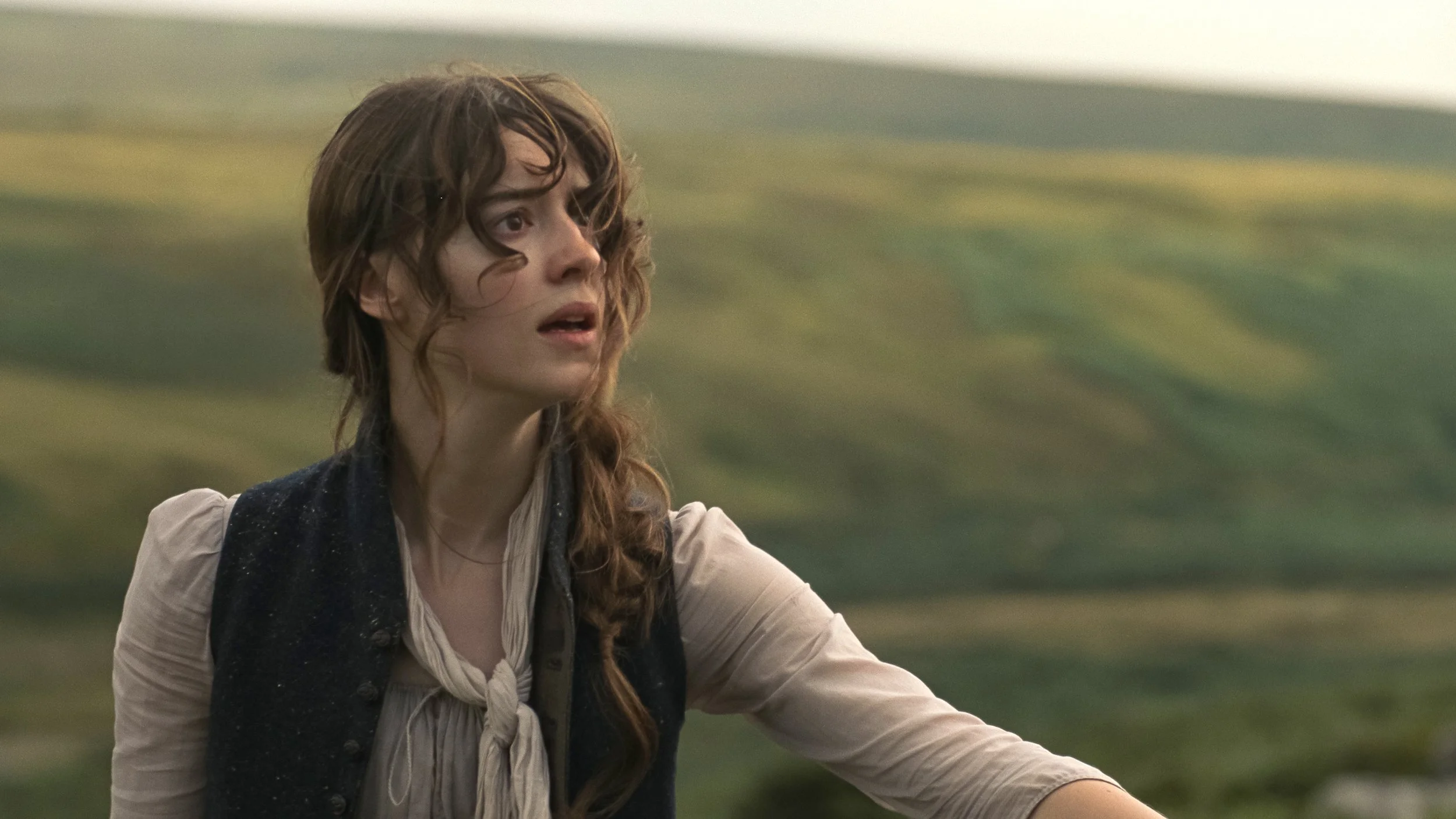
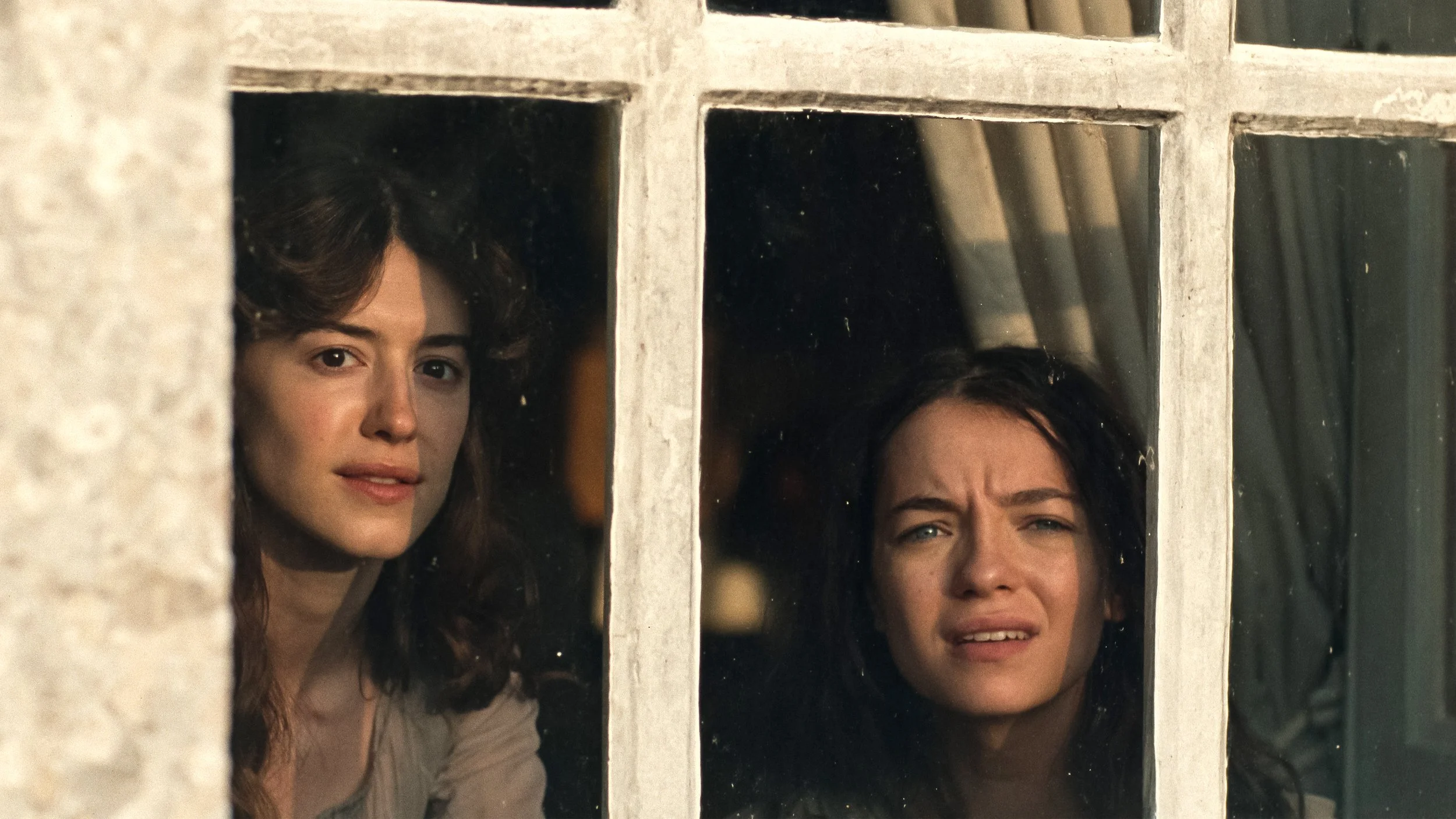
Sense and Sensibility is Austen’s first novel and was originally published anonymously in 1811. The book tells the story of the Dashwood sisters — Elinor (Daisy Edgar-Jones), Marianne (Esmé Creed-Miles), and Margaret (Bodhi Rae Breathnach), as they and their mother (Caitríona Balfe) struggle to hold onto their home after the death of the family patriarch. While never explicitly stated, the book is believed to take place sometime between 1792 and 1797, the end of the Baroque era, which just so happens to be a style of music adored by Goula.
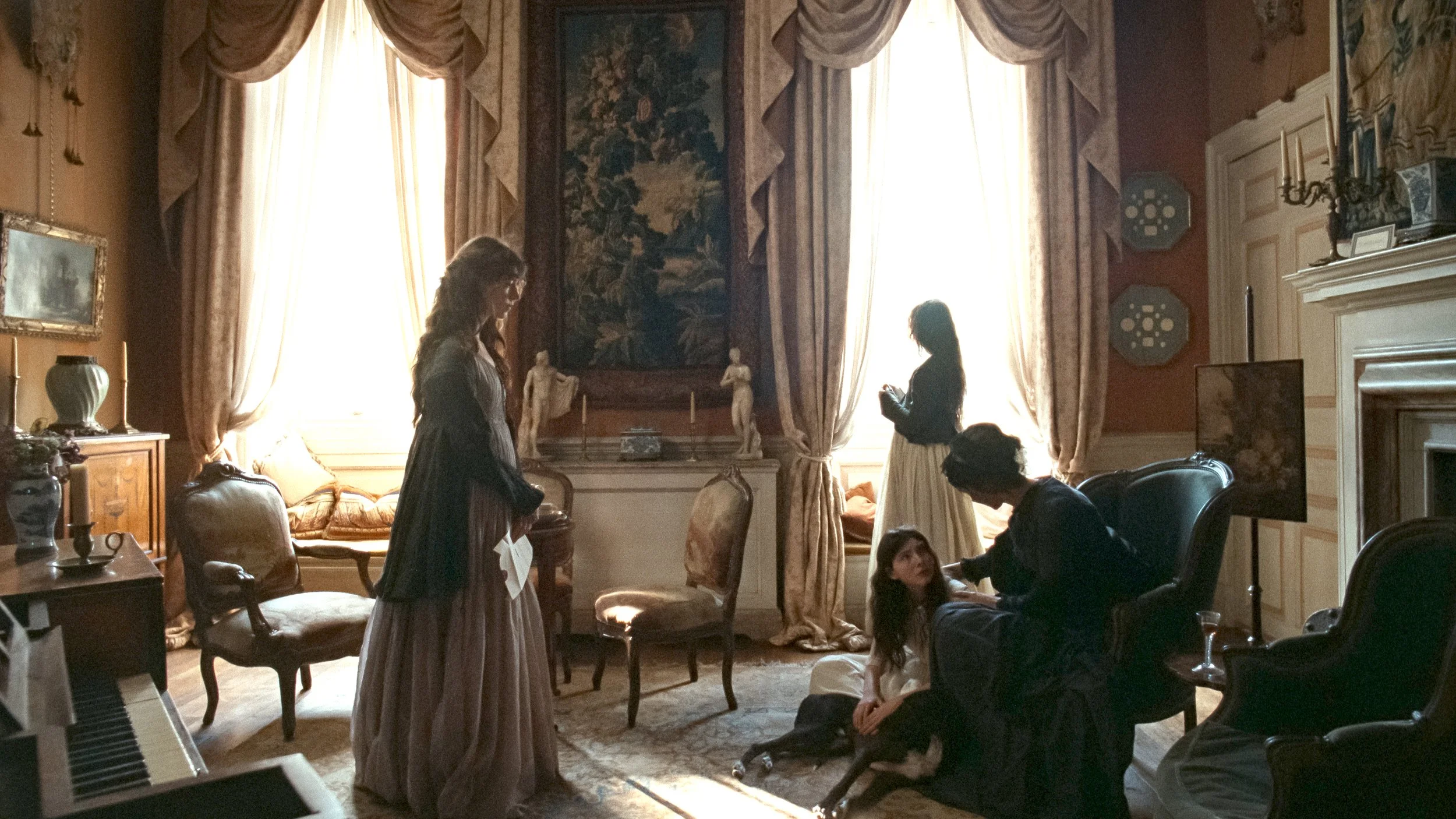
“One of the early talks I had with Georgia was that, firstly, they had to do the music in the film. The music that was in the parties and the pianos that Marianne plays, I did bring those pieces as well. Those are stylistically inspired by the music of that time.”
“Something that always intrigues me musically are these transitional periods. Georgia and I talked a lot about how they set it in 1795. You have to think that Mozart died like four years before, and I consider some of his work as very early Romantic. They’re not wholly Romantic, still classical. This transition period is very nicely portrayed in one of the parties in the film where you see people wearing Georgian dresses, but the old lady is still wearing late-Baroque wigs.”
“Musically, this was interesting because most of the music was played in the courts of the kings. There was a French Revolution that ended this, and a lot of people started learning the piano. Not to mention, the piano is also a completely new instrument. It would be a refined thing to have a pianoforte at home, not like the old harpsichord.”
Courtesy of Universal
“It’s very interesting how just by being able to sustain notes on a piano can completely change the way of writing music. There are certain things in the music that are inspired by late-Baroque sounds. For example, there’s the “Leaving Norland” selection where there’s a solo violin inspired by a Baroque sonata or violin in a more minimal way.”
“Then there are moments that are a bit more Romantic in places. Marianne is the beginning of that Romantic era, whereas Elinor is the end of the Baroque. Marianne represents that new view, a new era of the emancipation of women. Musical cues for Marianne are much looser and more romantic, whereas the ones that are more Elinor are more strict and structured.”
Like other Austen narratives, there’s a love story threaded throughout Sense and Sensibility. Elinor grows close with Edward (George MacKay), brother to a snobbish woman. When the two lovers finally have their moment of reconciliation, the viewer expects the music to swell. To crescendo to a sweeping moment of love. Oakley, however, wanted to mix things up.
“When Elinor runs up the hill, when we see Edward, and the music stops, normally you would have another cue. I think it’s very clever of Georgia to say, no, don’t score it, let’s see her, let’s listen to her breathing going uphill, struggling to go there.”
Courtesy of Universal
The honor of being part of an Austen adaptation is not lost on Goula. There’s a long legacy of Austen as a writer, but also of her work in film and television. Goula notes that even though these stories are hundreds of years old, they remain relevant today.
“I think music is a great way to bridge cultures and generations. Music helps to make it contemporary. With Georgia, we talked about putting in more electronics, less classical. There are quite a lot of synthesizers in the score, and a lot of pianos are modified through samplers.”
“With Austen, if you take out the dresses and you put the story into contemporary LA, it would work. Instead of the overbearing aunt, you have Tinder or something. It’s still the same, you know what I mean? Jane Austen was very clever in the way she could go deep into the meaning of society, love, and the struggles between the two. That makes her very contemporary.”

Follow me on BlueSky, Instagram, Letterboxd, TikTok, YouTube, & Facebook. Check out Movies with My Dad, a podcast recorded on the car ride home from the movies.
Support Your Local Film Critic!
~
Support Your Local Film Critic! ~
Beyond the Cinerama Dome is run by one perpetually tired film critic
and her anxious emotional support chihuahua named Frankie.
Your kind donation means Frankie doesn’t need to get a job…yet.