
Slamdance ’26: Writer/Director Jessica Barr Talks Millennial Frustration in “The Plan”
There are plenty of films that feature single-take scenes. Extended moments where the camera never stops rolling. The “Rock DJ” performance in Better Man, the Dunkirk sequence in Atonement, and the car chase in Children of Men are examples of how powerful it can be for the viewer to watch action unfold in real time. These scenes take an immense amount of planning, coordination, and focus to work. Writer/director Jessica Barr decided to take the planning to another level with her Slamdance-premiering The Plan. The entire film is an unbroken pressure cooker of a single take that captures Barr’s own frustrations about the state of the world.
While the single-take style matches the themes of The Plan, Barr admits that it was more about the cost of filmmaking than a purely narrative choice.
“I wanted to make something that I could make in my apartment. I had another feature I was prepping to do, but it kind of fell apart. After that, I was like, I just want to write something that’s easy to make. Something that talks about stuff I’m really passionate about at a time when it feels hard to make art. In the greater scale of what’s happening in the world, it’s difficult to feel like it matters, to me personally. The idea for the oner was a budget thing and also because it would be easiest to make.”
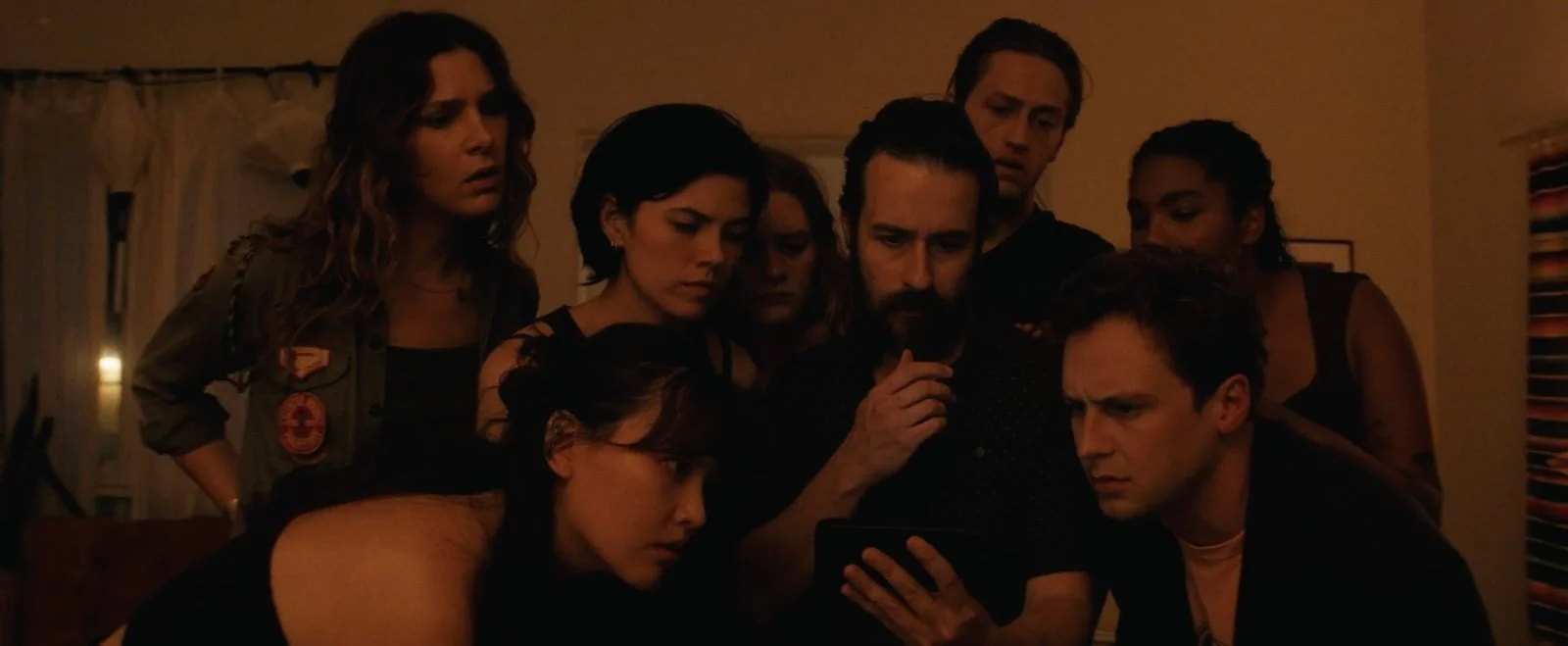
At the time Barr and the crew shot The Plan in her apartment, she had three roommates. Luckily, all of them were filmmakers, so they understood what it would mean for their living space to become a fully functional set. While Barr no longer lives there, that apartment became not only the shooting location, but also the homebase for all preparation.
“My DP, Sarah Whelden, is one of my good friends, and Kelly Wilcox, her wife, is also one of my good friends. They both produced it and Kelly also did production design. They would come over and we would map out the blocking. We had to figure out how we were going to navigate the space. If someone goes in one hallway, maybe the next person goes through the other hallway, etc.”
Courtesy of Sarah Whelden
“I would say we did that for a month. Tangentially, I think I had cast a majority of the actors two months before the shoot. At the time, I had around fifty pages of dialogue in the script. Then, with the actors coming in and rehearsing it with me, talking through how all the characters knew each other, back story stuff, we developed the script more. I think it got a lot stronger. Everyone was encouraged to improvise through these rehearsals. I started working on it in April and then we shot it in July.”
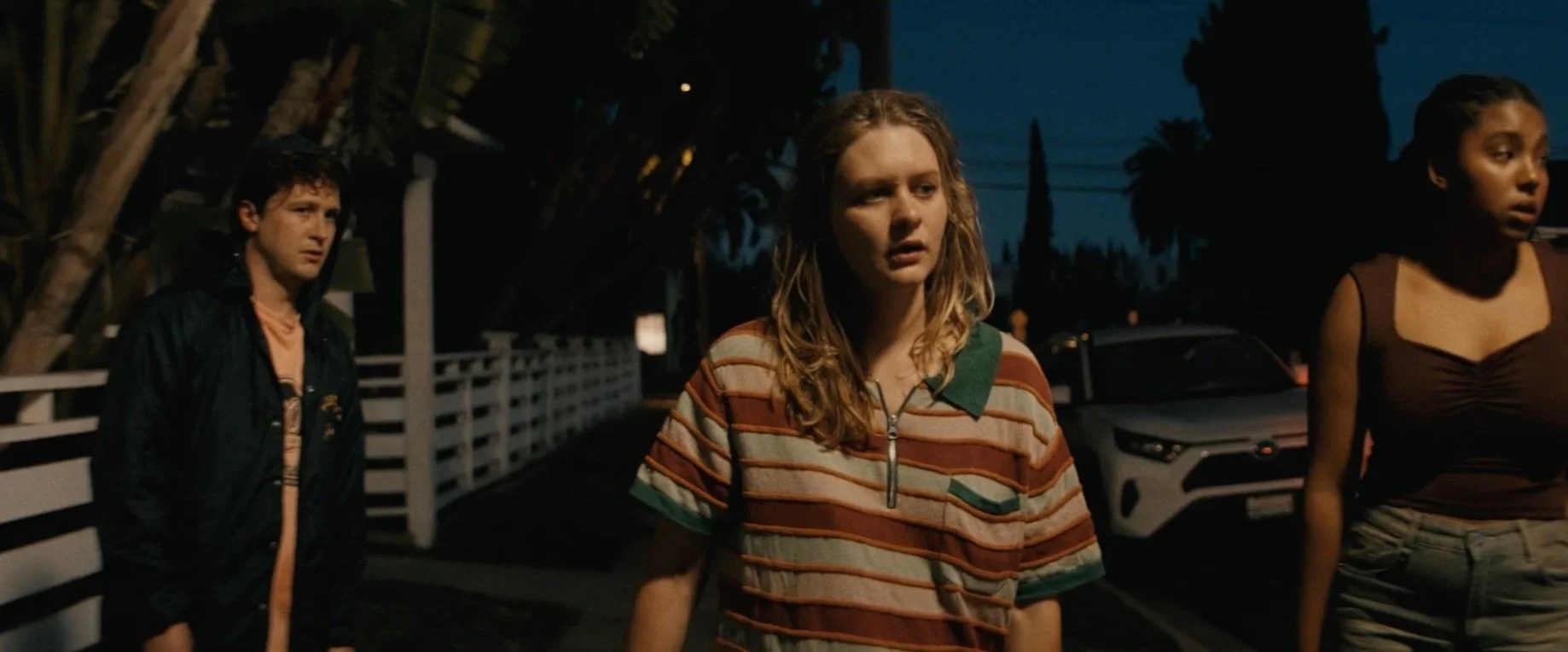
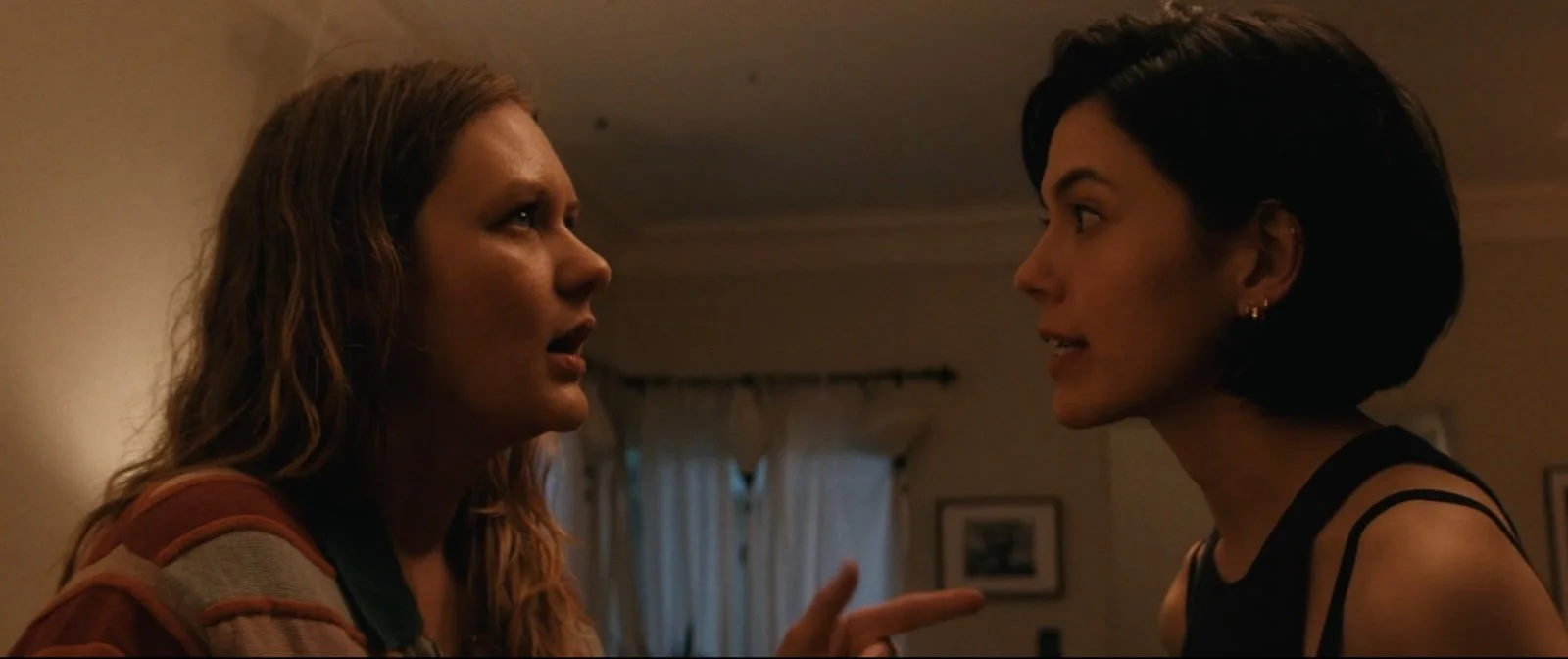
The Plan is the story of, well, a plan being put together by a group of young adult radicals. They’re disillusioned and on the fringes of society with a great big agenda that unites them all. It’s not immediately clear to the viewer what beliefs these characters hold or what it is they’re working toward. One by one they arrive, and the weight of whatever plan they have begins to weigh heavily on some more than others.
“I love casting, I cast all my things. It’s so fun. I think when you try to cast an ensemble piece specifically, you’re starting with one person who brings it all together. For this project, that was Ryan Simpkins, who I had known a little bit before. You can tell when someone gets it if you meet them in real life and they’re not acting, because I’m always about bringing an actor’s real self into the role.”
“Logan Miller is Ryan’s good friend, so their chemistry was there. Jordan Hull kind of knew Logan, and Jordan is a dear friend of mine. I was kind of piecing together people I knew and then it expanded. Frank Mosley is a good friend of mine too. Percy Hynes White is my neighbor, Ryan’s my neighbor. Arkira Chantaratananond is a good friend of mine from the Pacific Northwest.”
“Eve Lindley was the one person I didn’t really know directly. Sarah, my DP, was working on a short that Eve was in, so she kind of helped float the idea to her. I’m so happy she was in this, because I think she’s so funny in it. Eve always wanted to do one-take film. I think a lot of the actors had always wanted to do something like this. It’s a joy for me because I didn’t have to convince them too much about this.”
Courtesy of Sarah Whelden
“I was looking for people who were really open, curious, and had their own independent viewpoints because I think, as actors, it can be a life of just being someone else. I want everyone to have some sense of autonomy and their own fingerprint on this piece of art. It just comes down to the personalities of everyone.”
One-take films are all about timing. The viewer is experiencing the events as they unfold in real time. There’s no way to hide mistakes and it’s painfully obvious when the timing of events is off. That’s not something that happens in The Plan. The sound design works overtime to connect all these different moments happening throughout the house to give the perception that, even if we’re not observing them, these characters are still being active somewhere else in the house.
“We had two-and-a-half rehearsal days with everyone, and then we had a tech rehearsal on that third day. Then we shot it three times. The first time we actually got it. We successfully got it in terms of performance and capture, like nothing was bad.”
“The second night we were able to do a lot of that recording you’re listening to throughout the film. I was like, this is going to be so much easier to get now versus in ADR booths in post-production. On the second night, which we didn’t use, I was like, guys, just keep talking as you would. We need to hear these weird whisper convos and it adds to the paranoia of the whole collective. I was very lucky that the first night we’d gotten a good one. We ultimately used the third one, but it was really nice to have that first one done.”
Courtesy of Sarah Whelden
“I’m also a post producer for money, so I’m very into designing the sound. I worked with my sound designer a lot on the helicopter noises and people chattering on the street. Kind of building this world outside the apartment. I think the fictional world out there is a little bit further along, perhaps, than where we’re at right now in America. Where there’s a lot more military presence in my mind in LA. It doesn’t feel far off now, though. At the time, it felt further.”
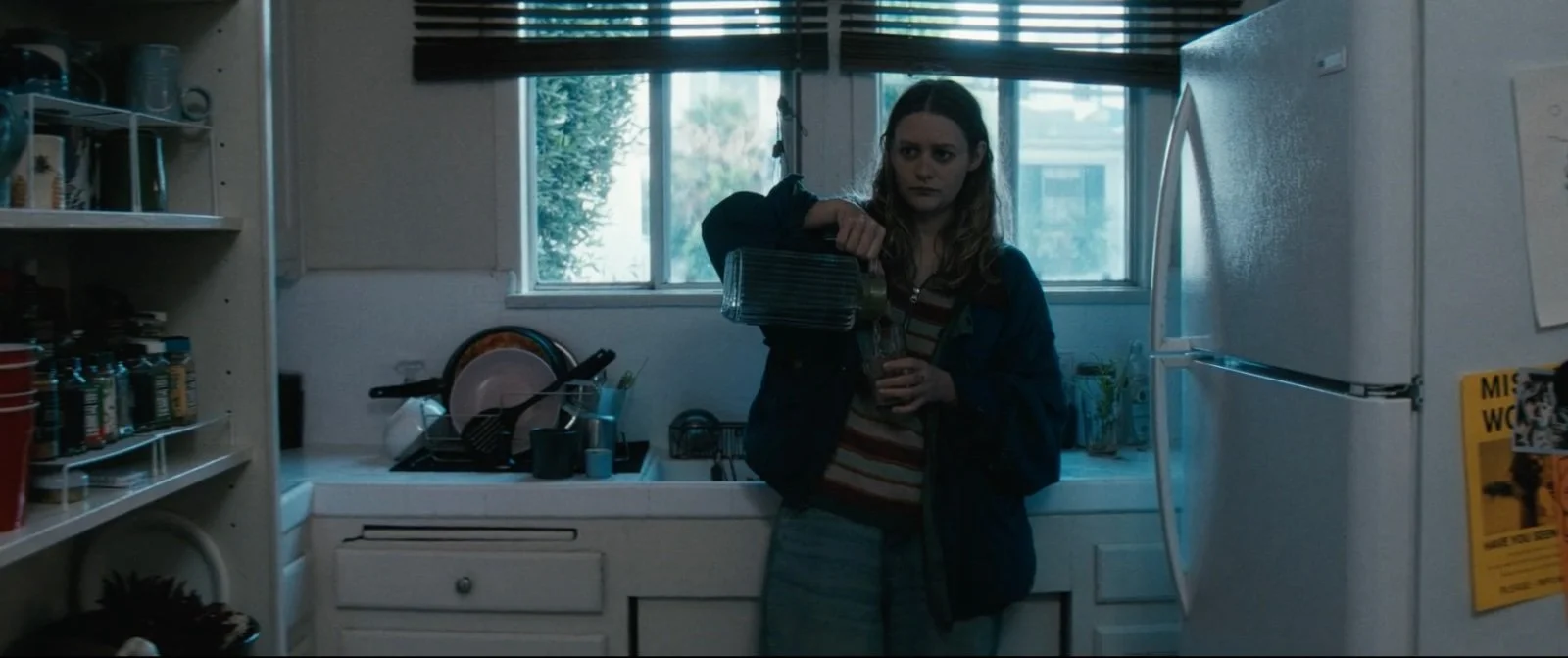
The decision to write The Plan came from a place of frustration and helplessness. Being alive right now is scary and overwhelming. It’s easy to feel as though the problems of the world are unsolvable by any single person or group. It’s this paralysis that Barr looks to critique in The Plan.
“I don’t really paint these characters super positively. If anything, I’m kind of poking fun at the liberal, radical-leaning space I’m a part of. I do think that, on both sides, it’s just a feeling of absolutism. Very violent political thoughts are obviously increasing. I’m from Portland, Oregon, so I’m not new to any of this stuff. America’s not used to any of this stuff.”
Courtesy of Sarah Whelden
“The point of the film, I think, is at the end, when they’re in the car and Jordan Hull’s character is talking about community and trying to figure out what to do. To me, I think that’s the point of life. Finding a community and a group of friends and family to lean on when things get really hard. One of the only things we can really do right now is help our fellow community in some capacity versus reverting to another version of hatred and anger that spews the same rhetoric that’s crushing our souls.”
The goal of Slamdance is to “function as an agent of change in filmmaking and digital media, helping to make the creative works of artists with divergent voices accessible to everyone.” In a world where festivals feel more and more corporate-minded each year, there’s still honest scrappiness in Slamdance because they value diverse storytelling above all else. It’s a festival rooted in accessibility in front of the camera, behind it, and in the theater seats. Barr has been chasing a Slamdance acceptance for a decade.
“I’ve been rejected from Slamdance for ten years, so it felt really good to get in. I always was like, I’m just never gonna get it. I truly think Slamdance is one of the only film festivals that really programs based on originality and creativity. There’s no thought of star power or anything like that. I really think they believe in the social message of the films. I’m just really excited.”
Catch The Plan at Slamdance! Visit the Slamdance website for tickets and screening information.

Support Your Local Film Critic!
~
Support Your Local Film Critic! ~
Beyond the Cinerama Dome is run by one perpetually tired film critic
and her anxious emotional support chihuahua named Frankie.
Your kind donation means Frankie doesn’t need to get a job…yet.