
With opera singers for a mother and father, there was always a thought in composer Edwin Wendler’s mind that he would go into music in some capacity. He grew up in Austria, where his dad worked as assistant director at the Vienna State Opera. His mom sang opera before switching gears to a career with the United Nations. When the three would go to the movie theater, Wendler recalls singing the melodies as they left and how they stuck with him. Despite growing up surrounded by music, the concept of composing for film and television didn’t seem possible. While Vienna may have been a great city for music, it was the classical variety that was most popular.
Wendler left Vienna for Los Angeles, where he took classes at UCLA Extension about film scoring. The program featured working composers who would come in and teach students about all sides of the composing business. One of Wendler’s favorite classes was taught by composer Dennis Dreith. It explained the financial side of things and told what to look for in a contract.
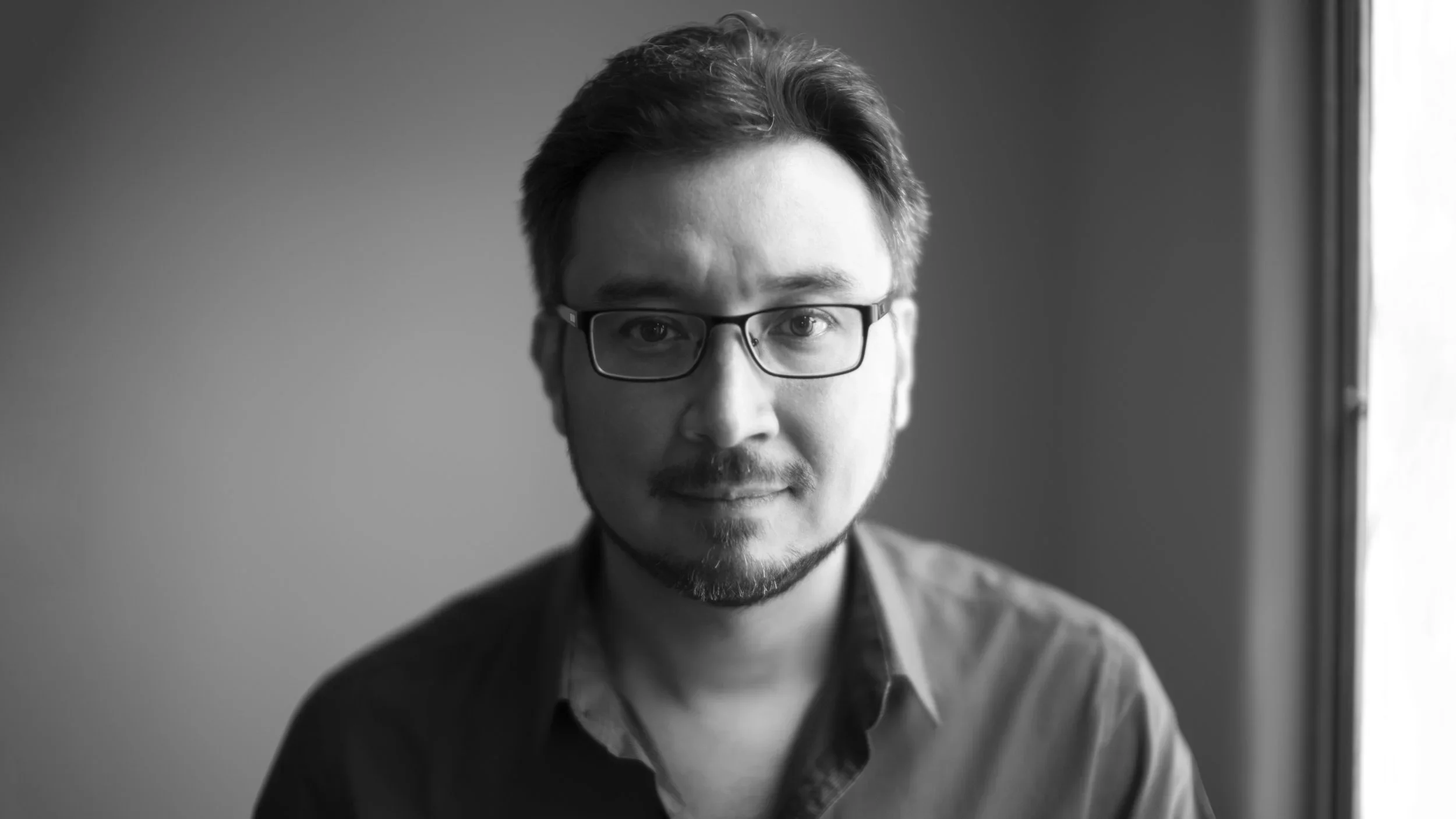
Photo by Matthew John Gonzalez
“I just soaked it all up. In my heart, I always wanted to do music. Every time I started doing something else, I became very depressed. After a while, I was like, I know I’m disciplined enough to learn law or Japanese or psychology, but me being depressed all the time is probably not good for myself and not good for anyone around me. Going into music and moving to LA was a bit risky, but I felt more at home here in LA than I had ever felt in Vienna.”
As a composer, Wendler has worked in almost all mediums and genres. He scored reality television with Fear Factor, video games with Call of Duty: Mobile, narrative films going back to 2001, and documentaries narrated by Kate Winslet. Wendler notes that the main difference between all of these different jobs is the time available. By their nature, video games have a longer development process than television series or movies.
“In extreme cases, you have just a couple of weeks to score an entire feature film, which comes with its own challenges. There’s this one game that I’ve worked on for about a year. It’s not that I work on it every day. It’s more like three weeks of nothing while the developers implement a lot of revisions. Sometimes, levels change, the looks change, the flow of the game changes. The music now has to change with that.”
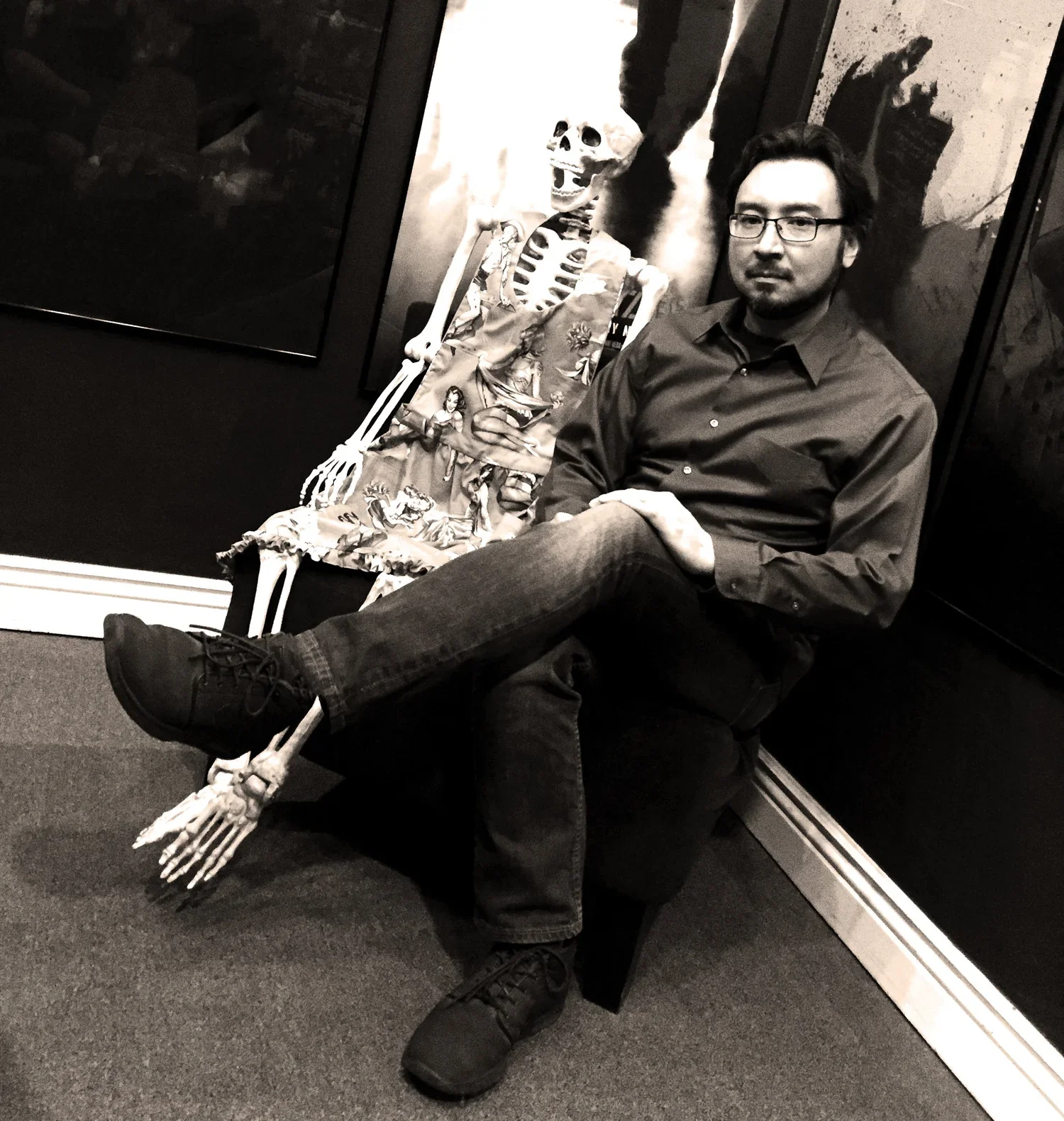
Photo by Peter Hackman
The first feature film Wendler scored was Home — The Horror Story from 2001 and, ironically, his most recent work is on another horror film. You Can’t Leave is written and directed by Scott Windhauser and currently playing in theaters nationwide. The film is described as a throwback survival flick where young people, in a quest to find their missing friend, find themselves in an abandoned cabin in the woods that holds terrifying secrets.
In the twenty-five years between these projects, the landscape of the horror film has changed significantly. Wendler explains that he loves working in horror because of the flexibility of the genre. Home — The Horror Story is a blend of comedy and horror unlike You Can’t Leave and pays homage to the action/horror movies of the ’90s.
“You can work in horror for a very long time and still find fresh things to explore. You Can’t Leave is not a straight horror movie, it’s sort of a blend. There are some action sequences in it. I wrote something like 92 minutes of music. It’s basically wall to wall. We did end up taking the music out in some areas, but the score exists to create an unease in the background. During the action scenes, the music is in-your-face to heighten the action and build excitement.”
When writing for horror, the score often allows the composer to mess around with creating new sounds. There are stories of composers detuning string instruments and then taking anything but a bow to use as a means of playing it. Because of Wendler’s background in choral music as a member of the famed Vienna boys’ Choir, he wanted to incorporate vocals into the score to speak to the supernatural aspect of You Can’t Leave.
“I wanted to have some kind of weird vocal mixed in with the orchestra, but not obviously, just part of the texture. I used choir boy samples, but pitched them down into more of a tenor or baritone register. I combined those with a synth that sort of slides where the pitch slides, which can sound unsettling.”
“In some cases, I took those sliding between the pitches and I reversed it. When the note ends, it ends very abruptly. There’s no ringing out, there’s no reverb. That in itself sounded disturbing, and it worked particularly well in one shot where a character walks out on the porch after waking up from a nightmare. We’re not sure if what she sees is a vision, if it’s a dream, or if it’s an apparition.”
Wendler’s score for You Can’t Leave features a beautiful wall of strings. In particular, the selection “You Can’t Connect” sees high stringed instruments in a battle, or a heated conversation, with the lower-toned ones. Wendler points to the long history of strings in scores of horror movies going back to Bernard Herrmann’s work on Psycho, and even before.
“There is very minimal thematic material in this score. There’s what I call the thread motif that’s really only three descending notes. I wanted that motif to go all over the place in terms of register, tempo, texture. You can sometimes hear the high strings playing these three-note motifs repeatedly and quickly, and then the lower strings playing the same thing much slower.”
“It was important for this particular project that the threat is omnipresent. No matter if it’s in the context of an action sequence or a dialogue scene or some innocuous thing they might be discussing. The highest level of threat they feel is always there because they’re in an area they can’t escape from. We wanted the music to do something similar.”
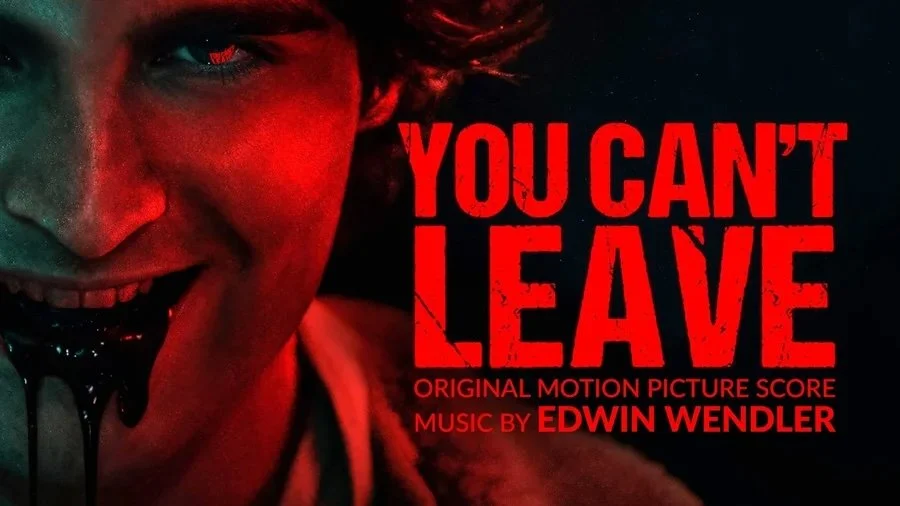
Some selections in the film are short, frantic blasts of music that are about a minute long. At other points, the score really digs in and the selection runs far longer. Much like writing the beats of the narrative story, Wendler has to consider the ebbs and flows of tension within his score.
“It all starts with tempo. As a composer, you watch a scene and you try to figure out the tempo within the scene, but also what comes before and after. Can I build a bridge by having the same tempo go over 3 or 4 different scenes? Does it make sense?”
“Slower parts for me are maybe a bit more difficult because I love writing action music. For a lot of composers, it’s switched because action music can be very labor intensive. I enjoy the feeling of writing action music because I’m in a heightened adrenaline kind of state, which is just exciting.”
“I try to capture that feeling while writing. If I can feel it, then I hope it translates to an audience. A mentor of mine, composer John Ottman, who’s brilliant and wonderful, doesn’t very much enjoy writing action music because it’s loud and he doesn’t really enjoy writing loud music. Frankly, the score in an action movie is often being drowned out by sound effects.”
“In the case of You Can’t Leave, we had an absolutely brilliant re-recording mixer, the person who mixes together dialogue, sound effects, and music. His name is Tony McVann. He sees the structure in everything he works on. He’ll say that dialogue comes first, music second, and sound effects third. Music was always upfront in the mix, just below the dialogue. I’m very thankful for that because it means that, even during action scenes, you can actually hear the score, which is not often the case.”

Follow me on BlueSky, Instagram, Letterboxd, TikTok, YouTube, & Facebook. Check out Movies with My Dad, a podcast recorded on the car ride home from the movies and I Think You’ll Hate This, a podcast hosted by two friends who rarely agree.
Support Your Local Film Critic!
~
Support Your Local Film Critic! ~
Beyond the Cinerama Dome is run by one perpetually tired film critic
and her anxious emotional support chihuahua named Frankie.
Your kind donation means Frankie doesn’t need to get a job…yet.